
Laboratory biosafety is a crucial aspect of healthcare and research, especially in developing countries like Nepal. As the demand for laboratory sterilization equipment increases, so do the challenges related to contamination control, sterilization workflow, and ensuring compliance with global health standards. One innovative solution to these challenges is the Micro Incinerator / Infrared Inoculating Loop Sterilizer. This article delves into the principles, applications, and compliance standards relevant to this essential equipment.
Understanding the Technical Principles
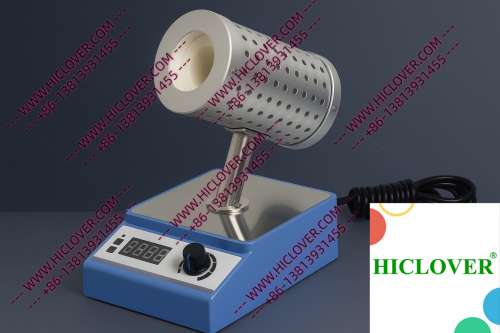
The Micro Incinerator employs advanced infrared heat technology, providing rapid thermal sterilization without the complications associated with traditional flame sterilisers. It utilizes an enclosed ceramic heating chamber that delivers high temperatures to ensure effective disinfection of inoculating loops and related equipment.
Unlike Bunsen burners or alcohol lamps, which can produce harmful aerosols and are not well-suited for use in clean rooms, the Micro Incinerator offers an aerosol-free handling experience. It allows for a clean and secure working environment, fundamental in settings like Biosafety Level 2 (BSL-2) and BSL-3 microbiology labs where infection control is paramount.
Application Scenarios in Real Labs
Field Testing and Mobile Labs
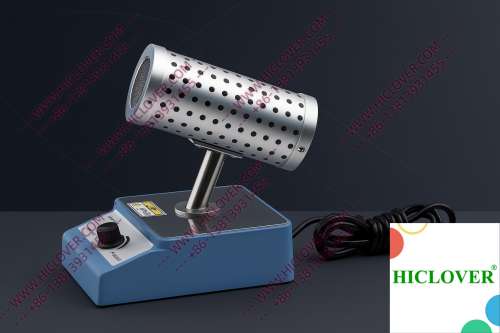
In remote areas of Nepal where traditional laboratory facilities may not be immediately available, mobile testing labs are crucial for disease control efforts. The Micro Incinerator’s lightweight design and portability make it an ideal tool for field testing. Health officials can easily sterilize their inoculating loops on-site, providing reliable test results while minimizing contamination risk.
University Teaching Labs
Educational institutions require effective sterilization equipment to prepare students for real-world laboratory scenarios. Incorporating the Micro Incinerator in university teaching labs enhances safety and demonstrates modern techniques in microbiology. Students can observe safe practices, understanding the importance of contamination control without the risks associated with flame-based devices.
Compliance and Environmental Considerations
Global health organizations like the World Health Organization (WHO) emphasize the need for strict adherence to biosafety standards in laboratory settings. The Micro Incinerator aligns with these guidelines, ensuring that labs maintain the highest levels of cleanliness and safety. With the absence of flames, it’s perfectly suited for clean-bench-safe operations, minimizing the risk of chemical incidents or contamination.
Moreover, the environmental impact of sterilization processes is increasingly important. Traditional flame sterilisers, while effective, can produce emissions harmful to the environment and increase local air pollution. Switching to infrared sterilizers supports efforts to reduce ecological footprints while meeting laboratory sterilization standards.
Micro Incinerator vs. Traditional Flame Sterilisers
| Feature | Micro Incinerator | Traditional Flame Sterliser |
|---|---|---|
| Heating Mechanism | Infrared heat | Open flame |
| Contamination Risk | Aerosol-free handling | Higher risk of aerosol contamination |
| Portability | Lightweight and compact | Bulky and less convenient |
| Compliance | Meets WHO standards | Potential regulatory challenges |
| Environmental Impact | Lower emissions | Higher emissions |
FAQs
What is the Micro Incinerator used for?
The Micro Incinerator is used for sterilizing inoculating loops and related instruments, offering a safe and efficient method of contamination control in laboratory settings.
How does the Micro Incinerator enhance laboratory safety?
This device utilizes infrared heat to sterilize tools without producing harmful aerosols, making it a clean and safe option for use in sensitive environments.
Is the Micro Incinerator portable?
Yes, one of the key advantages of the Micro Incinerator is its lightweight and compact design, enabling its use in both permanent laboratories and field testing scenarios.
How does it comply with WHO standards?
The Micro Incinerator adheres to international biosafety regulations set forth by the WHO, ensuring that it maintains strict cleanliness and safety standards.
Why should labs switch from flame-based sterilisers to infrared?
Transitioning to infrared sterilizers reduces contamination risks, lowers environmental impact, and aligns operational practices with modern laboratory safety standards.
Conclusion
As Nepal’s health sector embraces modern technologies, the adoption of the Micro Incinerator / Infrared Inoculating Loop Sterilizer is essential for meeting global laboratory standards. With its innovative features that exceed those of traditional flame sterilisers, it offers a promising solution to contamination control in various environments, from educational institutions to field testing labs.
For more information on how the Micro Incinerator can elevate your laboratory’s sterilization practices, contact us now! By choosing this cutting-edge technology, you’ll not only enhance safety and compliance but also contribute to better health outcomes in Nepal.
Categories:
Tags: