
In the bustling labs of Melbourne, the challenge of maintaining biosafety often meets the rigorous demands of laboratory sterilization workflows. With hospitals and research centers implementing heightened infection control measures in the wake of global health challenges, the need for efficient and effective sterilization equipment has never been more pronounced. In particular, the Micro Incinerator / Infrared Inoculating Loop Sterilizer, a breakthrough in rapid thermal sterilization technology, offers a promising solution for enhancing safety while reducing costs.
The Technical Principle Behind Infrared Inoculating Loop Sterilizers
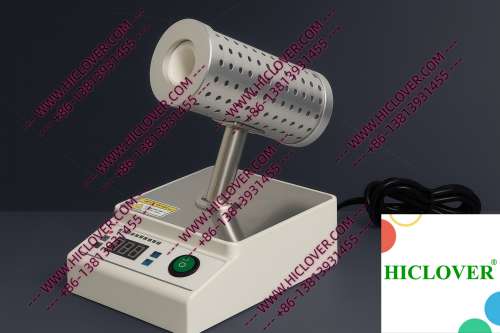
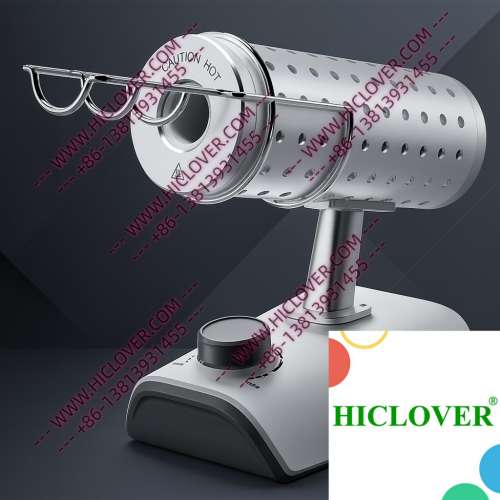
The Micro Incinerator operates on the principles of infrared heat and precise isolation, utilizing an enclosed ceramic heating chamber to achieve rapid thermal sterilization. This system eliminates the need for open flames, dramatically decreasing the risk of cross-contamination in clean environments. Utilizing infrared technology, the sterilizer achieves high temperatures quickly, ensuring effective disinfection of inoculating loops, needles, and other small sterilizable items within seconds.
Application Scenarios in Real Labs
1. Biosafety Cabinets: Laboratories designated as BSL-2 or BSL-3 often feature biosafety cabinets designed to limit exposure to environmental contaminants. The Micro Incinerator’s compact size and efficient operation are perfect for these settings. Users can sterilize loops without leaving their sterile workspace, thereby enhancing contamination control measures and promoting optimal workflows.
2. University Teaching Labs: In academic environments where students learn laboratory techniques, the Micro Incinerator offers a safe, highly effective tool for sterilization. Its user-friendly design encourages proper biosafety practices while eliminating the risks associated with traditional flame sterilizers. Students can focus on their experiments rather than contend with the dangers posed by flame hazards.
Advantages Over Traditional Flame Sterilizers
The Micro Incinerator has distinct advantages compared to conventional flame sterilizers such as alcohol lamps and Bunsen burners. Here’s a quick comparison:
| Features | Micro Incinerator | Flame Burners |
|---|---|---|
| Operational Safety | Flame-free operation minimizes risk | Open flames pose fire hazards |
| Efficiency | Rapid heat-up time, sterilizes in seconds | Longer heat-up times, less efficient |
| Cleanliness | Aerosol-free handling keeps areas sterile | May produce hazardous aerosols |
| Environmental Compliance | Adheres to clean room protocols | Flammable materials can compromise cleanliness |
Compliance and Environmental Considerations
Adhering to biosafety regulations is not just a matter of compliance but a commitment to maintaining high standards in laboratory operations. The WHO recommends stringent biosafety measures, particularly in laboratories dealing with infectious agents. The Micro Incinerator, with its flame-free feature, ensures compliance with clean room standards crucial in sensitive environments such as hospitals and research centers.
Furthermore, employing infrared incendio loop sterilizers aligns with lab sterilization standards such as the ISO 15883, which outlines guidelines for the sterilization and disinfection of laboratory equipment. By integrating this advanced technology, Melbourne hospitals can effectively manage infection control measures, reducing their overall sterilization costs while increasing operational safety.
FAQs
- What is a Micro Incinerator? A Micro Incinerator is an advanced sterilization device that utilizes infrared heat for rapid loop sterilization without an open flame.
- Why choose infrared sterilizers over flame sterilizers? Infrared sterilizers are safer, more efficient, and reduce the risk of contamination compared to traditional flame methods.
- Can the Micro Incinerator be used in BSL-2 labs? Yes, it is ideal for BSL-2 and BSL-3 environments, maintaining biosafety while ensuring effective sterilization.
- How does it operate? The Micro Incinerator uses electrical infrared heating to sterilize inoculating loops and tools, making it quick and effective.
- What are the maintenance requirements? Regular cleaning of the ceramic tube and ensuring the electrical components are functioning well are essential for longevity and performance.
Conclusion
As hospitals and laboratories in Melbourne continue their efforts to enhance biosafety protocols, the innovations brought about by the Micro Incinerator / Infrared Inoculating Loop Sterilizer are paving the way for a safer, more efficient future in laboratory operations. With its rapid sterilization capabilities, enhanced user safety, and compliance with global standards, this device not only addresses the current economic challenge of infection control costs but also sets a new benchmark in laboratory sterilization practices.
For those looking to elevate their laboratory’s compliance and efficiency, investing in a Micro Incinerator is a forward-thinking choice. Contact us today to learn more about how our sterilization solutions can benefit your institution.
Categories:
Tags: