
In the fast-evolving world of laboratory research, maintaining a high level of biosafety is paramount. This is especially true for those operating in BSL-2 and BSL-3 microbiology labs, where contamination control is critical to ensuring reliable results and protecting personnel. Traditional flame sterilizers like alcohol lamps and Bunsen burners have been the go-to tools for sterilization tasks. However, they come with a set of limitations, including open flames, risk of aerosol production, and inefficient thermal control. As such, Melbourne’s laboratories are increasingly turning to innovative solutions such as the Micro Incinerator / Infrared Inoculating Loop Sterilizer for effective waste management and laboratory sterilization.
Challenges in Laboratory Biosafety and Sterilization Workflows
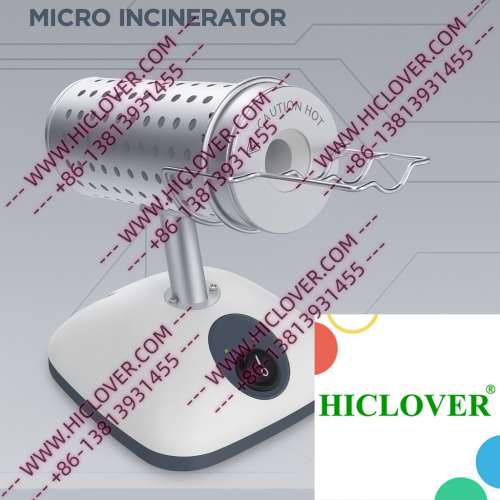
Laboratories face significant biosafety challenges that can jeopardize both research outcomes and laboratory personnel health. Some of these challenges include:
- Risk of aerosol contamination from traditional flame sterilizers.
- Inefficiency in sterilization time and temperature control.
- Regulatory compliance with international biosafety standards.
With the increasing need for efficient and safe sterilization methods, the Micro Incinerator presents an ideal solution for modern laboratory workflows, offering quick and reliable features that outperform traditional methods.
Technical Principles Behind the Micro Incinerator
The Micro Incinerator utilizes infrared heat technology to achieve rapid thermal sterilization. Central to its design is the enclosed ceramic tube, which heats to a high temperature without producing flames. This confine ensures a clean and controlled environment for sterilization. Here are the core features:
- Infrared High-Temperature Disinfection: The use of infrared allows for quick and effective heating of inoculating loops and tools, reducing sterilization time.
- Aerosol-Free Handling: The absence of open flames minimizes the risk of harmful aerosols that can emerge from traditional flame sterilizers.
- Compact Design: The sleek, lightweight structure enhances portability and usability, especially in mobile or field testing labs.
Application Scenarios in Real Labs
Understanding the practical application of the Micro Incinerator is vital for appreciating its value. Here are two real-world scenarios:
1. Biosafety Cabinet Utilization
In laboratories equipped with biosafety cabinets, the Micro Incinerator serves as an ideal tool for sterilizing instruments without generating contaminants. Researchers can rapidly sterilize inoculating loops while maintaining the integrity of the sterile environment, ensuring that experiments proceed without the risk of cross-contamination.
2. University Teaching Labs
University teaching labs benefit greatly from the features of the Micro Incinerator. Instructors can demonstrate sterilization techniques effectively without the hazards associated with open flames. This not only improves the learning experience but also adheres to safety protocols that universities must enforce to protect students and staff.
Compliance and Environment Considerations
When integrating new sterilization technologies, adherence to international biosafety standards is essential. The Micro Incinerator aligns with WHO biosafety guidelines, making it suitable for environments requiring strict compliance:
- No Flame Requirement: Essential for usage in clean rooms where any open flames could compromise sterile conditions.
- Lab Sterilization Standards: The unit meets global sterilization protocols, providing peace of mind for laboratory managers.
In addition, the implementation of infrared technology reduces overall energy consumption, making the Micro Incinerator a sustainable choice for laboratories looking to minimize their environmental impact.
Comparative Overview: Micro Incinerators vs. Traditional Flame Burners
| Feature | Micro Incinerator | Flame Sterilizers |
|---|---|---|
| Method of Sterilization | Infrared heat | Open flame |
| Risk of Aerosol Production | None | High |
| Time Efficiency | Rapid | Variable |
| Compliance with Clean Room Standards | Yes | No |
Frequently Asked Questions (FAQs)
What is a Micro Incinerator?
A Micro Incinerator is a laboratory sterilizer that utilizes infrared heat to quickly and effectively sterilize inoculating loops and other tools without creating flames.
How does infrared sterilization differ from flame sterilization?
Infrared sterilization uses high temperatures to achieve disinfection without combining combustible materials, thus minimizing the risk of aerosol contamination that comes with flame sterilization.
Is the Micro Incinerator suitable for BSL-2 and BSL-3 labs?
Yes, the Micro Incinerator meets the strict biosafety requirements necessary for BSL-2 and BSL-3 laboratories, ensuring contamination control and compliance safety standards.
Where can the Micro Incinerator be used?
The Micro Incinerator is ideal for usage in biosafety cabinets, mobile laboratories, university teaching labs, and field testing scenarios.
What are the maintenance requirements for a Micro Incinerator?
Maintenance is minimal and primarily involves regular checks of the heating element and ceramic tube. Detailed guidelines will be provided upon purchase.
Conclusion
In summary, Melbourne’s Micro Incinerator represents a significant advancement in laboratory waste management and sterilization. Its high-temperature infrared technology, combined with a focus on safety and compliance, makes it a preferred choice for laboratories across various domains. If you are interested in boosting your lab’s sterilization capabilities, consider investing in a Micro Incinerator today. Enhance your workflow and ensure the utmost safety in your laboratory operations!
Categories:
Tags: