
In Cairo and other urban centers in Egypt, the increasing volume of healthcare waste has raised significant biosafety challenges for laboratories and hospitals. With the rise in public health concerns, the intricacies of maintaining contamination control have become paramount. The sterilization process, often overlooked, plays a pivotal role in safeguarding both laboratory personnel and the environment. In this context, micro incineration technology, particularly the Micro Incinerator/Infrared Inoculating Loop Sterilizer, presents an advanced solution to microbe eradication in medical and laboratory settings.
Understanding Micro Incineration Technology
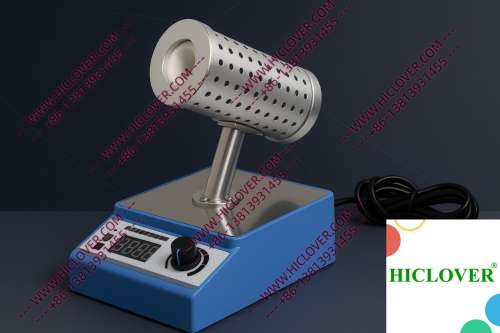
At the heart of the Micro Incinerator is its capability to generate rapid thermal sterilization using infrared heat. This technology utilizes an enclosed ceramic tube, which heats to high temperatures efficiently, effectively eliminating pathogens and sterilizing inoculating loops without open flames. Unlike traditional flame sterilizers, such as alcohol lamps or Bunsen burners, the Micro Incinerator allows for aerosol-free handling, reducing the risk of airborne infection in sterile environments.
Key Features of the Micro Incinerator
- Compact Design: Optimized for space-constricted lab environments.
- Rapid Heating: Heats up within seconds, enabling faster workflow.
- Energy Efficient: Consumes less power while maintaining high sterilization standards.
- Safe Operation: No open flame, making it clean-bench-safe.
- Durable Construction: Designed for extensive use in demanding laboratory conditions.
Application Scenarios in Real Labs
1. University Teaching Labs
In educational institutions across Egypt, such as the University of Cairo, the use of Micro Incinerators in teaching labs streamlines the sterilization process for students learning microbiological techniques. Here, the rapid sterilization capability allows educators to demonstrate sterile techniques without the risks associated with traditional flame methods, enabling a focus on technique rather than equipment management.
2. Biosafety Cabinets
In BSL-2 and BSL-3 labs, where working with pathogenic organisms is common, maintaining a sterile environment is critical. The Micro Incinerator fits seamlessly into biosafety cabinets, providing a compact sterilization solution that ensures compliance with strict biosafety protocols. With its infrared sterilization, it minimizes contamination risk while ensuring that all tools and materials can be decontaminated rapidly and efficiently.
Compliance and Environmental Standards
The World Health Organization (WHO) emphasizes the need for stringent biosafety standards in laboratory environments. The use of Micro Incinerators aligns with these guidelines, ensuring that laboratories meet the necessary sterilization requirements without compromising air quality or safety. Unlike traditional flame sterilizers which can release harmful aerosols and create intense heat, the Micro Incinerator ensures a safer workspace. This is particularly crucial in clean rooms and during sensitive operations involving CO₂ incubators or anaerobic chambers, where any disturbance could impact the results.
Comparison: Micro Incinerator vs. Traditional Flame Burners
| Feature | Micro Incinerator | Flame Burners |
|---|---|---|
| Heat Source | Infrared Heat | Open Flame |
| Safety | No open flames, safe for clean rooms | Risk of fire hazards |
| Heating Speed | Rapid heating (<30 seconds) | Longer heating time |
| Energy Efficiency | Higher efficiency | Variable efficiency |
| Contamination Control | Aerosol-free | Potential aerosol release |
Frequently Asked Questions
What is the primary benefit of using a Micro Incinerator over a traditional flame sterilizer?
The primary benefit lies in its safety and efficiency. The Micro Incinerator offers aerosol-free handling, reduces the risk of contamination, and facilitates rapid sterilization without the hazards associated with open flames.
How does the Micro Incinerator meet WHO biosafety standards?
The Micro Incinerator utilizes infrared technology to achieve effective sterilization while maintaining air quality and safety standards outlined by the WHO, making it an ideal choice for compliance in sensitive laboratory environments.
Can the Micro Incinerator be used in field testing labs?
Yes, its compact design and robust construction make it suitable for mobile or field testing labs, providing reliable sterilization wherever it’s needed.
Is training required to operate the Micro Incinerator?
While basic training on sterilization procedures is recommended, the device’s user-friendly interface makes it accessible for lab personnel with varying levels of expertise.
What maintenance is required for the Micro Incinerator?
Regular cleaning and periodic technical inspections are advised to ensure optimal performance, along with adherence to manufacturer guidelines.
Conclusion
The advancements in laboratory sterilization epitomized by the Micro Incinerator signal a new era for Egypt’s healthcare waste management and biosafety practices. Its ability to provide fast, efficient, and safe sterilization plays a crucial role in enhancing laboratory workflows, preventing contamination, and complying with international safety standards. If you are involved in laboratory supply distribution or work within hospitals, universities, or research centers, exploring the integration of Micro Incineration technology into your operations could be transformative. For further inquiries or to make a purchase, please do not hesitate to contact us.
Categories:
Tags: