
In the realm of laboratory biosafety, the challenges surrounding sterilization workflows are paramount. With the continuous increase in urbanization in Ghana, the resulting surge of biomedical waste poses significant contamination risks. Laboratories, hospitals, and research centers in urban centers like Accra and Kumasi require robust sterilization solutions to manage waste safely and effectively. This is where micro incineration technology comes into play, particularly the Micro Incinerator / Infrared Inoculating Loop Sterilizer, revolutionizing the urban waste management landscape.
Understanding the Technical Principles of Micro Incineration
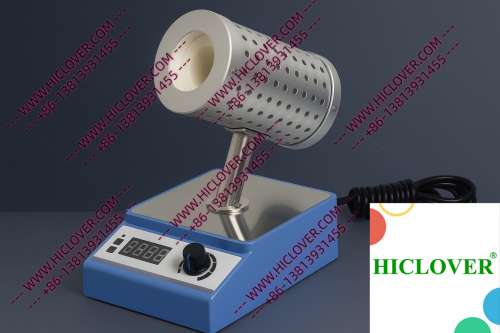
The Micro Incinerator operates on the principle of infrared heat, utilizing an enclosed ceramic tube that reaches high temperatures very rapidly. This innovative design allows for the environment-friendly sterilization of laboratory tools and instruments. Unlike traditional flame-based sterilizers, which run the risk of generating aerosols and require constant flame monitoring, micro incineration provides a clean, flame-free sterilization process, reducing contamination risk during handling.
At the core of the Micro Incinerator’s operation is a high-temperature disinfection mechanism that effectively inactivates bacteria, viruses, and fungi. The infrared radiation emitted from the specially designed ceramic heating chamber penetrates the items to be sterilized uniformly, ensuring thorough disinfection without damaging sensitive instruments. This rapid thermal sterilization method is ideal for stopping the spread of pathogens in biosafety level (BSL)-2 and BSL-3 environments, where precision is key.
Applications in Laboratory Settings
There are numerous applications for the Micro Incinerator in various laboratory environments:
- Biosafety Cabinets: Utilized in high-containment labs, the Micro Incinerator effectively sterilizes inoculating loops and tools, maintaining a clean environment free from contaminants.
- Field Testing Labs: In urban mobile labs, especially in public health emergencies or research expeditions, the portability and efficiency of the Micro Incinerator allow for safe waste disposal on-site, reducing risks associated with transport.
- University Teaching Labs: Educational institutions can incorporate this technology into their curricula, showcasing modern sterilization practices while teaching students about the importance of biosafety and contamination control.
Compliance with Sterilization Standards
As waste management and laboratory practices evolve, compliance with international biosafety standards becomes crucial. The World Health Organization (WHO) outlines specific biosafety guidelines that laboratories must adhere to. The Micro Incinerator aligns with these standards by offering a safe and efficient alternative to traditional sterilizers. The absence of an open flame makes it suitable for cleanrooms where flame hazards are a concern, thus ensuring that sterilization practices conform to the stringent requirements set forth for laboratory operations.
Moreover, the Micro Incinerator addresses concerns of aerosol generation, making it suitable for educational and professional settings where safety protocols are paramount. Compared to traditional flame sterilizers, the Micro Incinerator boasts several advantages:
| Feature | Micro Incinerator | Flame Burners |
|---|---|---|
| Aerosol Generation | No | Yes |
| Temperature Control | Precise | Variable |
| Ease of Use | High | Moderate |
| Safety | Flame-free | Flame-dependent |
| Portability | High | Low |
Addressing Market Needs in Ghana
With urban centers in Ghana grappling with increased waste management issues, the Micro Incinerator presents an effective solution. As institutions seek to enhance their sterilization workflows, investing in advanced equipment not only aligns with biosafety compliance but also fosters a culture of accountability in handling potentially hazardous biological waste.
Frequently Asked Questions (FAQs)
- What makes the Micro Incinerator different from standard sterilizers?
The Micro Incinerator uses infrared technology, providing rapid thermal sterilization without the need for an open flame, thus reducing contamination risks and ensuring a cleaner sterilization process.
- How does micro incineration comply with WHO biosafety standards?
This technology minimizes aerosol generation and eliminates flame hazards, aligning with WHO guidelines for safe laboratory practices.
- Can the Micro Incinerator be used in field testing labs?
Yes, its portable design makes it suitable for mobile labs, allowing for efficient sterilization and waste management while conducting field tests.
- Is the Micro Incinerator suitable for university teaching labs?
Absolutely, it provides a modern, practical approach to teaching students about effective biosafety and contamination control techniques.
- What are the safety features of the Micro Incinerator?
The absence of flame and its precise temperature control enhance safety, making it ideal for sensitive laboratory environments.
Conclusion
As Ghana continues to evolve its urban waste management strategies, adopting innovative technologies like the Micro Incinerator / Infrared Inoculating Loop Sterilizer can significantly improve laboratory practices across various sectors. Investing in such advanced sterilization equipment not only ensures compliance with international biosafety standards but also enhances workflow efficiency in laboratories. Contact us today to learn more about how the Micro Incinerator can benefit your institution or facility! Explore how this game-changing solution can address your sterilization needs effectively.
Categories:
Tags: