
In today’s fast-paced pharmaceutical environment, laboratory biosafety challenges are paramount. As researchers and laboratory professionals strive to maintain stringent sterilization workflows, innovations in sterilization equipment are critical. One such advancement is the Micro Incinerator or Infrared Inoculating Loop Sterilizer, a compact and effective solution designed to enhance safety and efficiency in labs.
Technical Principles of Micro Incineration Technology
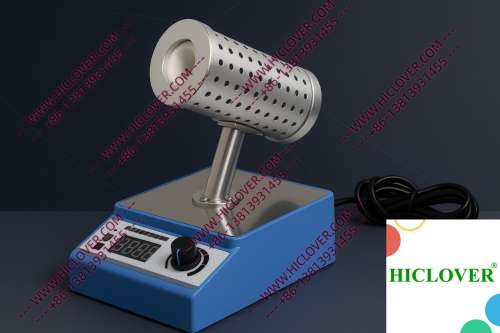
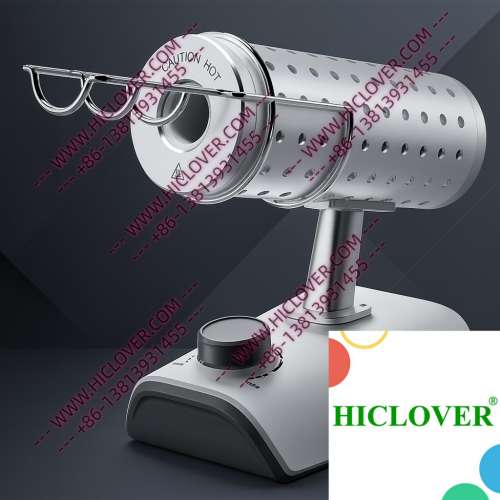
The Micro Incinerator operates on the principle of rapid thermal sterilization, utilizing an enclosed ceramic heating chamber that generates high temperatures through infrared heat. This technology allows for uniform heating, effectively vaporizing contaminants on inoculating loops, needles, and other lab instruments without the risk of flames that traditional methods pose. The infrared heating mechanism offers distinct advantages over conventional alcohol lamps and Bunsen burners, notably in terms of contamination control and safety, particularly in clean environments.
Product Configuration and Features
- Compact and Portable Design: Easy to integrate into various lab settings.
- Rapid Heating: Achieves sterilization within seconds, improving workflow efficiency.
- Aerosol-Free Handling: Eliminates the risk of airborne contaminants.
- Energy Efficient: Consumes less power compared to flame-based alternatives.
- Durable Ceramic Elements: Ensure longevity and resistance to wear and tear.
Application Scenarios of Micro Incinerators
Micro Incinerators are increasingly finding their applications in various lab environments, such as:
1. Biosafety Cabinet Sterilization
In BSL-2 and BSL-3 microbiology labs, the Micro Incinerator plays a vital role in ensuring a contamination-free atmosphere. Laboratory technicians can sterilize loops and instruments quickly without compromising the integrity of the biosafety cabinet, thus maintaining optimal containment levels while enhancing lab efficiency.
2. Teaching Laboratories
University teaching labs frequently require safe and effective methods of sterilization for instructional purposes. The Micro Incinerator provides students hands-on experience with modern sterilization technology, emphasizing safety practices by removing flame hazards. This not only enriches the educational experience but also instills the importance of biosafety protocols in future scientists.
Compliance and Environmental Considerations
As laboratory standards evolve, adherence to compliance regulations is crucial. The World Health Organization (WHO) outlines stringent biosafety standards related to sterilization practices. In clean rooms, where the introduction of flame can lead to contamination, the Micro Incinerator stands out with its aerosol-free operation. The quiet, efficient performance of this equipment ensures that strict regulatory standards are met without endangering laboratory personnel or the research environment. By employing efficient sterilization methods, labs can decrease their environmental footprint.
Comparison Table: Micro Incinerator vs. Flame Burners
| Feature | Micro Incinerator | Flame Burners |
|---|---|---|
| Heating Method | Infrared | Open Flame |
| Contamination Risk | Low | High |
| Energy Efficiency | High | Varies |
| Safety | Safe (aerosol-free) | Risky (combustible hazards) |
| Operational Speed | Instant | Depends on flame stabilization |
FAQs about Micro Incineration Technology
1. What types of labs benefit from using a Micro Incinerator?
Micro Incinerators are ideal for BSL-2 and BSL-3 microbiology labs, clinical diagnostics, university teaching labs, and mobile or field testing laboratories.
2. How does the Micro Incinerator ensure safety in the laboratory?
This sterilizer operates without an open flame, significantly reducing the risk of fires and aerosol contamination, which are critical in clean environments.
3. Can I use the Micro Incinerator in a biosafety cabinet?
Yes, the compact design and efficient sterilization capabilities make it suitable for use in biosafety cabinets, where maintaining a contamination-free environment is essential.
4. How long does it take to sterilize an instrument?
The Micro Incinerator can achieve sterilization in mere seconds, enhancing laboratory workflow and efficiency.
5. What are the maintenance requirements for a Micro Incinerator?
Routine inspection and cleaning of the ceramic chamber are recommended to ensure optimal performance, along with occasional checks of electrical components.
Conclusion
In conclusion, the Micro Incinerator / Infrared Inoculating Loop Sterilizer is an invaluable asset for modern laboratories striving for safety and efficiency. By reducing contamination risks and adhering to strict compliance standards, it revolutionizes the way lab professionals approach sterilization. For those seeking to enhance their laboratory practices, consider investing in this innovative sterilization technology. For inquiries or purchases, feel free to contact us today!
Categories:
Tags: