
As global health challenges continue to expand, the need for efficient laboratory sterilization solutions becomes paramount. Laboratories face pressing biosafety challenges, particularly when it comes to decontaminating equipment and workspaces. The need for rapid thermal sterilization methods without the risk of flames or aerosols is becoming increasingly relevant, especially in sensitive environments such as BSL-2 and BSL-3 microbiology labs, hospital settings, and educational institutions.
Understanding the Micro Incinerator
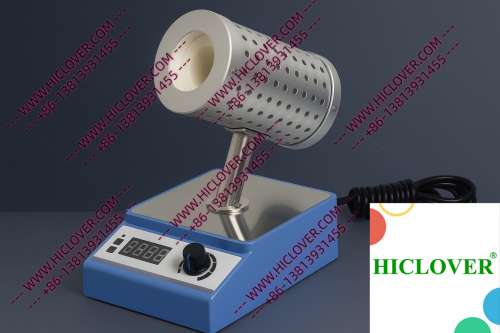
The Micro Incinerator, also known as the Infrared Inoculating Loop Sterilizer, is designed to meet contemporary sterilization demands efficiently. This compact and portable device operates using infrared heating technology, which provides a safe and reliable means to achieve high-temperature disinfection.
At the heart of the Micro Incinerator is an enclosed ceramic heating chamber, which eliminates contamination risks associated with traditional sterilization methods. Unlike alcohol lamps or Bunsen burners, which produce flames, the Micro Incinerator’s infrared system enables users to sterilize inoculating loops, needles, and other small instruments rapidly and effectively. The infrared heat ensures that instruments reach the sterilization temperature almost instantly, minimizing the exposure time and enhancing workflow efficiency.
Applications in Real Labs
1. Biosafety Cabinet Operations
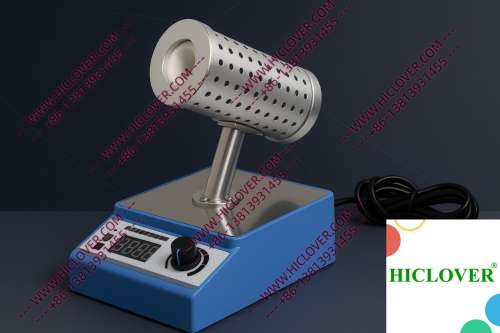
Within biosafety cabinets, maintaining a sterile workspace is critical for preventing contamination. The Micro Incinerator serves as an ideal sterilization tool, allowing researchers to quickly sterilize tools between uses without introducing flames that might compromise airflow or create hazardous fumes. Its compact size fits seamlessly in any biosafety cabinet setup, providing a clean-bench-safe method for immediate sterilization.
2. Field Testing in Rural Areas
Field testing poses unique challenges where laboratory infrastructure might be limited. In rural settings requiring microbial testing or clinical diagnostics, the portability of the Micro Incinerator becomes invaluable. Researchers and healthcare workers can transport the unit easily, ensuring that sterilization procedures remain effective even in mobile labs or when working in challenging environments. This functionality supports remote and underserved communities in maintaining safe sample handling.
Compliance with Standards and Environmental Considerations
Adherence to biosafety standards established by organizations such as the World Health Organization (WHO) is essential in laboratory settings. These guidelines stress the importance of effective sterilization while offering a safe working environment. The Micro Incinerator aligns with standard sterilization protocols by providing a method that minimizes aerosol generation and eliminates the need for open flames, thus making it suitable for cleanroom applications.
Moreover, laboratories must also comply with local and international lab sterilization standards. The Micro Incinerator’s design allows for rapid thermal sterilization, which contributes to significantly enhanced contamination control while safeguarding personnel, especially in sensitive labs where contamination could lead to erroneous results or hazardous environments.
Benefits Over Traditional Flame Sterilizers
The advantages of choosing the Micro Incinerator over traditional flame sterilizers, such as Bunsen burners or alcohol lamps, are numerous:
- Rapid Sterilization: Achieves sterilization almost instantly with infrared heat.
- Aerosol-Free Handling: Reduces the risk of creating airborne contaminants.
- Cleanroom Compatibility: Ideal for use in clean environments where flames are prohibited.
- Waste Reduction: Requires no flammable materials, unlike alcohol lamps.
FAQs
What types of instruments can the Micro Incinerator sterilize?
The Micro Incinerator is designed to sterilize a variety of laboratory instruments, including inoculating loops, needles, and small metal instruments commonly used in microbiology.
How does the infrared heating technology work?
The Micro Incinerator uses infrared heat to rapidly raise the temperature of objects placed inside its ceramic chamber, thereby achieving effective sterilization without the risks associated with open flames.
Is the Micro Incinerator safe for use in teaching labs?
Yes, the Micro Incinerator is an excellent choice for teaching labs as it eliminates the dangers of flames and reduces contamination risks, making it safer for students and educators alike.
Can the Micro Incinerator be used in field testing scenarios?
Absolutely! Its compact design and portability make it suitable for field testing in rural or remote areas where access to traditional laboratory equipment may be limited.
What are the maintenance requirements for the Micro Incinerator?
The Micro Incinerator requires minimal maintenance. Regular cleaning of the ceramic chamber is recommended to maintain optimal performance and longevity.
Conclusion
The Micro Incinerator is a game-changing solution for laboratory sterilization, addressing both the growing needs for biosafety compliance and efficient workflow demands. With its unique advantages over traditional flame sterilizers, this innovative device supports scientists, clinicians, educators, and researchers in maintaining effective sterilization protocols across varied applications—from hospitals to remote field labs.
Interested in incorporating the Micro Incinerator into your laboratory practices? Contact us today to learn more about how this compact sterilization solution can help overcome global health challenges.
Categories:
Tags: