
As the global urgency for effective laboratory biosafety solutions intensifies, Beijing’s laboratories are at the forefront of adopting innovative sterilization technologies. The challenges of managing laboratory waste, along with necessary compliance with stringent sterilization protocols, place immense pressure on researchers and lab technicians. Traditional methods, including alcohol lamps and Bunsen burners, are proving inadequate for the rapidly evolving workflows of modern laboratories. This is where Micro Incinerator Technology shines, offering an advanced solution for laboratory sterilization equipment that enhances both safety and efficiency.
Understanding Micro Incinerator Technology
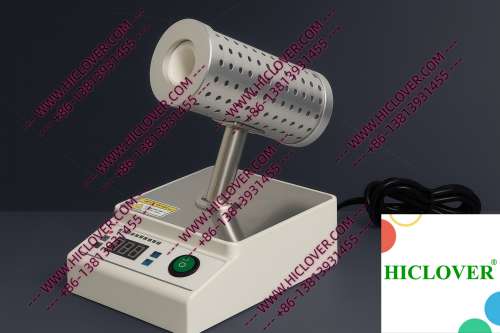
The Micro Incinerator, specifically the Infrared Inoculating Loop Sterilizer, utilizes a cutting-edge approach to rapid thermal sterilization. At the heart of its technology is a ceramic heating chamber that generates infrared heat, ensuring an efficient and effective termination of pathogens without the risks associated with open flames. Unlike traditional flame sterilizers, which can pose contamination risks and require constant monitoring, the Micro Incinerator allows for clean-bench-safe, aerosol-free handling of inoculating loops and other instruments.
Technical Principles and Configuration
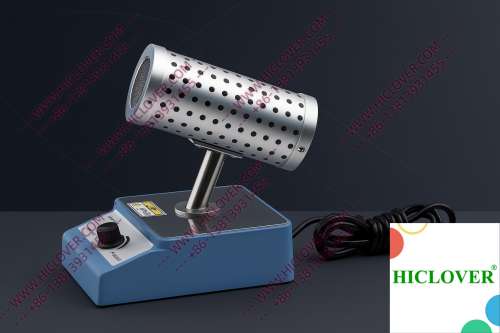
The Infrared Inoculating Loop Sterilizer employs a precise configuration that includes an enclosed ceramic tube surrounded by reflective materials to optimize energy efficiency. The device reaches temperatures of up to 800°C in seconds, facilitating immediate sterilization of instruments. This rapid heat transfer ensures that all microbial entities are effectively eliminated, making it ideal for sensitive environments such as BSL-2 or BSL-3 microbiology labs. This compact and portable design allows laboratories to integrate the sterilizer seamlessly into their workflow without sacrificing bench space.
Application Scenarios in Real Labs
1. Biosafety Cabinets
In environments such as biosafety cabinets, where maintaining sterile conditions is paramount, the Micro Incinerator stands out as an exemplary tool. It enables technicians to sterilize inoculating loops quickly between streaks, minimizing waiting times and maintaining a high throughput. The closed nature of the device prevents any escape of contaminants, making it an appropriate choice for labs focusing on clinical diagnostics, virology, and microbiology.
2. Teaching Labs
In university teaching labs, where students are learning the essential skills of microbial techniques, the use of safe sterilization equipment is crucial. The Micro Incinerator facilitates hands-on learning while ensuring a level of safety and efficiency not available with traditional flame methods. Instructors can confidently guide students through complex procedures, knowing that the risk of unintentional burns or contamination is significantly reduced.
Compliance and Environmental Considerations
Compliance with WHO biosafety protocols and laboratory sterilization standards is non-negotiable. The Micro Incinerator meets stringent requirements by eliminating the risks associated with flame usage in clean rooms and other sensitive environments. Unlike traditional systems, which foster potential fire hazards, the Micro Incinerator operates without an open flame, making it an ideal solution for CO₂ incubator or anaerobic chamber operations. As legislation around lab safety evolves, investing in compliant technology is critical for future-proofing laboratories.
Comparison: Micro Incinerator vs. Traditional Flame Sterilizers
| Feature | Micro Incinerator | Traditional Flame Sterilizers |
|---|---|---|
| Safety | No open flame; minimizes burn risk | Open flame; potential fire hazards |
| Efficiency | Rapid heating (seconds) | Slower heating; requires constant monitoring |
| Contamination Control | Aerosol-free handling | Higher risk of contamination |
| Size | Compact and portable | Bulky equipment |
Frequently Asked Questions
What are the advantages of using a Micro Incinerator over traditional methods?
The Micro Incinerator offers enhanced safety, rapid sterilization, and minimal contamination risks, making it more suitable for modern laboratory needs.
Is the Micro Incinerator compliant with WHO biosafety standards?
Yes, it meets stringent biosafety guidelines and is particularly effective in clean rooms and sensitive research environments.
Can the Micro Incinerator be used in field testing labs?
Absolutely! Its portability makes it an ideal choice for field testing, where efficient and safe sterilization is critical.
How does the efficiency of the Micro Incinerator impact laboratory workflows?
Its rapid thermal sterilization process reduces downtime, allowing technicians to streamline their workflows and increase productivity.
What types of laboratories benefit most from this technology?
Microbiology labs, clinical diagnostics labs, university teaching labs, and mobile testing facilities can all significantly benefit from this innovative sterilization technology.
Conclusion
The introduction of Micro Incinerator Technology marks a significant advancement in laboratory waste management and sterilization procedures in Beijing and beyond. This innovative solution not only elevates safety standards but also addresses the growing demands of modern laboratory workflows. By choosing the Micro Incinerator, labs can ensure compliance, enhance their operational efficiency, and maintain the highest biosafety practices. For more information or to discuss your needs regarding laboratory sterilization equipment, feel free to reach out to us. Investing in safe and efficient sterilization technology is not just a choice; it’s a necessity for the future of laboratory research.
Categories:
Tags: