
In the rapidly evolving landscape of laboratory biosafety, finding efficient and reliable sterilization methods is crucial. Laboratories, especially those dealing with infectious materials or sensitive biological agents, face significant challenges in ensuring contamination control. Traditional sterilization methods, such as alcohol lamps or Bunsen burners, while effective, often pose risks and limitations which can affect workflow and safety protocols. This is where micro incinerators come into play, providing a compact and efficient means of sterilization.
Understanding the Technical Principles of Micro Incinerators
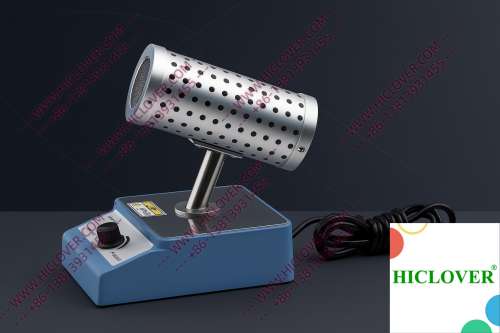
Micro incinerators, specifically infrared inoculating loop sterilizers, are designed to provide rapid thermal sterilization through advanced infrared heating technology. The primary component of these devices is the enclosed ceramic tube that houses a heating element. When the device is activated, infrared radiation is emitted from the heating element, rapidly raising the temperature of the inoculating loop or tool placed within the ceramic tube. This ensures that any microbiological contaminants are effectively eliminated.
Compared to traditional flame sterilizers, micro incinerators offer several advantages, such as precise temperature control, no open flame, and reduced risk of cross-contamination. These features make them particularly well-suited for applications in cleanrooms, biosafety cabinets, and laboratories requiring high standards of sterilization.
Applications of Micro Incinerators in Laboratory Environments
1. Biosafety Cabinet Operations
In BSL-2 and BSL-3 microbiology labs, maintaining a sterile environment is paramount. Micro incinerators can be integrated into biosafety cabinets to facilitate safe and efficient inoculation loop sterilization. The aerosol-free handling of tools minimizes risks of airborne contaminants, ensuring that specially designed biosafety protocols are adhered to.
2. Field Testing Scenarios
Researchers conducting field tests often face unique challenges due to the variability of environments. A portable micro incinerator can serve as an ideal sterilization tool when working with samples in remote locations, allowing for quick and effective sterilization of tools without the need for traditional flame sources, which can be impractical in many field testing scenarios.
Compliance with Biosafety Standards and Environmental Considerations
Adhering to biosafety guidelines is a vital aspect of laboratory operations. The World Health Organization (WHO) outlines stringent standards for lab sterilization practices, emphasizing the need for devices that can prevent contamination efficiently while maintaining safety. With no open flame, micro incinerators allow for safe use in clean rooms and minimize the production of aerosolized particles during sterilization. This compliance not only protects laboratory personnel but also upholds the integrity of the research being conducted.
- WHO biosafety guidelines require advanced sterilization methods.
- Micro incinerators avoid flame hazards in cleanroom environments.
- ISO standards for laboratory sterilization emphasize the use of safe and effective devices.
Advantages Over Traditional Flame Sterilizers
When compared to traditional flame burners, micro incinerators exhibit several distinct advantages:
| Feature | Micro Incinerator | Flame Sterilizers |
|---|---|---|
| Temperature Control | Precise infrared temperature control | Variable, dependent on flame size |
| Risk of Contamination | Minimal risk due to no open flame | High risk of cross-contamination |
| Operational Safety | Clean-bench-safe design | Potential fire hazards |
| Environmental Impact | No emissions from combustion | Emissions from burning fuels |
Frequently Asked Questions
1. What is a micro incinerator?
A micro incinerator is a compact sterilization device that utilizes infrared heat to rapidly sterilize inoculating tools and laboratory equipment. It is designed for safe and efficient use in controlled environments.
2. Can micro incinerators be used in field settings?
Yes, micro incinerators are portable and can be effectively used in field testing scenarios where traditional flame sterilizers may not be practical.
3. How does a micro incinerator ensure compliance with biosafety standards?
Micro incinerators eliminate the risks associated with open flames and aerosol generation, complying with WHO and ISO guidelines for laboratory sterilization.
4. Are micro incinerators more economical than traditional methods?
While the initial investment might be higher, the long-term savings in sterilization efficiency and reduced contamination risks make micro incinerators a cost-effective choice for laboratories.
5. Where can I purchase a micro incinerator?
You can acquire micro incinerators from laboratory supply distributors or directly from manufacturers specializing in sterilization equipment.
Conclusion
Micro incinerators represent a significant advancement in laboratory sterilization technology. Their compact design, compliance with stringent biosafety standards, and rapid, effective sterilization capabilities make them an invaluable tool for laboratories, hospitals, and educational institutions. If you’re looking to enhance your laboratory’s sterilization processes and improve workflow safety, consider investing in a high-quality micro incinerator today. For inquiries or purchases, please contact us to learn more about our available products.
Categories:
Tags: