
In today’s fast-paced scientific environment, biosafety challenges and sterilization workflow demands are becoming increasingly complex. Laboratories across various disciplines, from microbiology to clinical diagnostics, face an ever-present need for effective contamination control. The introduction of advanced sterilization equipment, such as the Micro Incinerator (or Infrared Inoculating Loop Sterilizer), revolutionizes how lab professionals maintain sterile environments and manage their workflows efficiently.
The Need for Efficient Laboratory Sterilization Equipment
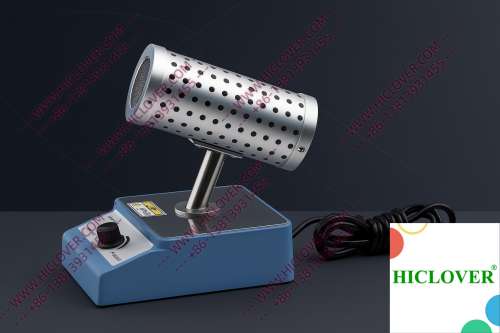
Laboratories, particularly those operating at BSL-2 and BSL-3 levels, must adhere to stringent sterilization protocols to prevent contamination. Traditional flame sterilizers like alcohol lamps and Bunsen burners pose several risks, including the generation of aerosolized particles, which can compromise the sterility of the workspace. As a solution, the Micro Incinerator offers a clean and effective alternative for rapid thermal sterilization with a variety of unique features.
Technical Principles Behind the Micro Incinerator
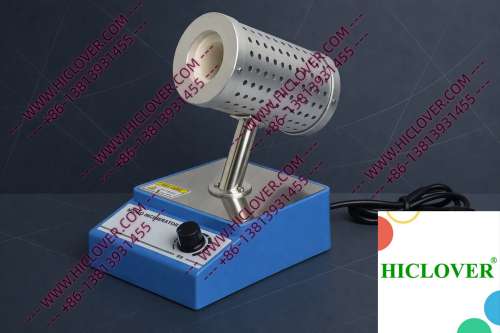
At the core of the Micro Incinerator’s effectiveness is its advanced design featuring an enclosed ceramic heating chamber. This setup utilizes infrared heat to achieve high-temperature disinfection rapidly. Infrared thermodynamics allows the device to reach optimal sterilization temperatures within seconds while minimizing energy consumption.
The enclosed design ensures that operators can handle inoculating loops and other sterilization equipment without exposure to an open flame, making it ideal for use in clean benches, biosafety cabinets, and other sterile environments. Furthermore, the infrared technology guarantees consistent and uniform heating, ensuring complete sterilization of microbiological tools without the risk of cross-contamination.
Real-World Applications of Micro Incinerators
Biosafety Cabinets in Research Labs
One of the most prominent use cases for Micro Incinerators is within biosafety cabinets located in microbiology labs. For example, in a BSL-2 laboratory at a university, researchers frequently handle potentially pathogenic microorganisms. The efficiency and safety of the Micro Incinerator allow them to sterilize inoculation loops quickly without introducing the risks associated with open flames. Using this equipment, they can maintain their focus on crucial experiments instead of worrying about sterilization protocols.
Field Testing in Remote Locations
Micro Incinerators are equally valuable in field testing scenarios, such as mobile laboratory units employed by NGOs for disease surveillance. In regions where access to traditional sterilization methods is limited, the portability and ease of use of the Micro Incinerator can significantly enhance laboratory operations. The compact design can fit into a backpack, providing remote researchers with the tools needed for safe and efficient sample handling and processing.
Compliance Guidelines and Environmental Considerations
The importance of compliance with biosafety guidelines cannot be overstated. Organizations like the World Health Organization (WHO) provide clear directives on maintaining laboratory safety standards, especially in the context of sterilization practices. The Micro Incinerator’s design aligns perfectly with these regulations by offering a flame-free solution suitable for clean room environments.
In addition, the Micro Incinerator minimizes potential environmental impacts associated with traditional chemical sterilization methods. Our commitment to responsible lab practices includes rigorous adherence to standards set forth by local regulatory bodies, ensuring that laboratories remain compliant while effectively managing contamination risks.
Key Advantages Over Traditional Flame Sterilizers
- Safety: Eliminates open flames, reducing the risk of fire hazards.
- Efficiency: Rapid thermal sterilization in seconds compared to the longer heating time of alcohol lamps and Bunsen burners.
- Cleanliness: Aerosol-free handling helps maintain sterile environments.
- Portability: Compact design suitable for various lab settings, including mobile testing facilities.
Frequently Asked Questions
- What types of sterilization can the Micro Incinerator perform?
The Micro Incinerator is designed primarily for sterilizing inoculating loops, but it can also be used for other small laboratory instruments requiring rapid sterilization. - Is the Micro Incinerator suitable for use in clean rooms?
Yes, the flame-free operation makes it an ideal choice for clean rooms and biosafety cabinets. - How does the Micro Incinerator compare to traditional flame sterilizers?
Unlike flame sterilizers, it reduces fire hazards, provides rapid sterilization, and minimizes contamination risks. - What is the operational lifespan of a Micro Incinerator?
With proper maintenance, a Micro Incinerator can offer many years of reliable service. - Where can I purchase a Micro Incinerator?
Many laboratory supply distributors and specialized health equipment suppliers stock the Micro Incinerator. Check with local distributors for availability.
Conclusion
As laboratories continue to evolve in their approaches to biosafety and sterilization, integrating advanced sterilization equipment like the Micro Incinerator into workflows proves essential. By reducing fire hazards and ensuring effective sterilization without compromising air quality, laboratories can focus on research without the constraints of traditional methods. For more information or to place an order for the Micro Incinerator, contact your local laboratory supply distributor today.
Categories:
Tags: