
In the rapidly evolving landscape of laboratory biosafety, consistent sterilization practices are paramount. Professionals working in microbiology labs face the daunting challenges of contamination control and ensuring rapid thermal sterilization of laboratory equipment and materials. This is especially crucial in regions like Bangladesh, where the rural waste management crisis necessitates innovative solutions that align with both efficacy and environmental sustainability.
Understanding the Technical Principles of Micro Incinerators
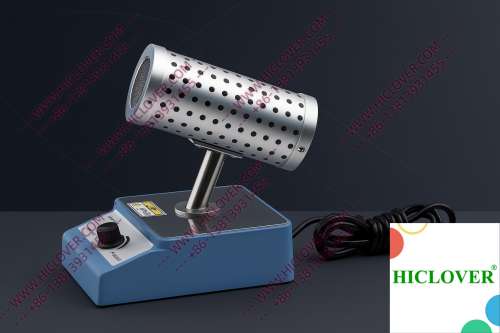
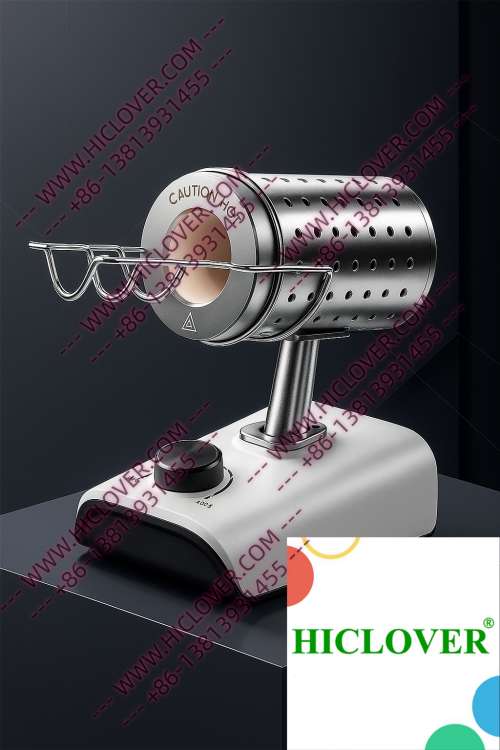
The Micro Incinerator / Infrared Inoculating Loop Sterilizer operates on the principle of infrared high-temperature disinfection. Employing advanced ceramic heating chambers, the device generates rapid heat that sterilizes inoculating loops, needles, and other sensitive laboratory materials without the use of an open flame. This enclosed system minimizes aerosol generation, creating a clean-bench-safe environment ideal for the precise demands of laboratory workflows.
- Rapid Thermal Sterilization: Achieves sterilization in seconds.
- Contamination Control: Reduces the risk of cross-contamination.
- Energy Efficient: Low operational costs with high effectiveness.
- Compact Design: Space-saving configuration for all laboratory environments.
- What is the main advantage of using a Micro Incinerator over traditional sterilization methods?
The primary advantage lies in its rapid sterilization capability and the elimination of open flames, enhancing the safety and cleanliness of laboratory environments.
- Can Micro Incinerators be used in BSL-3 laboratories?
Yes, Micro Incinerators are compliant with the rigorous sterilization standards required for BSL-3 labs, facilitating safe and effective sterilization practices.
- What materials can be sterilized using a Micro Incinerator?
Micro Incinerators can effectively sterilize inoculating loops, needles, and other laboratory tools that require rapid thermal sterilization.
- Are Micro Incinerators portable for field testing applications?
Absolutely. Their compact design makes them well-suited for deployment in remote or mobile laboratories.
- How do Micro Incinerators contribute to environmental sustainability?
By providing an energy-efficient, flame-free sterilization process, Micro Incinerators reduce fuel waste and minimize the environmental impact of laboratory practices.
Applications of Micro Incinerators in Real Laboratories
1. Use Cases in University Teaching Labs
In university teaching labs, especially those offering microbiology courses, Micro Incinerators enhance educational practices by providing students with hands-on experiences in hygiene and safety protocols. Instructors can guide students through safe sterilization processes, emphasizing the transition from traditional methods such as alcohol lamps to advanced infrared systems. For example, a student conducting aseptic techniques can sterilize their inoculating loop swiftly, without the risk of flame injuries or fumes that are common with traditional flame sterilizers.
2. Applications in Field Testing Laboratories
Field testing labs, which often operate in remote areas of Bangladesh, find Micro Incinerators indispensable for maintaining sterility in adverse conditions. When conducting microbial assessments in the field, the portability of these devices enables researchers to sterilize instruments on-site efficiently. This capability is critical in preventing sample contamination during environmental studies, such as water quality assessments, ultimately leading to more reliable results.
Compliance: Meeting Standards for Biosafety
With rising awareness of biosafety risks, compliance with WHO biosafety standards is more important than ever. Traditional sterilization methods, such as Bunsen burners, often fall short in clean-room environments due to their open flames, which are now discouraged in sensitive lab settings. The Micro Incinerator, designed to operate without an open flame, adheres to stringent laboratory sterilization standards, ensuring that both BSL-2 and BSL-3 microbiology labs maintain safe working conditions.
By utilizing infrared sterilization, facilities can reduce the potential exposures to aerosols, ensuring a cleaner working environment while also staying compliant with environmental guidelines. The following table highlights key differences between Micro Incinerators and traditional flame burners:
Micro Incinerator vs. Flame Burners
| Feature | Micro Incinerator | Flame Burners |
|---|---|---|
| Operation | Infrared heat, compact, enclosed | Open flame, larger, less controlled |
| Safety | No open flames, lower risk | Fire hazards, burns |
| Contamination Control | Minimized aerosol generation | Higher risk of contamination |
| Efficiency | Rapid sterilization in seconds | Longer heating times |
Frequently Asked Questions
Conclusion: Innovate Your Laboratory Practices with Micro Incinerators
In conclusion, Micro Incinerators represent a transformative advancement in laboratory sterilization methods, particularly for regions facing waste management challenges like Bangladesh. Their focus on rapid thermal sterilization, safety, and compliance with international biosafety standards makes them a vital addition to any laboratory, from university teaching labs to mobile field testing environments. To explore how Micro Incinerators can enhance your laboratory’s workflow and safety protocols, contact us today for more information or to make a purchase.
Categories:
Tags: