
In today’s fast-paced laboratory environments, particularly in BSL-2 and BSL-3 microbiology labs, managing biosafety challenges effectively is paramount. Whether it’s maintaining a sterile workspace or eliminating biohazardous waste, lab personnel constantly seek efficient solutions to uphold stringent sterilization protocols. Traditional flame sterilizers, while commonplace, often pose risks including contamination, aerosol generation, and flame hazards in clean-room settings. Enter the Micro Incinerator, or Infrared Inoculating Loop Sterilizer—a revolutionary device that promises to streamline laboratory sterilization workflows.
The Technical Principle Behind Micro Incinerators
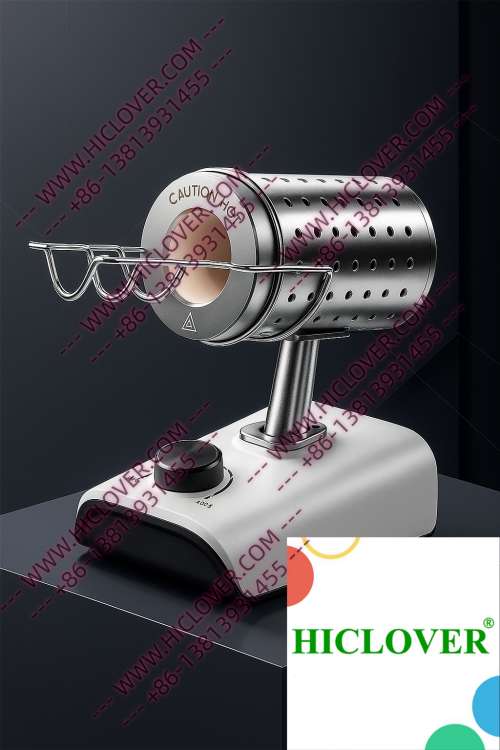
The Micro Incinerator operates on a cutting-edge principle of rapid thermal sterilization through infrared high-temperature disinfection. Unlike traditional flame sterilizers, which utilize open flames, Micro Incinerators make use of a ceramic heating chamber that heats up to an optimal temperature in seconds. This enclosed environment provides a clean, aerosol-free method to sterilize inoculating loops, needles, and other lab instruments.
Key Features:
- Rapid heating: Achieves sterilization temperatures almost instantaneously.
- Non-flammable: Eliminates risks associated with open flames.
- Clean bench safe: Ideal for use in biosafety cabinets without generating aerosols.
- Low energy consumption: More eco-friendly than traditional methods.
- Compact and portable design: Facilitates ease of use in various lab settings.
- Meets WHO standards for biosafety in laboratories.
- Reduces the risk of fire hazards associated with traditional sterilizers.
- Compatible with clean-bench setups, ensuring contamination control.
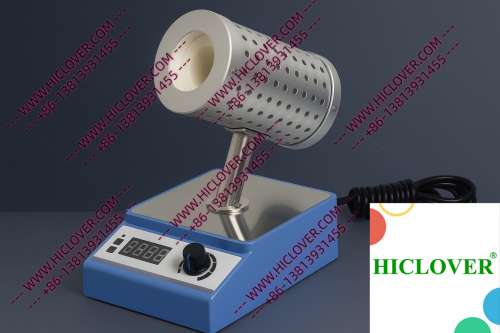
Application Scenarios in Laboratory Settings
Micro Incinerators are becoming increasingly integral to diverse laboratory applications. Here are two prominent scenarios where their use is making significant strides:
1. Biosafety Cabinet Applications
In biosafety cabinets (BSCs), the aim is to dispose of biomedical waste without compromising the sterility of the work environment. The Micro Incinerator excels here, as it can be operated safely inside a BSC, providing a flame-free sterilization option. Technicians can easily sterilize instruments without introducing contaminants or generating harmful combustion products that may compromise the sterile workspace.
2. Mobile and Field Testing Labs
Field testing laboratories often operate in variable environments where traditional equipment may not be practical. The portability of Micro Incinerators, combined with their efficient sterilization capabilities, makes them ideal for mobile testing units. Researchers conducting in-field diagnostics can rapidly sterilize tools and maintain their workflow without the hazards associated with flames, allowing for more effective contamination control.
Compliance and Environmental Considerations
Meeting the compliance standards set forth by bodies such as the World Health Organization (WHO) is crucial in laboratory settings. Micro Incinerators offer an environmentally friendly alternative for sterilization that aligns with lab sterilization standards. The absence of open flames means they can be safely used within clean rooms, which are essential for clinical diagnostics and research involving sensitive biological materials.
Benefits of Compliance:
Comparison: Micro Incinerator vs. Traditional Flame Burners
| Feature | Micro Incinerator | Traditional Flame Burners |
|---|---|---|
| Heating Mechanism | Infrared ceramic heating | Open flame |
| Speed of Sterilization | Immediate | Variable |
| Safety | Non-flammable | Fire hazards present |
| Aerosol Generation | No aerosols created | Aerosol generation possible |
| Usage in Clean Areas | Recommended | Not recommended |
FAQs about Micro Incinerators
1. What is the primary function of a Micro Incinerator?
The primary function of a Micro Incinerator is to sterilize or decontaminate laboratory instruments using infrared heat, offering a rapid and efficient method that minimizes contamination risks.
2. Can Micro Incinerators be used in clean rooms?
Yes, Micro Incinerators are designed for safe use in clean rooms. Their non-flammable nature and aerosol-free operation make them ideal for sterile environments.
3. How does a Micro Incinerator compare to traditional sterilizers in terms of energy efficiency?
Micro Incinerators are generally more energy-efficient than traditional flame sterilizers due to their rapid heating and insulation properties, leading to lower energy consumption.
4. Are there specific labs that benefit most from using Micro Incinerators?
Biosafety labs, clinical diagnostics facilities, university teaching labs, and mobile field testing setups are among the primary facilities that greatly benefit from using Micro Incinerators.
5. How can I purchase or learn more about Micro Incinerators?
For inquiries or to explore purchasing options for Micro Incinerators, please contact our sales team or visit our product webpage for detailed information.
Conclusion
As laboratory practices continue to evolve, the necessity for advanced solutions like Micro Incinerators becomes more pronounced. Their efficiency, safety, and compliance with biosafety standards make them an invaluable asset for laboratories across America. With the pressing demand for sterilization equipment, adapting to these modern solutions can significantly enhance your operational workflows and safety protocols. Don’t hesitate to reach out to our experts today to learn more or to request a quote!
Categories:
Tags: