
Maintaining rigorous biosafety standards in laboratories is a fundamental challenge for researchers and technicians, particularly in Angola, where biomedical waste disposal is a pressing concern. As laboratories are expanding, the demand for effective sterilization equipment has surged to combat contamination risks while adhering to stringent regulations. One solution redefining laboratory sterilization processes is the Micro Incinerator, specifically the Infrared Inoculating Loop Sterilizer.
Technical Principles Behind Micro Incinerators
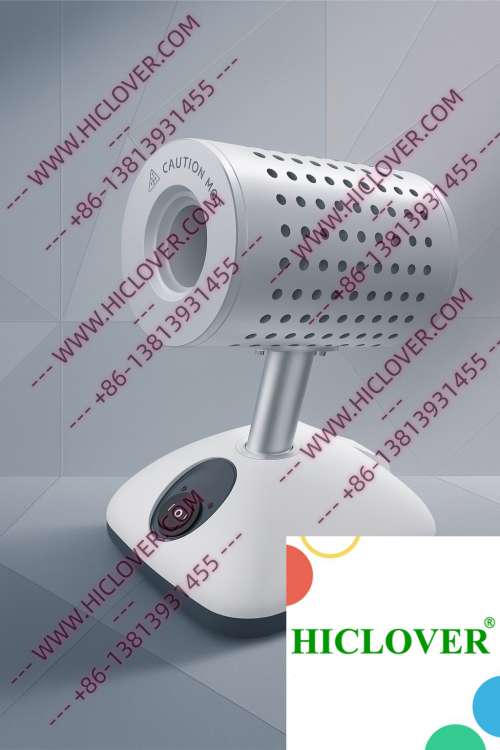
The Micro Incinerator employs rapid thermal sterilization through the use of infrared heat, which allows for quick and effective disinfection of inoculating loops and other laboratory tools. Unlike traditional flame sterilizers, such as Bunsen burners and alcohol lamps, the infrared technology delivers precise heating, promoting effective sterilization without the hazards associated with open flames.
At the core of the Micro Incinerator’s design is an enclosed ceramic heating chamber, which provides high-temperature disinfection capabilities while ensuring secure and aerosol-free handling of equipment. This technology enables sterilization to occur within seconds, thus streamlining workflow and minimizing the risk of contamination in laboratory environments, particularly in cleanroom settings.
Applications of Micro Incinerators in Real Labs
1. BSL-2/BSL-3 Microbiology Labs
In high-containment laboratories like BSL-2/BSL-3 facilities, where pathogenic microbes are handled, the need for stringent sterilization becomes paramount. Micro Incinerators can be seamlessly integrated into biosafety cabinets, enhancing the safety of personnel while efficiently sterilizing inoculating loops during sample preparation. This integration not only maintains the integrity of the sterile environment but also reduces the likelihood of aerosol generation, which is critical in minimizing exposure risks.
2. Teaching Laboratories
Universities and institutions using teaching laboratories equally benefit from these sterilizers. For instance, in microbiology classes, students can utilize Micro Incinerators to sterilize instruments safely and efficiently, gaining practical experience with advanced sterilization technology. The ease of use and rapid performance of the Micro Incinerator promote better learning outcomes by allowing students to focus on their experiments rather than on handling cumbersome flame sources.
Compliance and Environmental Considerations
Adhering to global biosafety guidelines, such as those provided by the World Health Organization (WHO), is crucial in laboratory settings, particularly when dealing with biomedical waste. Micro Incinerators ensure compliance with these standards by providing a flame-free alternative that eliminates potential fire hazards associated with traditional flame sterilizers.
In cleanroom conditions, where contamination control is critical, using Micro Incinerators is essential. They comply with laboratory sterilization standards that mandate no open flames, thereby fostering a safer work environment. The Environmental Protection Agency (EPA) recognizes the importance of responsibly disposing of biomedical waste, and devices like the Micro Incinerator contribute significantly by incinerating waste safely and efficiently.
Comparative Analysis: Micro Incinerator vs. Traditional Flame Sterilizers
| Feature | Micro Incinerator | Flame Sterilizers |
|---|---|---|
| Heating Method | Infrared Heat | Open Flame |
| Safety | Flame-Free, Aerosol-Free | Flammable, Risk of Fire |
| Time to Sterilize | Seconds | Varies (longer) |
| Application Versatility | Lab-grade, Field Testing | Primarily Lab Use |
| Compliance | WHO Standards, Cleanroom-Safe | Limited Compliance, Risky in Cleanrooms |
Frequently Asked Questions (FAQs)
- What is the primary advantage of using a Micro Incinerator over traditional flame sterilizers?
The Micro Incinerator offers flame-free operation, rapid thermal sterilization, and a reduced risk of contamination, making it ideal for sensitive laboratory environments. - Can I use a Micro Incinerator in a biosafety cabinet?
Yes, Micro Incinerators are designed to be safely used within biosafety cabinets, preventing aerosol generation and maintaining a sterile workspace. - How does the Micro Incinerator ensure compliance with biosafety standards?
The design eliminates open flames and toxic fumes, aligning with WHO biosafety protocols and laboratory sterilization regulations. - Is the Micro Incinerator suitable for field testing applications?
Absolutely! Its compact design and efficient sterilization capabilities make it perfect for mobile labs and field testing situations. - What kind of maintenance does a Micro Incinerator require?
Maintenance is minimal; it primarily involves routine cleaning and occasional checks of the heating element for optimal performance.
Conclusion
The Micro Incinerator represents a substantial advancement in the field of laboratory sterilization, particularly in Angola, where biomedical waste management poses significant challenges. Its application in microbiology labs, teaching environments, and field testing underscores its utility and versatility. By replacing traditional combustion-based sterilization methods, the Micro Incinerator not only enhances safety and compliance but also streamlines laboratory workflows.
For further inquiries or to make a purchase, reach out today to explore how the Micro Incinerator can transform your laboratory’s sterilization practices and ensure adherence to biosafety standards.
Categories:
Tags: