
The management of healthcare waste, especially in rural Uganda, presents various biosafety challenges that can compromise laboratory effectiveness and safety. The necessity for reliable sterilization equipment has never been more pressing, particularly as laboratories grapple with outdated practices and the growing need for rapid turnaround in diagnostic processes. This is where the Micro Incinerator, particularly the Infrared Inoculating Loop Sterilizer, emerges as a revolutionary tool in laboratory sterilization and waste disposal.
Understanding the Technical Principles
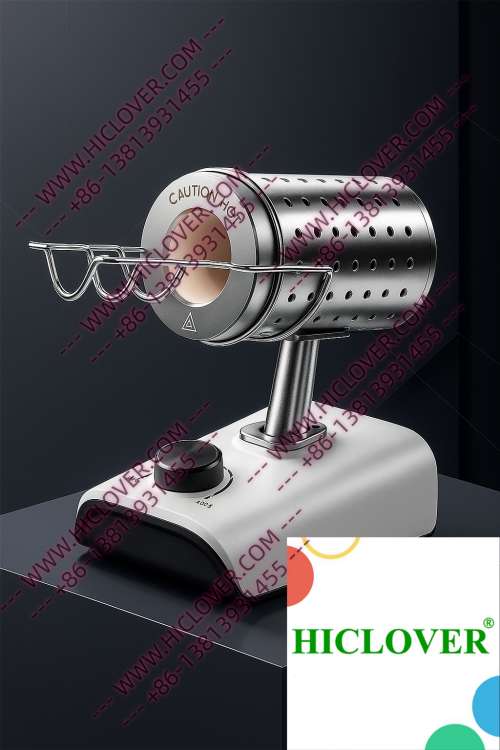
Micro incinerators utilize radiative infrared heat to achieve rapid thermal sterilization, effectively eliminating pathogens without the risks associated with open flames. The core functionality of these devices lies in their enclosed ceramic heating chamber. This design facilitates efficient temperature regulation, allowing for the immediate sterilization of laboratory instruments such as inoculating loops, needles, and glassware. The benefits of this technology extend beyond mere efficiency; it significantly reduces the risk of aerosol contamination, a critical factor in biosafety.
Key Features of Micro Incinerators
- Advanced Ceramic Heating Element: Provides consistent high temperatures for effective sterilization.
- Compact Design: Ideal for space-limited environments such as rural laboratories.
- Quick Start-Up Times: Reaches operational temperatures faster than traditional flame sterilizers.
- Clean-Bench-Safe Operations: Eliminates the risk of open flames, protecting cleanroom environments.
- Energy Efficiency: Lower energy consumption compared to gas-powered sterilizers.
Application Scenarios in Real Labs
Use Case 1: University Teaching Labs
In many educational institutions in Uganda, microbiology students rely on sterile equipment for effective learning. Incorporating the Micro Incinerator into their curriculum allows students to understand the principles of contamination control in a safe and practical manner. The immediate accessibility of sterilized tools enables rapid laboratory workflows, which is essential for effective learning during hands-on sessions. Unlike traditional flame sterilizers, teachers can focus on scientific inquiry rather than safety concerns with flames in the classroom.
Use Case 2: Biosafety Cabinets in Clinical Diagnostics
Clinical laboratories operating at BSL-2 often require stringent adherence to biosafety protocols. The Micro Incinerator serves as an integral part of sterilization processes within biosafety cabinets, where the use of flames could lead to an explosive risk. Its usability in tightly controlled environments ensures that samples and tools maintain integrity while minimizing the possibility of contamination. This not only safeguards laboratory technicians but also enhances the reliability of diagnostic outcomes.
Compliance and Environmental Considerations
As laboratories in Uganda increasingly adhere to WHO biosafety standards, the selection of sterilization equipment becomes critically important. Traditional flame sterilizers, such as alcohol lamps and Bunsen burners, pose unique challenges, particularly in maintaining safety in cleanroom environments. Micro Incinerators meet these compliance standards effectively. The absence of flames reduces the potential for accidental ignition of flammable materials, making them a safer choice for laboratories looking to comply with international sterilization guidelines.
Despite improvements in laboratory practices, healthcare facilities must prioritize proper waste disposal to align with global biosafety objectives.
Comparison Table: Micro Incinerators vs. Flame Burners
| Feature | Micro Incinerator | Flame Burners |
|---|---|---|
| Safety | Flame-free operation | Open flame risks |
| Efficiency | Rapid sterilization | Longer start-up times |
| Energy Consumption | Lower | Higher |
| Portability | Highly portable | Less portable |
| Aerosol Control | Eliminates risk | Risk of aerosol generation |
Frequently Asked Questions (FAQs)
What is the primary advantage of using a Micro Incinerator over traditional flame sterilizers?
The primary advantage lies in its ability to sterilize tools rapidly and safely without the risks associated with open flames, thus enhancing the safety and efficiency of laboratory workflows.
How does infrared heating work in sterilization processes?
Infrared heating uses radiation to elevate the temperature of instruments quickly, ensuring effective thermal disinfection without compromising the structural integrity of the equipment.
Can Micro Incinerators be used in mobile field testing labs?
Absolutely! Their compact design and rapid operation make them ideal for mobile and field testing labs, where traditional sterilization methods would be impractical.
Are Micro Incinerators compliant with WHO biosafety standards?
Yes, they meet WHO biosafety standards by providing a safe, clean, and efficient method for sterilization and waste disposal.
What types of laboratories benefit from Micro Incinerators?
Micro Incinerators are particularly advantageous in BSL-2 and BSL-3 microbiology labs, clinical diagnostics, university teaching labs, and mobile or field testing environments.
Conclusion
The introduction of Micro Incinerators, particularly the Infrared Inoculating Loop Sterilizers, represents a significant advancement in the realm of laboratory sterilization tools. Their myriad benefits—efficiency, safety, and compliance with biosafety standards—make them an indispensable asset for healthcare waste disposal in rural Uganda. Laboratories seeking to improve sterilization processes and enhance biosafety protocols should seriously consider integrating Micro Incinerators into their sterilization workflows. For more information or to make a purchase, feel free to reach out to us today!
Categories:
Tags: