
In today’s fast-paced biomedical and microbiological research environments, laboratories face increasing challenges in maintaining biosafety and effective sterilization workflows. Improper sterilization procedures can lead to contamination, invalid results, and even serious health risks to lab personnel. Among the most critical tools utilized in this process are sterilization devices, which must provide rapid and effective disinfection. This is where Micro Incinerators, particularly Infrared Inoculating Loop Sterilizers, come into play, revolutionizing how laboratories manage waste and prevent contamination.
Understanding the Technical Principles Behind Micro Incinerators
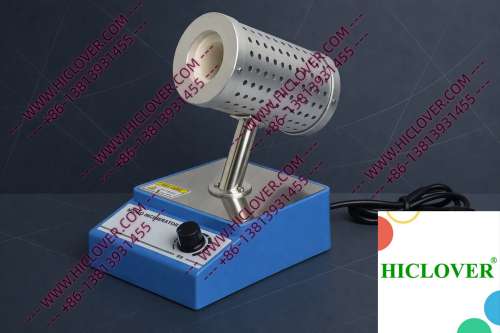
The Micro Incinerator operates on the principle of rapid thermal sterilization using infrared high-temperature disinfection. This process leverages an enclosed ceramic heating chamber that reaches temperatures up to 850°C (1562°F) in a matter of seconds. Unlike traditional flame-based sterilizers, such as alcohol lamps and Bunsen burners, the Micro Incinerator offers a clean-bench-safe operation, eliminating the risk associated with open flames, toxic fumes, and aerosol generation.
- Infrared Heating: The infrared heat provides an efficient way to kill microorganisms instantly.
- Enclosed Design: Reduces the emission of airborne contaminants, maintaining a sterile working environment.
- Portability: Many units are lightweight and easy to transport to field and mobile labs.
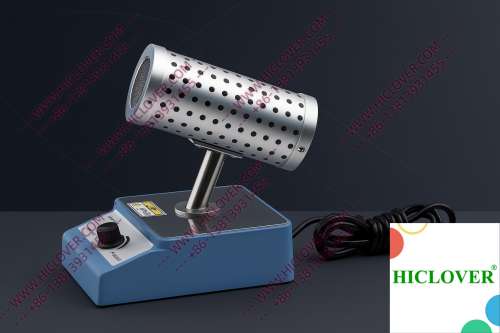
Why Micro Incinerators Triumph Over Traditional Flame Sterilizers
| Feature | Micro Incinerators | Flame Burners |
|---|---|---|
| Temperature Control | Precise, high-temperature regulation | Variable, difficult to control |
| Safety | No flame, reduced risk of fire | Open flame, fire risk present |
| Cleanliness | Minimal aerosol generation | Promotes aerosol contamination |
| Versatility | Ideal for various sterilization needs | Limited to lab environments |
Application Scenarios in Real Laboratories
Micro Incinerators are exceedingly useful across various laboratory settings. Let’s explore two specific scenarios where they enhance efficiency and safety:
1. Biosafety Cabinets
In BSL-2 and BSL-3 labs, where the risk of exposure to potential pathogens is high, Micro Incinerators provide a safe way to sterilize inoculating loops and other tools without introducing open flames. This minimizes contamination risk, safeguarding both the specimens being handled and the lab personnel. Their compact design allows easy integration into existing biosafety cabinets, providing localized disinfection while maintaining airflow dynamics.
2. University Teaching Labs
In educational settings, such as university teaching labs, students must learn effective sterilization techniques while ensuring their safety. Micro Incinerators offer a user-friendly alternative that allows students to focus on their experiments without worrying about flame safety. The quick sterility achieved contributes to cleaner experiments, essential in microbiology courses and practical assessments.
Compliance and Environmental Considerations
Compliance with global biosafety standards is critical for laboratory operations. The World Health Organization (WHO) emphasizes that labs must comply with environmental safety regulations to effectively manage biological materials. Micro Incinerators align with these high standards by:
- Providing an aerosol-free handling process to control potential contamination.
- Eliminating the need for toxic solvents often associated with flame sterilization.
- Offering an energy-efficient solution that can decrease operational costs.
Moreover, with stringent laws on the use of open flames in clean rooms and sterile environments, utilizing ceramic tube-based Micro Incinerators adheres to these requirements, further endorsing their role in modern laboratories.
FAQs about Micro Incinerators
1. What are the primary benefits of using a Micro Incinerator in my lab?
The primary benefits include rapid thermal sterilization, enhanced safety due to the absence of open flames, and increased efficiency in maintaining a contamination-free environment.
2. Can a Micro Incinerator be used in a mobile testing lab?
Yes, many Micro Incinerator models are designed to be portable, making them suitable for field and mobile testing labs while providing effective sterilization on the go.
3. How does a Micro Incinerator compare to a traditional sterilization method?
The Micro Incinerator embodies a more efficient and safer alternative, providing higher temperature sterilization without the risks associated with open flames or aerosols.
4. Are Micro Incinerators compliant with biosafety regulations?
Absolutely! Micro Incinerators meet WHO biosafety standards and other regulatory requirements essential for laboratory operations.
5. What types of laboratories benefit the most from Micro Incinerators?
Micro Incinerators are particularly beneficial in BSL-2/BLS-3 microbiology labs, clinical diagnostics, university teaching labs, and mobile field testing setups.
Conclusion
As laboratory environments become increasingly complex, the importance of effective sterilization cannot be overstated. By investing in Micro Incinerators, facilities enhance their workflows while achieving high standards of biosafety and cleanliness. If you’re ready to revolutionize your laboratory’s waste management and sterilization capabilities, consider reaching out for more information on how our Micro Incinerators can meet your unique needs.
Categories:
Tags: