
In the quest for enhanced laboratory biosafety and efficient sterilization workflows, bio-research facilities face mounting challenges. Traditional methods like alcohol lamps and Bunsen burners, while commonly used, are increasingly scrutinized due to their risks of contamination, flame hazards, and the extensive maintenance they require.
The Evolution of Laboratory Sterilization Equipment
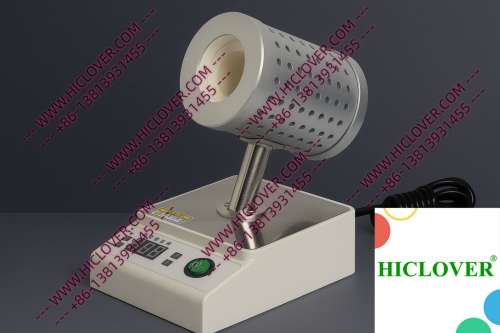
Micro Incinerators, particularly the Infrared Inoculating Loop Sterilizer, stands out as a modern and efficient solution. This innovative apparatus addresses focal challenges in sterilization by employing rapid thermal sterilization techniques. Utilizing infrared heat technology, these sterilizers effectively eliminate microbial contaminants within seconds, ensuring laboratory standards are consistently met.
Technical Principle of the Micro Incinerator
The heart of the Micro Incinerator is its enclosed ceramic heating chamber that operates on infrared radiation. Unlike traditional flame methods, this equipment provides a clean, targeted heat source that ensures even thermal disinfection without the risk of generating aerosols. This design is especially advantageous in biosafety cabinets and clean rooms.
- Infrared Heat: Rapidly reaches sterilization temperatures of over 800°C.
- Enclosed Design: Minimizes risk of accidental ignition and contamination.
- Portability: Lightweight and easy to position for various laboratory layouts.
- A flame-free operation suitable for clean rooms
- A controlled and clean sterilization process
- Reduced risk of cross-contamination in BSL-2 and BSL-3 spaces
Applications of the Micro Incinerator
The diversity of applications for Micro Incinerators extends beyond mere sterilization. Here are two prominent scenarios in which they excel:
1. Teaching Labs in Universities
In educational environments where microbiology is taught, it’s crucial to provide students with effective tools for safe experimentation. Incorporating Micro Incinerators into university labs enhances learning experiences by combining safety and technical skill development. Students can perform inoculations without the fear of accidents associated with larger flame sterilizers.
2. Field Testing Labs and Clinical Diagnostics
Peru’s unique biodiversity poses a challenge for researchers conducting field studies. The lightweight nature and efficiency of Micro Incinerators cater perfectly to mobile laboratory environments. Researchers can quickly sterilize samples in situ without lugging heavy sterilization equipment, making it a vital tool for remote diagnostics and ecological studies.
Compliance and Environmental Considerations
From a compliance perspective, the adoption of Micro Incinerators aligns closely with WHO biosafety guidelines and laboratory sterilization standards. Unlike traditional flame sterilizers, which can emit harmful fumes and contribute to environmental pollution, Micro Incinerators provide:
This commitment to compliance is critical in the increasingly regulated laboratory environments of Peru, especially as the country ramps up its scientific contributions on an international scale.
Comparison: Micro Incinerator vs. Traditional Flame Burners
| Feature | Micro Incinerator | Traditional Flame Burners |
|---|---|---|
| Heat Source | Infrared, targeting | Open flame |
| Risk of Contamination | Minimal | High |
| Speed of Sterilization | Seconds | Variable |
| Portability | Highly portable | Bulkier and heavier |
Frequently Asked Questions
What makes Micro Incinerators safer than flame-based sterilizers?
Micro Incinerators utilize infrared heat, which significantly lowers the risks of fire hazards and contamination, making them ideal for high-security biosafety labs.
Can Micro Incinerators be used in a cleanroom environment?
Yes, their flame-free operation makes Micro Incinerators perfect for cleanrooms, aligning with strict sterilization protocols.
How quickly can a Micro Incinerator sterilize an inoculating loop?
The device can sterilize an inoculating loop in just a few seconds, ensuring rapid workflow efficiency without compromising safety.
Conclusion
As laboratories in Peru and worldwide navigate the complexities of modern biosafety and environmental standards, Micro Incinerators offer a practical, compliant, and efficient alternative to traditional sterilization methods. Embracing this technology not only enhances laboratory safety but also promotes sustainable practices crucial for the future of scientific research.
For organizations looking to upgrade their sterilization equipment and improve their workflows, investing in Micro Incinerators could be a crucial step towards ensuring safety and efficiency in research operations. contact us to learn more about how these high-quality devices can fit into your laboratory setup.
Categories:
Tags: