
In today’s laboratory landscape, biosafety challenges are ever-present, especially in rural and remote Australian communities. Laboratories face stringent sterilization workflow demands that ensure the safety of personnel while maintaining high standards of contamination control. Traditional sterilization methods, such as flame sterilizers (alcohol lamps and Bunsen burners), although effective, come with risks associated with open flames and aerosol generation, particularly in cleanroom environments. This is where micro incinerators shine as a superior solution.
The Science Behind Micro Incinerators
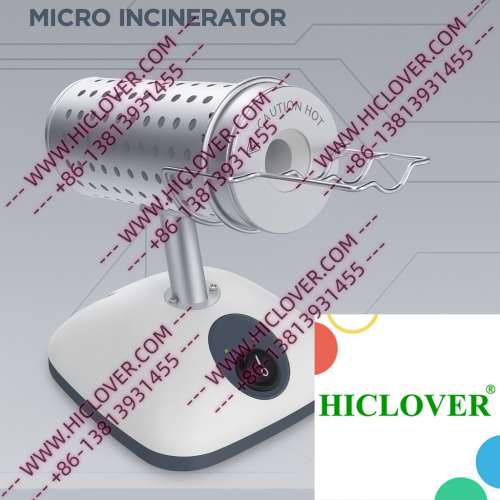
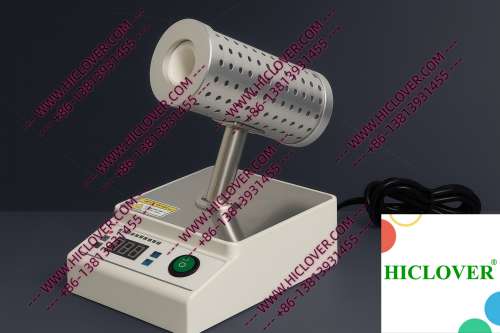
Micro incinerators, specifically the Micro Incinerator / Infrared Inoculating Loop Sterilizer, utilize infrared heat within a specialized ceramic heating chamber to achieve rapid thermal sterilization. The unit’s enclosed ceramic tube optimizes heat distribution, guaranteeing that inoculating loops and other laboratory instruments achieve the necessary high temperatures for effective disinfection. This technology not only enhances sterilization efficiency but also minimizes the potential for aerosol generation—making it an ideal choice for various laboratory environments.
Applications in Diverse Laboratory Settings
1. Biosafety Cabinets
In BSL-2 and BSL-3 microbiology labs, the application of micro incinerators within biosafety cabinets promotes a contamination-free environment. These units are easy to integrate, providing versatile sterilization points without introducing additional contaminants like aerosols. As researchers manipulate potentially hazardous microorganisms, the ability to quickly sterilize tools without an open flame is paramount for ensuring safety and compliance with laboratory protocols.
2. Field Testing Labs
In remote locations where access to full laboratory facilities is limited, mobile or field testing labs can leverage micro incinerators. For instance, when conducting environmental sampling in rural Australia, researchers can employ these compact devices to sterilize sample collection tools on-site, ensuring that results are not compromised by cross-contamination. The portability and efficiency of micro incinerators make them an indispensable asset in such operations.
Compliance and Environmental Considerations
Adhering to biosafety regulations set forth by organizations like the World Health Organization (WHO) is non-negotiable for laboratories. Micro incinerators are designed to meet laboratory sterilization standards, including those pertaining to cleanroom operations where no flame is permitted. With rapid thermal sterilization, these devices are compliant with environmental safety standards, promoting safe practices that protect both laboratory personnel and the environment.
Biosafety Standards Reference
Micro incinerators offer an effective solution for achieving the necessary sterilization standards in compliance with guidelines from:
- WHO – Biosafety in Microbiological and Biomedical Laboratories
- ASNZS 4815:2001 – Office-based Health Care Facilities
- ISO 14698 – Cleanrooms and Controlled Environments
Advantages of Micro Incinerators vs. Traditional Flame Sterilizers
Micro incinerators present several advantages over traditional flame sterilizers:
| Feature | Micro Incinerator | Flame Sterilizer |
|---|---|---|
| Safety | Enclosed system, minimizes risk of fire and aerosol | Open flame, poses fire hazard and aerosol risk |
| Efficiency | Rapid sterilization with immediate heating | May take longer to reach sterilization temperature |
| Portability | Compact and easy to transport | Typically larger and more difficult to transport | Ease of Use | Simple operation, suitable for regulated environments | Requires careful handling, may not adhere to cleanroom protocols |
Frequently Asked Questions
- What is a micro incinerator used for?
A micro incinerator is primarily used for the sterilization of laboratory tools like inoculating loops, ensuring rapid and contamination-free operations.
- How does it differ from traditional flame sterilizers?
Unlike flame sterilizers that produce open flames, micro incinerators use infrared heat, which minimizes the risk of fire and aerosol generation, making them safer and more efficient.
- Are micro incinerators compliant with laboratory safety standards?
Yes, micro incinerators comply with various biosafety and sterilization standards, making them suitable for use in cleanroom environments as well as BSL-2 and BSL-3 laboratories.
- Can a micro incinerator be used in field tests?
Absolutely! Micro incinerators are portable and ideal for use in mobile laboratories for environmental sampling where quick sterilization is crucial.
- What maintenance do micro incinerators require?
Micro incinerators generally require minimal maintenance; however, regular cleaning and calibration are recommended to ensure optimal performance.
Conclusion
Micro incinerators represent a vital evolution in laboratory sterilization technologies, particularly for rural and remote Australian communities. By enhancing biosafety, optimizing workflow, and adhering to compliance standards, these devices are transforming laboratory operations. Investing in a Micro Incinerator / Infrared Inoculating Loop Sterilizer means not just investing in a high-quality piece of equipment, but securing the health and safety of laboratory personnel while fostering an environment of reliable research and diagnostics. For further inquiries or to place an order, please don’t hesitate to reach out!
Categories:
Tags: