
In the realm of laboratory biosafety, sterilization workflows are fundamental yet challenging. In Ethiopia, particularly in rural settings, strict waste management and infection control protocols are often hindered by inadequate resources. Traditional flame sterilizers like Bunsen burners or alcohol lamps face significant challenges—issues such as open flames pose safety risks, while the emission of aerosols can compromise sterilization efforts. Enter the Micro Incinerator, a cutting-edge solution designed to efficiently facilitate sterilization processes while maintaining a clean and safe laboratory environment.
What are Micro Incinerators?
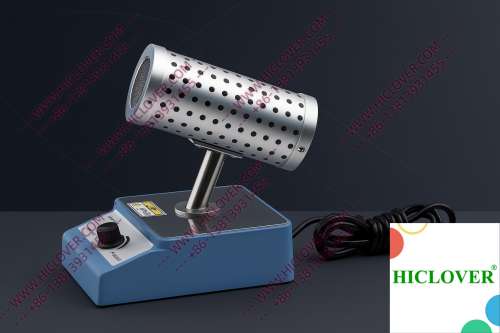
The Micro Incinerator, also known as an Infrared Inoculating Loop Sterilizer, employs advanced technology featuring a ceramic heating chamber and infrared heat. The operational principle is straightforward yet efficient: samples or instruments are exposed to rapid thermal sterilization without the risk of flaming or smoking, hence eliminating the formation of potentially harmful aerosols. The enclosed ceramic tube ensures high-temperature disinfection while keeping the sterilization process free from contaminants.
Technical Features of the Micro Incinerator
- Infrared Heat Technology: This offers fast and uniform heating, which is crucial for effective sterilization.
- Compact Design: Our Micro Incinerator is ideal for tight laboratory environments, making it suitable for both teaching labs and clinical diagnostics.
- Energy Efficient: Unlike traditional flame sterilizers, it requires less energy, reflecting both economic and environmental benefits.
- Safety Features: With no open flame, risk factors are minimized, allowing it to be used in BSL-2 and BSL-3 environments without concern.
- What are the main benefits of using Micro Incinerators in laboratories?
The primary benefits include enhanced safety, energy efficiency, and effective sterilization protocols without the hazards associated with open flames. - Are Micro Incinerators compliant with international biosafety standards?
Yes, they adhere to WHO biosafety standards and are suited for use in BSL-2 and BSL-3 laboratories. - Can Micro Incinerators be used in field testing?
Absolutely! They are designed for portability and can effectively sterilize instruments in mobile lab settings. - What types of instruments can be sterilized?
Micro Incinerators are suitable for sterilizing inoculating loops, needles, glass slides, and other small laboratory tools. - How does infrared sterilization differ from traditional methods?
Infrared sterilization achieves rapid thermal dynamics and minimizes contamination risks, while traditional methods may require longer exposure times and produce aerosols.
Applications in Diverse Laboratory Settings
Micro Incinerators are revolutionizing how labs perform sterilization, particularly in Ethiopia, where access to robust waste management technologies remains limited. Here are two primary application scenarios where Micro Incinerators excel:
1. Teaching Labs in Higher Education
In university teaching labs, the Micro Incinerator serves as a crucial component for safe and efficient laboratory practices. Students learn essential biosafety protocols while performing experiments. The infrared sterilizer allows them to practice contamination control with minimal risk, instilling confidence as they prepare materials for microbiological assays or culture studies. The clean-bench-safe design means students can work nearby without concerns over hazardous flames or harmful fumes.
2. Field Testing Labs in Rural Outreach
In the context of mobile or field testing labs, where some of Ethiopia’s rural areas lack stable electricity, the Micro Incinerator’s portability and efficiency shine. It accommodates rapid thermal sterilization for instruments used in diagnostics and environmental monitoring, fighting against contamination while safeguarding health workers on the front lines. Because it reduces the reliance on fuel-based heating sources, it aligns with the sustainable practices encouraged by many NGOs operating in the region.
Compliance with Biosafety and Sterilization Standards
Adhering to global biosafety standards is essential for any laboratory equipment, especially in serious clinical settings. The World Health Organization (WHO) emphasizes biosafety in laboratories, ensuring that practices uphold the integrity of public health policies. The Micro Incinerator meets stringent laboratory sterilization standards, significantly reducing the risk of contamination in BSL-2 and BSL-3 microbiology labs.
Unlike traditional flame sterilizers, the Micro Incinerator operates in clean rooms without introducing fire hazards. The use of infrared heat aligns with WHO guidance to limit exposure to aerosols and reduce the chances of airborne bacterial transmission in sensitive environments. This adherence not only ensures compliance but boosts confidence in lab operations.
Micro Incinerator vs. Traditional Flame Sterilizers
| Feature | Micro Incinerator | Flame Sterilizers |
|---|---|---|
| Type of Heat | Infrared Heat | Open Flame |
| Safety | No open flames | Risk of burns or fire |
| Aerosol Production | Minimal | High due to flames |
| Energy Efficiency | High | Moderate to Low |
| Portability | High | Limited |
FAQs About Micro Incinerators
Conclusion
As Ethiopia strives to improve its laboratory infrastructure and waste management paradigms, the Micro Incinerator represents an innovative leap forward. By ensuring compliance with biosafety standards while maximizing efficiency and reducing safety risks, it stands as an indispensable tool for laboratories across the nation. If you’re ready to enhance your lab’s sterilization process with state-of-the-art technology, reach out today to learn more about our Micro Incinerators and make your order!
Categories:
Tags: