
In the evolving landscape of laboratory biosafety, the challenge of effective sterilization continues to demand attention, particularly in environments such as Egypt where healthcare and research infrastructures are under continuous development. Leveraging advanced laboratory sterilization equipment, like Micro Incinerators, provides medical and educational facilities with the tools necessary to ensure sterile conditions while adhering to stringent environmental standards and minimizing landfill waste. This article delves into the technical principles of micro incinerators, exploring their applications, compliance with global biosafety protocols, and how they contribute to sustainable waste management.
The Rising Need for Effective Sterilization Solutions
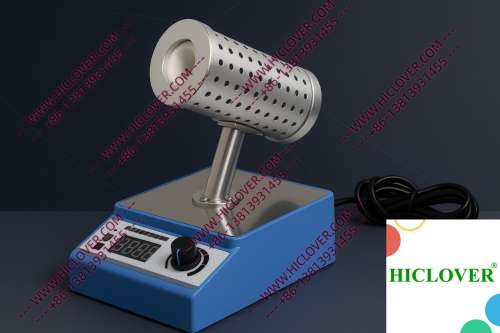
Laboratories, particularly in regions such as Cairo and Alexandria, face pressing biosafety challenges. With increasing laboratory work comes the heightened demand for efficient sterilization methods. Traditional flame sterilizers, such as alcohol lamps or Bunsen burners, pose several issues: they are fire hazards, create aerosol contamination risks, and contribute to environmental waste through hazardous materials. This is where Micro Incinerators, specifically the Micro Incinerator / Infrared Inoculating Loop Sterilizer, shine as a viable and eco-friendly alternative.
Technical Principles Behind Micro Incinerators
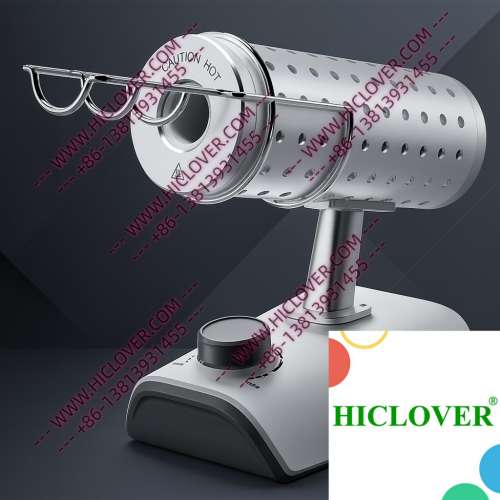
The Micro Incinerator operates on the principle of rapid thermal sterilization using infrared technology. This sterilizer features a ceramic heating chamber that can reach high temperatures quickly, allowing for effective disinfection of inoculating loops, needles, and other laboratory tools without the drawbacks of open flames. The enclosed design not only enhances safety but also minimizes the risk of contamination, making it ideal for use in clean rooms and biosafety cabinets.
- Rapid Thermal Sterilization: Heats instruments rapidly, ensuring efficient workflow.
- Infrared High-Temperature Disinfection: Provides a complete sterilization cycle without leftovers.
- Aerosol-Free Handling: Reduces risks associated with aerosolized pathogens, crucial in BSL-2 or BSL-3 labs.
- Clean-Bench-Safe Design: Perfect for sterile environments.
Real-World Applications in Laboratories
Application Scenario 1: University Teaching Labs
In university teaching labs, where students are taught microbiological practices, the Micro Incinerator serves as a key tool for ensuring proper sterilization of inoculation loops between uses. Its rapid heating allows students to maintain efficient workflow without the cumbersome process associated with traditional flame burners. Moreover, the safety of not handling open flames in educational settings fosters an environment where students can focus on learning rather than safety concerns.
Application Scenario 2: Clinical Diagnostics in Hospitals
In clinical settings, particularly within diagnostics labs that process numerous samples daily, maintaining sterile conditions is paramount. The Micro Incinerator allows for the immediate sterilization of tools used in sample collection and analysis, dramatically reducing turnaround times. Its compliance with WHO biosafety standards ensures that tools are free from contaminants before they are used on patients, thus maintaining high levels of patient safety.
Compliance with Global Biosafety Standards
Globally recognized organizations such as the World Health Organization (WHO) outline stringent biosafety standards, emphasizing the importance of sterilization in laboratory environments. Regulations dictate that sterilization processes must be effective enough to eliminate all possible contaminants without introducing more hazards. Micro Incinerators comply with these guidelines, making them suitable for use in clinical diagnostics, research facilities, and educational institutions.
Micro Incinerators vs. Traditional Flame Sterilizers
| Feature | Micro Incinerator | Flame Sterilizer |
|---|---|---|
| Heating Method | Infrared | Open Flame |
| Contamination Risk | Low | High (Aerosol Production) |
| Environmental Impact | Eco-Friendly | Wasteful (Alcohol/Other Fuels) |
| Usability in Clean Rooms | Approved | Not Suitable |
| Efficiency | High (Rapid Sterilization) | Variable (Longer Waiting Times) |
FAQs About Micro Incinerators
1. What is the primary benefit of using a Micro Incinerator in a laboratory?
The primary benefit is its ability to provide rapid, high-temperature sterilization without the risks associated with open flames, ensuring a safer and contamination-free environment.
2. How does a Micro Incinerator work?
The Micro Incinerator uses infrared heat generated by a ceramic chamber to rapidly sterilize lab tools, effectively eliminating pathogens.
3. Are Micro Incinerators compliant with WHO standards?
Yes, Micro Incinerators adhere to WHO biosafety standards, making them suitable for use in health-related laboratories.
4. Can I use a Micro Incinerator in a BSL-3 lab?
Absolutely! The Micro Incinerator is designed for use in BSL-2 and BSL-3 labs because of its ability to prevent aerosol contamination and provide effective sterilization.
5. Is there any residual waste produced by a Micro Incinerator?
No, a Micro Incinerator eliminates pathogens without producing harmful waste, aligning with sustainable practices.
Conclusion
Micro Incinerators are an essential advancement in laboratory sterilization technology, particularly against the backdrop of Egypt’s growing healthcare and research needs. They effectively reduce contamination risks while supporting sustainability goals by minimizing landfill dependency. By opting for a Micro Incinerator, laboratories can enhance their sterilization protocols, comply with safety regulations, and contribute to a cleaner environment. For inquiries on how to integrate Micro Incinerators into your lab’s workflows, feel free to contact us for more information!
Categories:
Tags: