
In the ever-evolving landscape of laboratory biosafety, the need for effective sterilization solutions has never been more critical. As laboratories across Canada continue to face stringent safety regulations and rigorous contamination control demands, conventional flame sterilizers, such as alcohol lamps and Bunsen burners, are increasingly falling behind in efficacy and safety. Enter the micro incinerator, particularly the Micro Incinerator / Infrared Inoculating Loop Sterilizer, which heralds a new phase in laboratory waste management and sterilization practices.
Understanding the Technology Behind Micro Incinerators
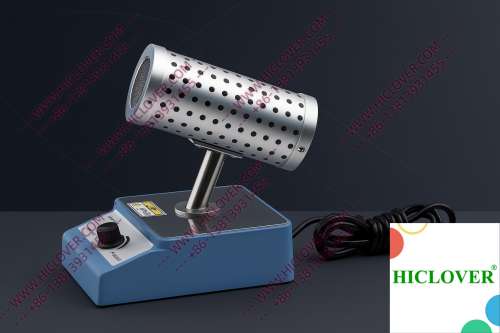
The core principle behind micro incinerators lies in their ability to utilize infrared heat for rapid thermal sterilization. Unlike traditional flame-based sterilizers, micro incinerators employ an enclosed ceramic heating chamber that generates high temperatures to achieve effective disinfection. The infrared heating technology offers several advantages:
- Speed: Micro incinerators can reach operational temperatures of over 800°C in seconds, significantly reducing waiting times compared to flame sterilizers.
- Safety: As these devices eliminate open flames, they mitigate the risk of fire hazards and potential inhalation of toxic fumes.
- Control: The precise temperature control allows laboratories to eliminate a wide range of pathogens, ensuring the highest standards of biosafety.
Application Scenarios in Modern Laboratories
Micro incinerators are versatile instruments that find a multitude of applications in various laboratory settings. Here are two noteworthy scenarios:
1. Field Testing Laboratories
In field testing laboratories, where rapid sample processing is crucial, micro incinerators provide an efficient and portable solution for sterilizing inoculating loops and other instruments on-site. These devices can easily be taken to remote locations, enabling researchers to maintain strict contamination control while working in challenging environments. The ability to operate without open flames ensures a clean-bench-safe operation, safeguarding the integrity of sensitive samples.
2. University Teaching Labs
In academic settings, teaching labs are often the first exposure students have to microbiological techniques. The incorporation of micro incinerators allows for a safer learning environment. Students can practice sterilization without the intimidation or hazard of flame, facilitating an emphasis on aerosol-free handling and safe lab practices from day one. This not only enhances the learning experience but also fosters a culture of safety that students will carry into their professional careers.
Compliance and Environmental Considerations
As laboratories strive to meet compliance standards set by organizations such as the World Health Organization (WHO) and local regulatory bodies, the micro incinerator stands out. Traditional flame sterilizers struggle to meet the stringent biosafety standards required in BSL-2 and BSL-3 microbiology labs. In contrast, micro incinerators align with contemporary laboratory safety protocols:
“Micro incinerators ensure compliance with biosafety and sterilization standards, facilitating a safer laboratory environment and efficient sterilization of instruments with a reduced risk of contamination.”
In addition to meeting compliance regulations, micro incinerators do not require open flames, making them suitable for use in clean rooms and delicate environments, such as CO₂ incubators and anaerobic chambers.
Comparison of Micro Incinerators and Traditional Flame Sterilizers
| Feature | Micro Incinerator | Flame Sterilizer |
|---|---|---|
| Heat Source | Infrared | Open Flame |
| Temperature Control | Precise | Variable |
| Safety | Low risk of fire | High fire risk |
| Speed | Rapid | Slower |
| Suitability for Clean Rooms | Excellent | Poor |
FAQs About Micro Incinerators
1. What are the major advantages of using a micro incinerator over traditional flame sterilizers?
The key advantages include faster sterilization times, enhanced safety due to the absence of open flames, improved temperature control, and suitability for clean-room environments.
2. Where are micro incinerators typically used in laboratories?
Micro incinerators are commonly used in BSL-2 and BSL-3 laboratories, field testing environments, and university teaching labs, allowing for effective sterilization without aerosol production.
3. How do micro incinerators comply with biosafety standards?
Micro incinerators adhere to WHO guidelines by providing effective sterilization without the use of open flames, thereby minimizing contamination risks and fire hazards in sensitive environments.
4. Are micro incinerators environmentally friendly?
Yes, by using efficient thermal sterilization methods, micro incinerators reduce the need for chemicals or flame-based systems, promoting a more sustainable approach to waste management in laboratories.
5. Can micro incinerators be used in fieldwork?
Absolutely! Their compact design and rapid heat capabilities make them ideal for fieldwork, enabling researchers to perform sterilization on-site safely.
Conclusion: Move Towards the Future of Laboratory Sterilization
The adoption of micro incinerators in laboratories across Canada signifies a landmark shift in the way we handle waste and ensure biosafety. With their inherent advantages over traditional sterilization methods, micro incinerators offer a safer, more efficient means of contamination control. Investing in a micro incinerator not only aligns with modern sterilization needs but also contributes to creating a safer and more responsible laboratory environment.
If you’re ready to enhance your laboratory’s sterilization protocol, consider integrating a micro incinerator into your workflow. For more information or to place an order, feel free to contact us. Let’s ensure every experiment is safe and successful!
Categories:
Tags: