
Laboratories face an array of biosafety challenges, particularly when it comes to the sterilization of inoculating loops and other lab tools used in microbiology and clinical diagnostics. The demand for enhanced sterilization workflows has led to the adoption of advanced equipment, such as Micro Incinerators. These devices offer a rapid thermal sterilization solution that eliminates risks associated with traditional methods, such as alcohol lamps and Bunsen burners, making them essential in modern laboratories.
Technical Principle of Micro Incinerators
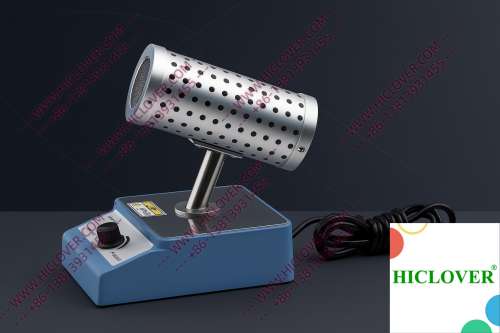
The Micro Incinerator, or Infrared Inoculating Loop Sterilizer, leverages the principles of infrared heat for efficient sterilization. At its core, the device typically features an enclosed ceramic heating chamber designed to reach high temperatures rapidly. This design facilitates quick disinfection without the need for flames, ensuring that the area remains clean-bench-safe and free from aerosol contamination.
Unlike traditional flame sterilizers, the Micro Incinerator provides a consistent and even distribution of heat, effectively killing bacteria and other pathogens within seconds. This is essential for maintaining strict contamination control protocols in laboratories handling hazardous materials.
Applications in Real Labs
1. BSL-2 and BSL-3 Microbiology Labs
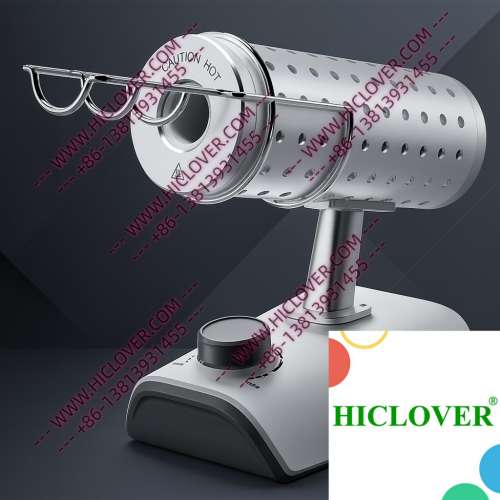
In BSL-2 and BSL-3 microbiology labs, maintaining a sterile environment is paramount. The Micro Incinerator is ideal for sterilizing inoculating loops and needles used in the culture of pathogens. For example, a laboratory working with pathogenic bacteria can utilize the Micro Incinerator within a biosafety cabinet, minimizing the risk of biological contamination while efficiently sterilizing tools between uses. The rapid thermal process provides instant results, maintaining the researcher’s focus on safety and productivity.
2. Teaching Laboratories at Universities
In educational settings, such as university teaching labs, the Micro Incinerator serves as an excellent tool for demonstrations and hands-on training. With students learning about microbiological techniques, the need for safe, quick disinfecting solutions is critical. Instructors can confidently teach students about inoculation techniques, knowing that the incorporated safety of the Micro Incinerator reduces the risk of inadvertent infections or exposure to pathogens.
Compliance with Biosafety Standards
The Micro Incinerator aligns with various biosafety and laboratory sterilization standards established by the World Health Organization (WHO) and other regulatory bodies. Essential for BSL-2 and BSL-3 labs, the device aids in achieving compliance with sterilization protocols crucial for the safe handling of hazardous biological agents. In addition, since it operates without an open flame, the Micro Incinerator is ideal for use in clean rooms, where flame-based sterilization poses a significant risk of contamination.
- WHO biosafety standards for lab operations
- No flame in clean rooms compliance
- Meets the guidelines for high-temperature disinfection
Comparison: Micro Incinerator vs. Flame Burners
| Feature | Micro Incinerator | Flame Burners |
|---|---|---|
| Heating Method | Infrared Heating | Open Flame |
| Risk of Contamination | Low | High |
| Operational Speed | Rapid | Moderate |
| Usability in Clean Areas | Safe | Not Recommended |
FAQs on Micro Incinerators
What is a Micro Incinerator?
A Micro Incinerator is a laboratory device that utilizes infrared heat for the rapid sterilization of inoculating loops, needles, and other small tools, ensuring effective contamination control without the use of an open flame.
How does the sterilization process work?
Upon activation, the Micro Incinerator rapidly generates high temperatures via its enclosed ceramic heating chamber, achieving thermal sterilization in a matter of seconds and effectively killing bacteria and viruses.
Why is it preferred over traditional flame sterilizers?
Micro Incinerators are preferred due to their efficiency, safety, and ability to operate in clean environments. They reduce contamination risks associated with flames and are easier to control and maintain.
Are there specific labs that benefit the most from using a Micro Incinerator?
Yes, BSL-2 and BSL-3 microbiology labs, teaching laboratories at universities, and clinical diagnostic settings can significantly benefit from the usage of Micro Incinerators due to their stringent sterilization requirements.
How do I choose the right Micro Incinerator for my laboratory?
When selecting a Micro Incinerator, consider factors such as heating capacity, design, safety features, and compliance with local biosafety standards to ensure it meets the specific needs of your laboratory.
Conclusion
Incorporating a Micro Incinerator into your laboratory sterilization equipment not only enhances safety and compliance but also streamlines the sterilization workflow while offering educational benefits. If you’re involved in laboratory supply distribution, clinical testing, or academic research, consider investing in a Micro Incinerator today for a more efficient, safer, and environmentally-friendly laboratory environment. Reach out to us for inquiries about our high-quality Micro Incinerator options tailored to your specific needs.
Categories:
Tags: