
Laboratories, perhaps more than any other medical environments, demand the highest standards of biosafety and sterile practices. The need to maintain contamination control while handling biological samples is a constant challenge for laboratory professionals. In countries like Saudi Arabia, where the demand for effective laboratory sterilization equipment is surging, the Micro Incinerator—specifically the Infrared Inoculating Loop Sterilizer—emerges as a small yet powerful solution to sterilization workflow demands.
Understanding the Technical Principles of Micro Incinerators
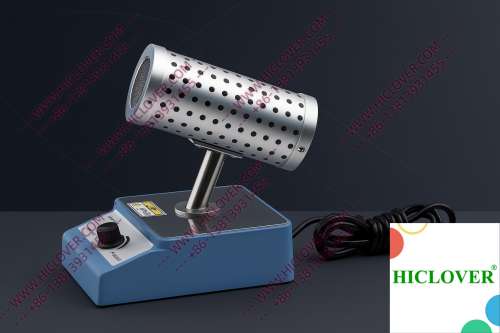
The Micro Incinerator operates on the principles of rapid thermal sterilization. Its ceramic heating chamber is designed to achieve high temperatures quickly, allowing efficient disinfection of inoculating loops, needles, and other laboratory tools without the use of flames. By employing infrared heat, it ensures that items are sterilized within seconds, making it an ideal alternative to traditional flame sterilizers such as alcohol lamps or Bunsen burners.
Unlike flame-based devices that can produce harmful aerosols and pose fire hazards, the Micro Incinerator offers aerosol-free handling and safe operation within clean bench environments. This makes it an optimal choice for BSL-2 and BSL-3 microbiology labs, clinical diagnostics, and teaching labs, where precision and safety are paramount.
Applications of Micro Incinerators in Diverse Lab Environments
1. Laboratory Biosafety Cabinets
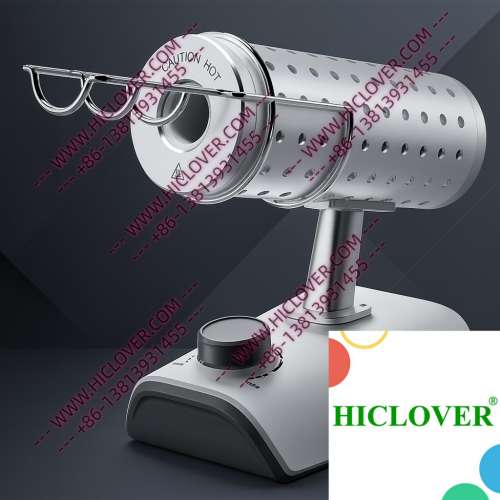
In a laboratory biosafety cabinet (BSC), the need for rigorous sterilization of instruments is vital. The Micro Incinerator can be integrated seamlessly into the workflows of technicians working with pathogenic strains or sensitive samples. Utilizing an infrared inoculating loop sterilizer in this setting effectively reduces the risk of contamination while maintaining sterility within the cabinet, allowing scientists to manipulate biohazardous materials with confidence.
2. Field Testing Laboratories
Micro Incinerators are also advantageous in mobile or field testing laboratories where space and accessibility are often limited. The compact design and ease of mobility of Micro Incinerators allow field technicians to perform sterilization on-site, ensuring that contamination control is maintained in environments where traditional flame sterilization may not be feasible. This is particularly impactful in rural testing initiatives, environmental monitoring, or emergency response scenarios.
Compliance and Environmental Standards
Adhering to the biosafety and sterilization protocols set forth by organizations such as the WHO is crucial for laboratory operations. The Micro Incinerator complies with international standards for laboratory sterilization, while its enclosed design minimizes the risk of fire hazards associated with open flames. In cleanroom environments, where even the smallest contaminants can disrupt experimental results, the absence of flame in these sterilizers ensures a safe and compliant workspace.
“Utilizing a Micro Incinerator not only enhances the workflow efficiency but also meets strict lab sterilization standards required in high-stakes environments.”
Advantages Over Traditional Flame Sterilizers
The shift from traditional flame sterilizers to micro incinerators is driven by multiple advantages:
- Reduced contamination risk: Infrared technology minimizes aerosols compared to flame sterilizers.
- Rapid sterilization: Achieves high temperatures quickly, cutting down on sterilization time.
- Compact design: Perfect for tight lab spaces, making it suitable for various setups.
- No open flame: Safer in cleanroom applications, reducing fire hazards.
Comparison Table: Micro Incinerator vs. Flame Burners
| Feature | Micro Incinerator | Flame Burners |
|---|---|---|
| Sterilization Time | Seconds | Minutes |
| Contamination Risk | Minimal | High |
| Ease of Use | Simple, plug-and-play | Requires knowledge of flame handling |
| Safety in Clean Rooms | Safe | Not recommended |
Frequently Asked Questions
What is a Micro Incinerator and how does it work?
A Micro Incinerator is a compact piece of laboratory equipment that uses infrared heat for rapid thermal sterilization of inoculating loops, needles, and other lab tools. It heats up quickly, sterilizing instruments in seconds without the use of open flames.
How is the Micro Incinerator more efficient than traditional methods?
Its rapid sterilization time, reduced risk of contamination, and design suitability for cleanroom environments make it far superior to traditional flame sterilizers.
Can I use a Micro Incinerator in a field lab setting?
Yes, the portable design and effective sterilization capabilities make it an excellent choice for mobile or field testing laboratories.
Is the Micro Incinerator compliant with WHO standards for lab usage?
Yes, it meets international biosafety and sterilization standards, improving safety and compliance in laboratory environments.
What types of laboratories benefit most from using the Micro Incinerator?
Micro Incinerators are particularly beneficial in BSL-2 and BSL-3 microbiology labs, clinical diagnostics, university teaching labs, and field testing labs.
Conclusion
As Saudi Arabia continues to experience an increase in laboratory demands, incorporating modern sterilization solutions such as the Micro Incinerator can significantly enhance biosafety practices. Its rapid, flame-free operation promotes contamination control while ensuring compliance with international standards. If your laboratory is looking into modernizing its sterilization approach, consider contacting us for recommendations or inquiries about our Micro Incinerator products—an investment for a safer, efficient future.
Categories:
Tags: