
In the rapidly evolving landscape of laboratory biosafety, efficiency in sterilization procedures has emerged as a critical challenge, especially in developing regions. Laboratories often grapple with the ramifications of inadequate sterilization methods, risking contamination and affecting overall research integrity. Micro Incinerators, particularly the Infrared Inoculating Loop Sterilizer, are revolutionizing laboratory sterilization, offering rapid and reliable solutions that cater to the specific demands of laboratory settings.
Understanding Micro Incinerators
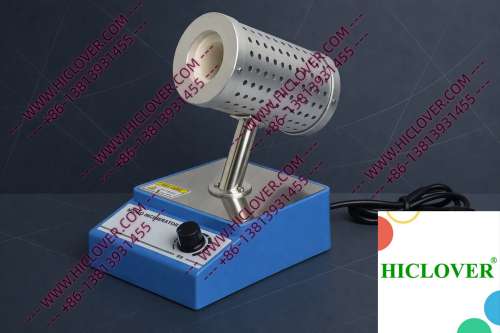
Micro Incinerators operate on the principle of rapid thermal sterilization, utilizing infrared heat to provide an efficient and effective means of sterilization. These devices consist of an enclosed ceramic tube, which houses a heating element that can achieve and maintain high temperatures safely. The critical advantage lies in their ability to sterilize inoculating loops and other laboratory tools without the use of an open flame. This avoids the risks associated with traditional flame sterilizers, such as the creation of aerosols and reduced visibility of the work area.
Technical Principles of Operation
The Micro Incinerator works through high-temperature infrared disinfection, reaching temperatures that effectively eliminate biological contaminants. Unlike traditional heat sources, the enclosed ceramic heating chamber minimizes the release of smoke or harmful particles. The precise control over temperature settings allows for a quick turnaround between uses, which is essential for laboratories that rely on rapid sterilization.
Application Scenarios in Laboratories
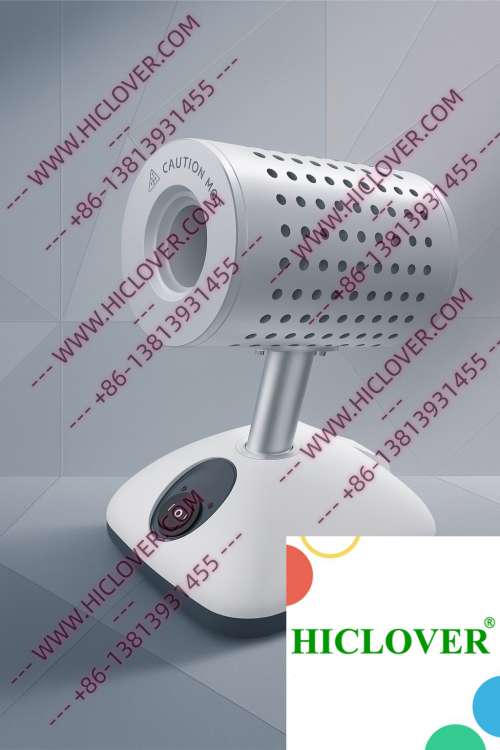
Micro Incinerators are versatile tools that find their applications in various settings:
- Biosafety Cabinets: In BSL-2 and BSL-3 microbiology labs, where safety and sterility are paramount, Micro Incinerators can be integrated into biosafety cabinets. They provide an aerosol-free handling environment, ensuring that lab personnel are not exposed to potential contaminants.
- Field Testing Laboratories: In the context of mobile or field testing laboratories, Micro Incinerators are invaluable. They allow for rapid sterilization of tools in remote locations, ensuring compliance with health and safety protocols despite limited resources.
- Teaching Labs: In university laboratories where sterilization is a common task for students, the simplicity and safety of Micro Incinerators make them an excellent teaching tool. Students can learn safe sterilization practices without the risks associated with traditional flame sources.
Compliance and Environmental Considerations
Adherence to recognized sterilization standards is crucial for laboratory operations. The World Health Organization (WHO) emphasizes the importance of proper biosafety protocols in health laboratories, aiming to reduce the risk of exposure to infectious agents. Additionally, laboratory sterilization standards mandate the elimination of flame-based methods in clean rooms.
Micro Incinerators stand out in this regard, as they align with WHO guidelines and stringent sterilization protocols. Their feature of producing no flame in clean environments ensures that they meet biosafety cabinet requirements, maintaining an unhindered clean airflow and minimizing contamination risks.
Benefits Over Traditional Flame Sterilizers
| Feature | Micro Incinerator | Flame Sterilizers |
|---|---|---|
| Safety | No open flame reducing risk of burns | Open flame risk of accidents and burns |
| Contamination Control | Aerosol-free handling | Aerosols can be produced during use |
| Operational Efficiency | Quick heating, ready in seconds | Requires time to ignite and stabilize |
| Cleanroom Suitability | Perfect for cleanroom environments | Not suitable for cleanrooms due to combustion |
Frequently Asked Questions
- What is the main advantage of using a Micro Incinerator compared to traditional methods?
The primary advantage is the enhanced safety and efficiency. Micro Incinerators eliminate the risks associated with open flames and provide rapid sterilization without generating aerosols. - Can a Micro Incinerator be used in field laboratories?
Yes, their portable design and efficient sterilization capability make them ideal for field settings, ensuring safe operations even in remote areas. - How do Micro Incinerators comply with biosafety standards?
Their design eliminates the open flames, which meets the requirements for sterilization set by organizations like WHO, making them suitable for cleanroom environments. - What laboratory tools can be sterilized using a Micro Incinerator?
The device is specifically designed for sterilizing inoculating loops, forceps, and glassware, among other lab tools. - Are Micro Incinerators suitable for teaching purposes in laboratories?
Absolutely! They are excellent for educational settings, allowing students to practice safe sterilization techniques without the hazards associated with flames.
Conclusion
In an era where laboratory sterilization needs are evolving, the Micro Incinerator stands out as a critical tool for achieving biosafety in laboratories, especially in developing regions. Its accolades of rapid sterilization, safety, and compliance with standards make it a must-have for laboratories striving for excellence. Whether for clinical diagnostics, teaching labs, or field testing, investing in a Micro Incinerator can profoundly enhance your operations. For inquiries or to make a purchase, please contact us today and explore how we can help elevate your laboratory practices.
Categories:
Tags: