
Laboratories face increasing challenges related to biosafety and sterilization workflow demands. The necessity for effective contamination control has become more pivotal, particularly amid the burgeoning waste crises in countries like Pakistan. Traditional sterilization methods, such as alcohol lamps and Bunsen burners, not only create an unsafe working environment but also produce hazardous waste. In this scenario, Micro Incinerators offer a promising solution that integrates efficiency, safety, and compliance with international biosafety standards.
Understanding Micro Incinerators
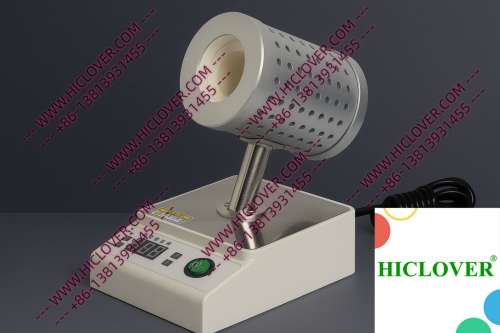
The Micro Incinerator, also known as the Infrared Inoculating Loop Sterilizer, employs advanced thermal sterilization technology. This equipment uses rapid thermal sterilization via infrared heat, which eliminates microorganisms effectively in a clean and controlled manner. The heart of the Micro Incinerator is the enclosed ceramic heating chamber that provides consistent and direct exposure to high temperatures without combustion byproducts.
This configuration assures that aerosols and flames are eliminated, making it a clean-bench-safe option for laboratories. It is particularly beneficial in environments where sterile techniques are paramount, such as in BSL-2 or BSL-3 microbiology labs, clinical diagnostics, and teaching labs at universities.
Applications in Laboratory Settings
Biosafety Cabinet Operations
In a biosafety cabinet, airflow is critical for maintaining aseptic conditions. Using a Micro Incinerator within this setup allows researchers to sterilize inoculating loops and other small instruments without exposing the workspace to harmful flames. It ensures that sterilization processes integrate seamlessly with the airflow dynamics of the cabinet, safeguarding against potential contamination.
Field Testing Labs
Field testing labs often work in changing environments where traditional methods of sterilization may not be feasible. The portability of a Micro Incinerator allows field technicians to perform rapid sterilization in outdoor settings without compromising biosafety. This is particularly helpful during disease outbreak investigations where quick responses are critical.
Compliance with International Standards
Adhering to internationally recognized biosafety and sterilization standards is essential for all laboratories operating in the context of global health. The World Health Organization (WHO) provides guidelines that emphasize the importance of sterilization methods that do not compromise the environment or laboratory personnel’s safety. The Micro Incinerator aligns with these guidelines, as it provides a flame-free, aerosol-free method for sterilization. This is especially important in clean rooms and environments with strict sterility protocols.
Moreover, unlike traditional flame sterilizers, Micro Incinerators minimize the risk of contamination, ensuring compliance with laboratory sterilization standards. This makes them indispensable in modern laboratory practices where precision and safety are non-negotiable.
Key Advantages of Micro Incinerators
When comparing Micro Incinerators to traditional flame sterilizers, the advantages become immediately clear:
- Rapid Thermal Sterilization: Significantly faster than flame methods.
- Contamination Control: No risk of aerosol generation.
- Energy Efficiency: Lower electricity consumption.
- Safety: Reduced fire hazards and safer for lab personnel.
- Compliance: Meets international biosafety standards.
Comparison Table: Micro Incinerator vs. Flame Burners
| Feature | Micro Incinerator | Flame Burners |
|---|---|---|
| Method of Sterilization | Infrared Heat | Open Flame |
| Contamination Risk | Low | High |
| Energy Usage | Low | High |
| Safety for Users | High | Moderate |
| Portability | High | Low |
Frequently Asked Questions
1. What is the main advantage of using a Micro Incinerator in labs?
The Micro Incinerator provides rapid and safe sterilization without generating aerosols or flames, making it ideal for maintaining a sterile environment.
2. Can Micro Incinerators be used in field testing scenarios?
Yes, their portability and effective sterilization capabilities make them suitable for use in mobile or outdoor testing labs.
3. How do Micro Incinerators ensure compliance with biosafety standards?
Micro Incinerators adhere to strict international biosafety and laboratory sterilization standards, reducing contamination risks and enhancing safety.
4. Are Micro Incinerators cost-effective compared to traditional sterilizers?
Yes, they offer long-term savings through energy efficiency and by reducing the need for consumables such as alcohol.
5. In which types of laboratories are Micro Incinerators most beneficial?
They are particularly beneficial in BSL-2 and BSL-3 microbiology labs, clinical diagnostics, and educational settings for teaching sterile techniques.
Conclusion
As Pakistan grapples with an escalating waste crisis, adopting innovative sterilization solutions like Micro Incinerators can significantly enhance laboratory efficiency and biosafety. Their advanced technology not only meets the contemporary needs of laboratories but also aligns with international health standards. For laboratories looking to advance their sterilization workflow, investing in Micro Incinerators is a decision that aligns with both environmental stewardship and operational excellence. For more information or to make an inquiry about our Micro Incinerator products, please don’t hesitate to reach out today!
Categories:
Tags: