
As Kenya faces a burgeoning waste crisis, the impact of inadequate waste management on public health and the environment cannot be overlooked. In laboratory settings, particularly those handling biological materials, the biosafety challenges related to waste disposal and sterilization demand immediate and effective solutions. Enter micro incinerators, specifically designed for rapid thermal sterilization. These devices, such as the Micro Incinerator or Infrared Inoculating Loop Sterilizer, serve as essential tools in modern laboratories, enabling efficient sterilization processes while addressing the need for sustainable waste management solutions.
Understanding Micro Incinerators: Technical Principles and Configurations
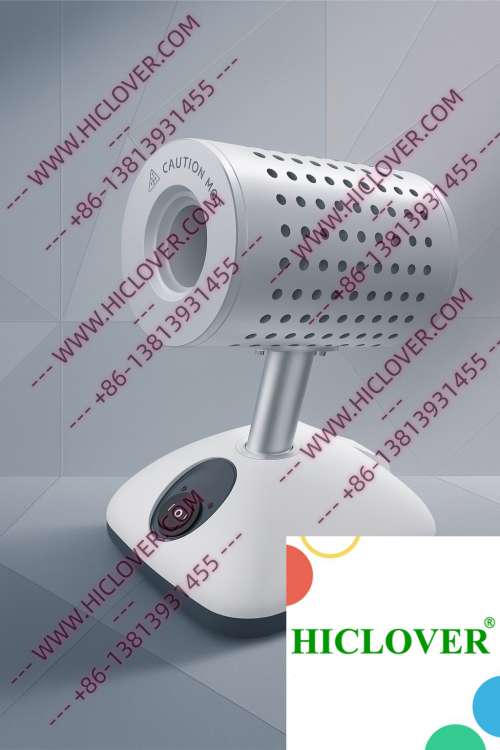
Micro incinerators utilize infrared heat technology, which allows for precise temperature control and efficient disinfection. Central to these devices is an enclosed ceramic tube that generates high temperatures, achieving sterilization without the hazards associated with traditional flame equipment. Unlike Bunsen burners or alcohol lamps, which pose risks of open flames and require constant supervision, micro incinerators offer a safe alternative for contamination control.
The infrared inoculating loop sterilizer, for instance, is designed with a compact footprint, ideal for laboratory biosafety cabinets where space is limited. Additionally, its ceramic heating chamber provides an even heat distribution, ensuring that instruments are rapidly and uniformly sterilized, thus maximizing workflow efficiency.
Applications in Real Laboratory Settings
- Biosafety Cabinet Use: In BSL-2 and BSL-3 laboratories, the control of biohazardous materials is paramount. Micro incinerators fit seamlessly within biosafety cabinets, allowing researchers to sterilize inoculating loops and other tools while minimizing the risk of environmental contamination.
- Field Testing Scenarios: In mobile or field testing labs, where access to electricity may be limited, micro incinerators still provide reliable performance. By utilizing portable versions, health workers can easily sterilize samples and equipment on-site, thus ensuring safe handling and transportation of potentially hazardous materials.
- Teaching Laboratories: Micro incinerators are increasingly being adopted by universities for educational programs in microbiology. Students benefit from hands-on experience using safe, flame-free sterilization techniques, preparing them for the realities of laboratory work.
- Increased Safety: With no open flames, the risk of fire hazards is significantly reduced.
- Efficient Sterilization: The rapid thermal sterilization process ensures quick and effective disinfection of instruments.
- Reduced Contamination Risk: Closed systems minimize the possibility of aerosols, enhancing laboratory cleanliness.
- Sustainability: The efficient burning of waste reduces environmental impact and supports compliance with national and international guidelines.
Compliance Considerations: Meeting International Standards
Adhering to international biosafety standards such as those outlined by the World Health Organization (WHO) is crucial for laboratories worldwide. Micro incinerators help laboratories comply with sterilization mandates, as they can provide efficient, high-temperature disinfection that aligns with lab sterilization standards. Moreover, these devices facilitate clean-bench-safe operations, eliminating the need for open flames in sensitive environments where contamination control is critical.
Comparison of Compliance:
| Feature | Micro Incinerator | Flame Burners |
|---|---|---|
| Biosafety | High | Moderate |
| Temperature Control | Precise | Variable |
| Operational Safety | Safe (no open flames) | Risky (flammable materials) |
| Environmental Impact | Low (efficient waste burning) | Moderate (higher emissions) |
Micro Incinerators vs. Traditional Flame Sterilizers: Advantages
Micro incinerators offer several compelling advantages over traditional flame sterilizers:
Frequently Asked Questions
1. What is the average temperature achieved by a micro incinerator?
The typical working temperature of micro incinerators exceeds 800°C (1472°F), providing rapid sterilization.
2. Can micro incinerators be used in BSL-3 labs?
Yes, micro incinerators are designed to meet strict biosafety requirements, making them suitable for BSL-3 laboratory operations.
3. Do micro incinerators consume more energy than flame sterilizers?
No, micro incinerators are designed for energy efficiency, often consuming less energy than traditional flame-based methods.
4. Are there any maintenance requirements for micro incinerators?
Routine checks are recommended to ensure optimal performance, but they generally require less maintenance than traditional burners.
5. Where can I purchase a micro incinerator for my laboratory?
Various suppliers and distributors across Kenya and globally offer micro incinerators tailored for different laboratory needs. Contact a local lab equipment specialist for more information.
Conclusion: Emphasizing Sustainability and Efficiency
As Kenya confronts its waste management challenges, the adoption of micro incinerators can offer significant improvements in laboratory biosafety and sterilization workflows. The advantages of utilizing micro incinerators over traditional flame sterilizers are clear: safety, efficiency, and compliance with international standards. If your laboratory is ready to embrace advanced sterilization solutions, consider investing in a micro incinerator today. For inquiries and purchases, please contact your trusted laboratory equipment supplier for tailored solutions that fit your specific needs.
Categories:
Tags: