
As laboratories strive for excellence in biosafety practices, the demand for effective sterilization methods is at an all-time high. In environments where contamination control is critical, the limitations of traditional flame sterilizers—like alcohol lamps and Bunsen burners—become apparent. Researchers and students alike face practical challenges in maintaining sterile conditions while adhering to stringent safety protocols. Enter the Micro Incinerator, an innovative sterilization solution that promises rapid thermal sterilization and a host of advantages over conventional methods.
Understanding the Technical Principles of Micro Incinerators
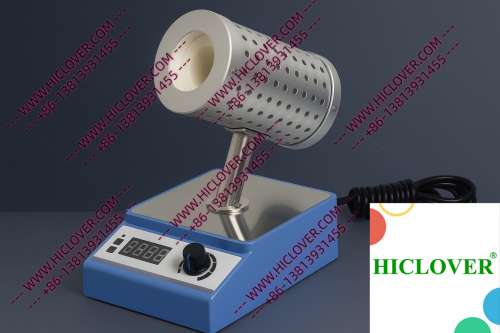
The Micro Incinerator operates on the principles of infrared heat, utilizing a ceramic heating chamber that reaches temperatures high enough to ensure complete disinfection of inoculating loops and other instruments. The design features an enclosed ceramic tube, which not only concentrates heat but also minimizes the risk of aerosol generation, making it suitable for use in clean environments.
This technology not only ensures effective sterilization but also enhances laboratory workflow by providing a clean-bench-safe solution, allowing for aerosol-free handling of samples. The ability to quickly sterilize instruments without the need for an open flame makes Micro Incinerators particularly appealing in sensitive laboratory settings.
Application Scenarios in Real-World Labs
Biosafety Cabinets
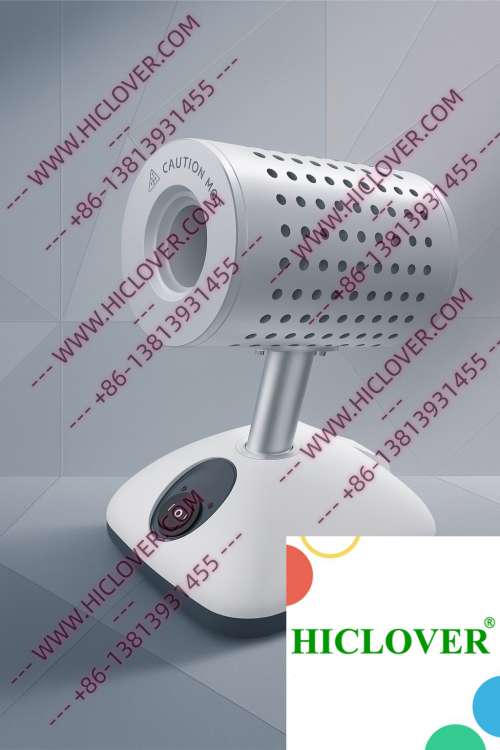
Micro Incinerators are particularly valuable in BSL-2 and BSL-3 microbiology labs where the control of biological hazards is paramount. Within a biosafety cabinet, researchers can safely sterilize inoculating loops and other equipment without risk of contamination or exposure. The rapid turnaround provided by these devices allows scientists to maintain productivity without sacrificing safety.
University Teaching Labs
In educational environments, Micro Incinerators serve as an essential tool in teaching labs, providing students with hands-on experience in sterilization techniques. The safety features of these devices ensure that students can focus on their experiments without the distractions and hazards of flame-based sterilization, thus fostering a better learning experience.
Compliance with Global Biosafety Standards
Adhering to international biosafety guidelines is crucial for laboratories across the globe. Organizations such as the WHO have laid out rigorous standards for laboratory sterilization. In particular, cleanroom protocols dictate that open flames must be avoided to prevent contamination.
The Micro Incinerator’s design aligns with these regulations, providing a reliable method for thermal disinfection without the risks associated with flames. This compliance makes it an ideal choice for facilities looking to enhance their biosafety measures while maintaining efficiency.
Comparison with Traditional Flame Sterilizers
| Feature | Micro Incinerator | Flame Sterilizer |
|---|---|---|
| Heat Source | Infrared | Open Flame |
| Aerosol Generation | None | High |
| Operational Safety | High | Medium |
| Speed of Sterilization | Rapid | Moderate |
| Energy Consumption | Low | High |
Frequently Asked Questions
- What are the primary applications for Micro Incinerators? Micro Incinerators are used in microbiology labs, teaching labs, and field testing applications to ensure effective sterilization.
- How do Micro Incinerators improve laboratory safety? They minimize the risk of aerosol generation and contamination associated with open flame sterilization methods.
- Are Micro Incinerators compliant with international biosafety standards? Yes, they align with WHO biosafety guidelines and cleanroom protocols.
- What is the sterilization time for a Micro Incinerator? Typically, sterilization takes only a few seconds, significantly improving laboratory efficiency.
- Can Micro Incinerators be used in field testing? Yes, their compact and portable design makes them suitable for field applications as well.
Conclusion
The advancement of laboratory sterilization technology is critical in addressing biosafety challenges faced by modern researchers. With their capabilities for rapid thermal sterilization and compliance with stringent safety protocols, Micro Incinerators represent a sustainable solution for laboratories worldwide. Whether in university teaching labs, BSL-2 and BSL-3 environments, or mobile field testing units, the benefits are clear. For those looking to elevate their sterilization practices, consider reaching out to discuss how Micro Incinerators can enhance your laboratory’s safety and efficiency.
Categories:
Tags: