
In today’s fast-paced laboratory environment, the challenges of maintaining biosafety standards while ensuring effective sterilization cannot be underestimated. Laboratories are increasingly focused on enhancing their sterilization workflows, particularly in sectors where contamination control is paramount. The rising demand for robust sanitation solutions has led to the exploration of advanced technologies, including micro incinerators, specifically Infrared Inoculating Loop Sterilizers. These devices are pivotal in laboratories, particularly when used in various scenarios such as BSL-2/BSL-3 microbiology labs, clinical diagnostics, and educational settings.
Technical Principles of Micro Incinerators
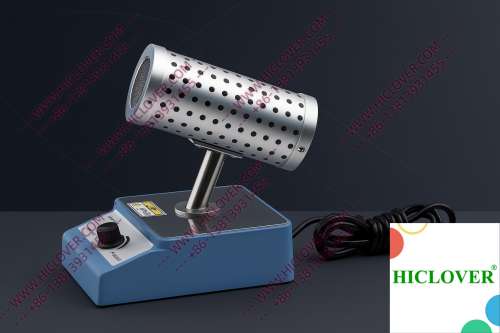
Micro incinerators operate on the principle of rapid thermal sterilization using infrared heat. Unlike traditional flame-based sterilizers such as alcohol lamps or Bunsen burners, these devices utilize a ceramic heating chamber that radiates infrared energy, allowing for high-temperature disinfection without the inherent risks associated with open flames.
The enclosed ceramic tube design ensures that the sterilization process is not only efficient but also safe, as it minimizes the risk of aerosol production and contamination during procedures. The high precision of the heating elements allows researchers to achieve an optimal sterilization temperature, resulting in effective microbial destruction within seconds.
Applications in Laboratories
Micro incinerators find a broad array of applications in modern laboratories. Here are two distinct scenarios demonstrating their utility:
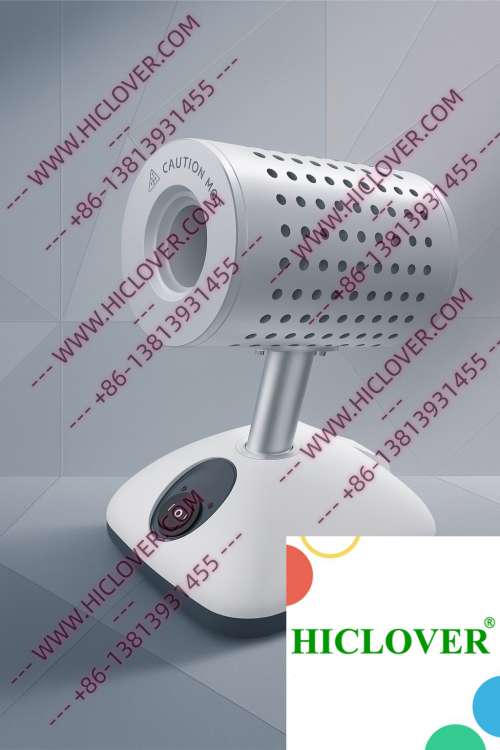
- Biosafety Cabinets: In settings such as BSL-2 laboratories, where biohazardous materials are handled, micro incinerators provide a clean and safe method to sterilize inoculating loops and other instruments without the risk of flame-induced fire hazards. Their compact size is suitable for integration into biosafety cabinets, promoting a streamlined workflow and improving safety.
- University Teaching Labs: In academic settings, where practical demonstrations of microbiology principles are essential, micro incinerators are invaluable. They allow students to learn about sterilization techniques hands-on without the safety concerns associated with traditional flame sterilizers. Instructors can confidently incorporate them into lesson plans, knowing they are compliant with safety standards.
Compliance and Environmental Considerations
Compliance with laboratory sterilization standards is crucial for any lab-focused entity. The World Health Organization (WHO) recommends strict protocols surrounding biosafety practices, especially in laboratories engaging with infectious agents. Micro incinerators play a significant role in adhering to these standards by offering a clean-bench-safe operational mode, thereby supporting aerosol-free handling and reducing the potential for environmental contamination.
The use of micro incinerators eliminates the reliance on flammable substances in clean environments, addressing key issues often faced in compliance audits concerning flammable gases and vapors. This capability is particularly important in labs handling sensitive biosamples or working within CO₂ incubators and anaerobic chambers.
Comparison of Micro Incinerators vs. Traditional Flame Sterilizers
| Feature | Micro Incinerator | Flame Sterilizers |
|---|---|---|
| Temperature Control | Highly stable and rapid | Often variable and less controllable |
| Safety | Flame-free operation | Risk of burns and fires |
| Aerosol Production | Negligible | Significant, increases contamination risk |
| Portability | Compact and easy to transport | Less portable, depending on fuel sources |
FAQs about Micro Incinerators
- What is a micro incinerator?
A micro incinerator is a sterilization device that uses infrared heating technology to rapidly and effectively sterilize inoculating loops and other laboratory tools without the use of an open flame. - How does the infrared sterilization process work?
The infrared heating element generates high temperatures that quickly kill microorganisms, ensuring a rapid and thorough sterilization process while preventing aerosol contamination. - Can I use a micro incinerator in a biosafety cabinet?
Yes, micro incinerators are designed to fit within biosafety cabinets, making them ideal for safe sterilization in biocontainment environments. - Are micro incinerators compliant with international sterilization standards?
Micro incinerators typically comply with WHO and local biosafety standards, internalizing practices that enhance laboratory safety and efficacy. - What are the maintenance requirements for micro incinerators?
Regular checks of the heating elements and cleaning of the ceramic chamber help maintain optimal functionality—as well as overall safety and efficiency.
Conclusion
In a world that demands efficiency, safety, and compliance in laboratory practices, micro incinerators emerge as a sustainable solution for modern waste management and sterilization needs. Their innovative design and functionality make them an integral part of effective lab operations.
For those managing clinical diagnostics, university teaching labs, or field testing operations, investing in a micro incinerator can significantly improve your sterilization workflow while ensuring adherence to rigorous biosafety standards. Contact us to learn more about how our micro incinerators can enhance your lab’s efficiency and safety.
Categories:
Tags: