
Laboratories play a crucial role in maintaining public health and advancing scientific research, yet the biosafety challenges they face are ever-evolving. Specifically, in South Korea, the growing waste crisis requires effective solutions not only to manage waste but also to ensure laboratory sterilization workflows remain efficient and safe. This is where micro incinerators enter the scene, providing a sustainable method for waste management and sterilization.
Understanding the Micro Incinerator
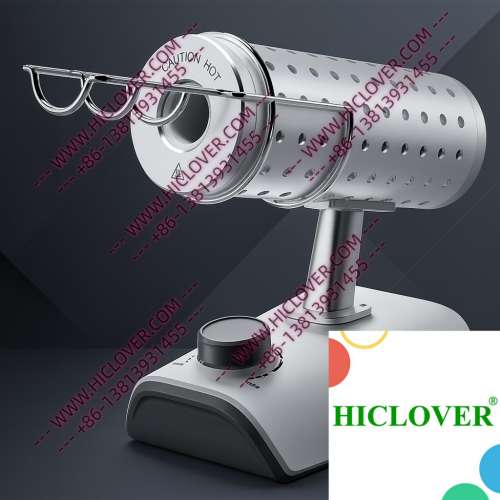
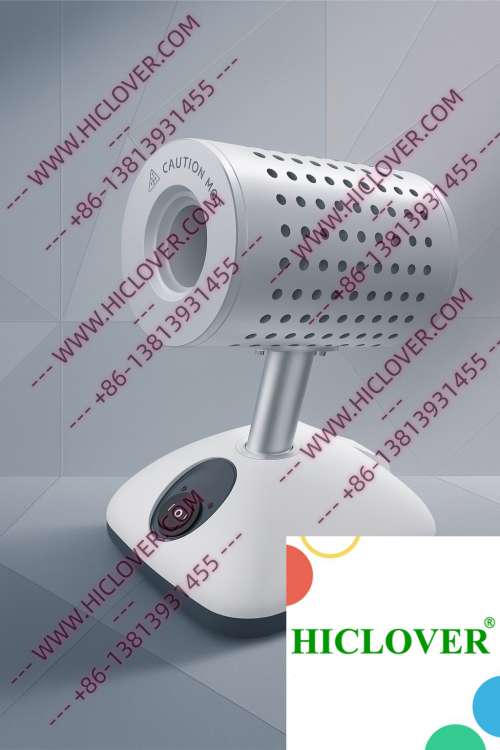
A micro incinerator, or infrared inoculating loop sterilizer, utilizes rapid thermal sterilization to eliminate contaminants effectively. The device is specifically designed to deliver high temperatures through an enclosed ceramic heating chamber, which heats up instantly and maintains a steady temperature. This system is particularly advantageous because it eliminates the need for open flames, reducing the risk of fire hazards in laboratories.
Comparison: Micro Incinerator vs. Traditional Flame Sterilizers
| Feature | Micro Incinerator | Traditional Flame Sterilizer |
|---|---|---|
| Heating Method | Infrared heating | Open flame (Bunsen burner) |
| Safety | No flame; cleaner operation | Fire hazard; risk of aerosols |
| Speed | Instant heating | Requires ignition time |
| Waste Management | Eliminates waste effectively | Combustion leaves residues |
| Cleanroom Compatibility | Safe for clean rooms | Not suitable for clean environments |
Real-World Applications in Laboratories
- Biosafety Cabinets: In microbiological laboratories working under BSL-2 and BSL-3 conditions, micro incinerators play a critical role in ensuring adequate contamination control. Their enclosed sterilization helps protect lab personnel from hazardous biological agents while ensuring instruments remain sterile.
- Field Testing Labs: For mobile testing units engaged in environmental analysis or clinical diagnostics, compact micro incinerators enable sterilization on-site. This reduces the logistical burden of transporting sterilized tools and allows immediate sampling without contamination risks.
Compliance and Environmental Standards
The implementation of micro incinerators in laboratory environments aligns with strict biosafety and sterilization standards set forth by organizations like the World Health Organization (WHO). These devices are designed to operate safely within clean rooms, eliminating risks associated with open flames and allowing for aerosol-free handling. Furthermore, they meet various lab sterilization guidelines, making them suitable for applications in universities and research centers across South Korea.
Advantages of Micro Incinerators
Moreover, micro incinerators offer several advantages over traditional flame sterilizers:
- Enhanced safety and reduced fire hazards.
- Rapid thermal sterilization without the need for cooling periods.
- Meets strict lab safety protocols, making them suitable for use in high-stakes environments.
- Environmental sustainability by minimizing waste and emissions.
Key Considerations for Laboratory Leaders
As the demand for innovative sterilization solutions grows, especially in cities like Seoul, the transition toward environmentally friendly technologies is imperative. Understanding the capabilities and specifications of micro incinerators can significantly enhance the operational efficiency of labs.
Frequently Asked Questions
What is a micro incinerator used for?
A micro incinerator is primarily used for sterilizing inoculating loops, pipettes, and other laboratory instruments, ensuring they are free from microbes before use.
How does the micro incinerator differ from a traditional Bunsen burner?
Unlike a Bunsen burner, which uses an open flame, a micro incinerator employs infrared heating, providing faster, safer, and more efficient sterilization without the risks associated with flames.
Are micro incinerators environmentally friendly?
Yes, micro incinerators help reduce waste and environmental impact by efficiently sterilizing and incinerating waste materials without leaving harmful residues or emissions.
Can micro incinerators be used in cleanroom applications?
Absolutely, micro incinerators operate effectively in cleanrooms, ensuring sterilization processes comply with stringent lab safety standards.
What are the safety features of a micro incinerator?
Micro incinerators include features such as automatic shut-off, enclosed heating elements, and rapid thermal regulation to enhance safety and minimize risks during sterilization procedures.
Conclusion
As laboratory sterilization needs evolve, micro incinerators present a solid solution to waste management and sterilization challenges in South Korea. Their operational efficiency, safety features, and compliance with biosafety standards make them an essential tool for modern laboratories. If you’re poised to upgrade your sterilization practices, consider contacting us for information on acquiring a micro incinerator that meets your laboratory’s needs.