
In today’s laboratories, biosafety challenges and stringent sterilization workflow demands define operational efficiency. The need for effective sterilization techniques is paramount, particularly in environments such as BSL-2 and BSL-3 microbiology labs where contamination control is vital. Micro incinerators, specifically designed as infrared inoculating loop sterilizers, have recently emerged as a sustainable and innovative solution to meet these challenges.
Understanding the Principles of Micro Incinerators
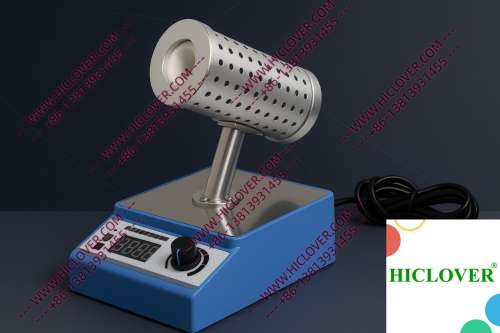
The micro incinerator operates on the principle of rapid thermal sterilization through infrared heat. Unlike traditional flame sterilizers like alcohol lamps or Bunsen burners, these devices utilize an enclosed ceramic heating chamber that achieves and maintains high temperatures without the open flame hazards associated with conventional methods. The infrared technology allows for quick disinfection while minimizing aerosol generation, making it ideal for clean-bench-safe operations.
Technical Configuration of Micro Incinerators
- Infrared Heat Source: Generates high temperatures efficiently, reducing sterilization time.
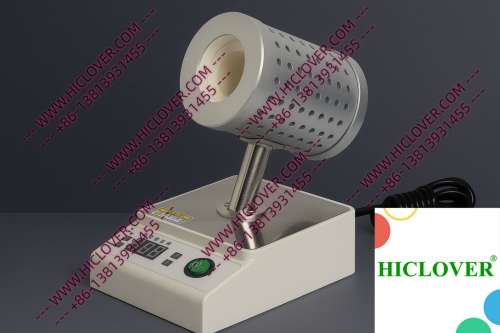
- Enclosed Ceramic Tube: Provides enhanced safety and focused heating, preventing the risk of burns or flare-ups.
- Compact Design: Easily fits within biosafety cabinets and teaching lab setups.
- Energy Efficient: Consumes less energy compared to traditional flame-based options, benefitting both the environment and operational costs.
- What is a micro incinerator?
A micro incinerator is a sterilization device that utilizes infrared heat for rapid thermal sterilization, ensuring effective disinfection of laboratory tools without the risks associated with open flames.
- How does it compare to traditional sterilization methods?
Compared to traditional methods like Bunsen burners, micro incinerators are safer, more efficient, and generate less aerosol, making them suitable for high-standards labs.
- Can a micro incinerator be used in clean rooms?
Yes, micro incinerators are designed to operate in clean room environments, adhering to safety standards and minimizing contamination risks.
- What are the key benefits of using a micro incinerator in academic labs?
Micro incinerators enhance safety, improve sterilization efficiency, and provide an effective teaching tool for students, all while controlling contamination risks.
- Is there any specific training required for using a micro incinerator?
While user-friendly, it is recommended that laboratory staff undergo training to ensure optimal use and adherence to safety protocols.
Real Lab Application Scenarios
The versatility of micro incinerators is displayed in various laboratory scenarios. Here are two practical applications illustrating their effectiveness:
Application 1: Biosafety Cabinet Operations
In a BSL-2 laboratory, where the risk of contamination is significant, micro incinerators serve as essential sterilization tools. During microbial culture work, researchers utilize these devices within biosafety cabinets to sterilize inoculating loops and other tools. The quick thermal sterilization feature allows for rapid turnaround, which is critical during high-throughput workflows. This not only enhances productivity but also adheres to the strict contamination control required in modern biosafety labs.
Application 2: University Teaching Labs
In educational settings, particularly university teaching labs, the micro incinerator plays a crucial role in providing hands-on microbial technique training. Students learn the importance of sterility while using this safe and efficient model. The elimination of open flames minimizes the risk of accidents, creating a more conducive learning environment. Furthermore, instructors can demonstrate effective sterilization practices without the worries associated with using traditional flame-based methods.
Compliance and Environmental Responsibility
In the realm of laboratory sterilization, adherence to compliance standards is non-negotiable. Regulatory bodies such as the World Health Organization (WHO) and various national laboratory sterilization standards advocate for the use of technologies that minimize risk and environmental impact. Micro incinerators align with these guidelines by offering flame-free sterilization that avoids the production of hazardous aerosols, thereby maintaining laboratory integrity and safety.
Furthermore, the compact and energy-efficient design of these devices contributes to a reduced carbon footprint, making them an environmentally sustainable choice for modern laboratories across the USA.
Comparative Analysis: Micro Incinerator vs. Traditional Flame Burners
| Feature | Micro Incinerator | Traditional Flame Burners |
|---|---|---|
| Heating Method | Infrared | Open Flame |
| Safety | High (no flame risk) | Moderate to Low (fire hazards) |
| Aerosol Risk | Minimal | High |
| Energy Efficiency | High | Variable |
| Operational Environments | BSL-2, Clean Rooms | General Lab Use |
Frequently Asked Questions
Conclusion
Micro incinerators are among the most effective solutions for urban waste challenges in modern laboratories, particularly for sterilization needs within the USA. Their efficiency, safety, and environmental sustainability make them an essential addition to any laboratory setup. If you’re interested in enhancing your laboratory’s sterilization capabilities, do not hesitate to contact us or request a quote for our top-of-the-line Infrared Inoculating Loop Sterilizers.
Categories:
Tags: