
In the realm of laboratory work, particularly in microbiology and clinical diagnostics, sterilization is paramount. The growing complexity of biosafety challenges necessitates efficient and effective solutions, especially in regions like Mexico, where waste disposal and contamination control are emerging crises. One innovative response is the Micro Incinerator, specifically designed for rapid thermal sterilization. Its efficacy not only addresses sterilization demands but also contributes to environmentally sustainable practices.
The Technical Principle Behind Micro Incinerators
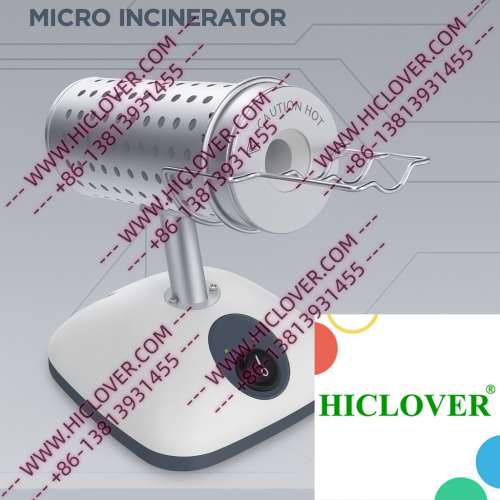
Micro Incinerators, like the Infrared Inoculating Loop Sterilizer, operate on advanced principles of infrared heat and enclosed ceramic tube technology. Unlike conventional flame sterilizers such as alcohol lamps or Bunsen burners, which may generate harmful aerosols and pose risks in clean environments, the Micro Incinerator utilizes high-temperature infrared radiation to achieve rapid thermal disinfection. The sealed ceramic heating chamber allows for precise temperature control and provides a clean, flame-free environment essential for sensitive laboratory settings.
Applications of Micro Incinerators in Diverse Laboratory Settings
Micro Incinerators find diverse applications across various laboratory environments:
- Biosafety Cabinets: In BSL-2 and BSL-3 labs, Micro Incinerators ensure that inoculating loops, needles, and other equipment can be sterilized without the risk of flame-induced contamination. The compact design facilitates easy integration into workflow protocols.
- Field Testing: For mobile laboratories conducting field testing, particularly in remote areas, the Micro Incinerator provides a portable and reliable sterilization option. It minimizes waste and risk of contamination in outdoor environments, enabling researchers to maintain high biosafety standards without relying on traditional methods.
- University Teaching Labs: In educational institutions, the Micro Incinerator serves as a crucial tool for teaching laboratory safety and proper sterilization techniques. Students learn the importance of contamination control while using a device that avoids the disadvantages of open flames.
- Elimination of open flame hazards, improving personnel safety.
- Reduction of aerosols and smoke emissions, crucial for compliance in clean environments.
- Efficient handling of biohazardous waste, supporting sustainable practices.
- What is a Micro Incinerator used for?
-
A Micro Incinerator is primarily used for sterilizing inoculating loops, needles, and other lab equipment efficiently, ensuring contamination control.
- How does infrared heat work in sterilization?
-
Infrared heat penetrates the surface of materials, providing rapid and effective thermal sterilization without the risks associated with open flames.
- Are Micro Incinerators safe for use in clean rooms?
-
Yes, Micro Incinerators are designed to be clean-bench-safe, eliminating the hazards presented by traditional flame sterilizers.
- Why are Micro Incinerators preferable over flame-based sterilizers?
-
Micro Incinerators provide superior contamination control, enhanced safety, and environmentally responsible waste management.
- Can Micro Incinerators be used for field testing?
-
Absolutely. Their portable design and efficiency make them ideal for field testing scenarios, where traditional sterilization methods may be impractical.
Compliance with Global Biosafety Standards
Adhering to established laboratory sterilization standards is vital for maintaining safety and compliance. The World Health Organization (WHO) and other regulatory bodies endorse the adoption of flame-free sterilization techniques in settings such as clean rooms and laboratories dealing with infectious agents. The use of Micro Incinerators aligns with these guidelines, providing:
In Mexico, where environmental issues and waste management are pressing concerns, utilizing Micro Incinerators not only aligns with scientific best practices but also contributes to the country’s sustainability goals. The transition towards advanced sterilization equipment can significantly alleviate the waste crisis by minimizing the potential for infectious waste spread and pollution.
Comparative Analysis: Micro Incinerators vs. Traditional Flame Burners
| Feature | Micro Incinerator | Flame Burners (Alcohol Lamp, Bunsen Burner) |
|---|---|---|
| Source of Heating | Infrared Heat | Open Flame |
| Risk of Contamination | Minimal | High |
| Portability | Highly Portable | Less Portable |
| Environmental Impact | Eco-Friendly | Smoke and Aerosols |
| Operational Safety | High | Moderate |
Frequently Asked Questions
Conclusion: Embrace the Future of Laboratory Sterilization
In summary, Micro Incinerators represent a progressive shift in laboratory sterilization practices, addressing the needs of modern labs while contributing to Mexico’s sustainability goals. Their application in various laboratory settings, adherence to biosafety compliance, and superior performance compared to traditional flame sterilizers make them an optimal choice. By investing in reliable and safe sterilization equipment, laboratories can significantly enhance their operational efficiency.
Contact us today to discover how the Micro Incinerator can transform your sterilization process and contribute to a safer, more sustainable future.
Categories:
Tags: