
Laboratories in Qatar and around the globe are increasingly faced with profound biosafety challenges, particularly in sterilization workflows. Efficient and effective sterilization of inoculating loops and other lab equipment is critical to maintaining a contamination-free environment. Enter the Micro Incinerator, a significant advancement in laboratory sterilization equipment that meets these needs while contributing to sustainability efforts in waste management.
Technical Principles of Micro Incinerators
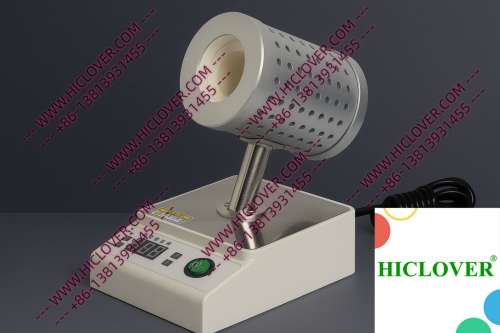
The Micro Incinerator operates on the principle of rapid thermal sterilization. Utilizing infrared heat generated within an enclosed ceramic heating chamber, it ensures high-temperature disinfection without the use of open flames. This technology allows for efficient sterilization of inoculating loops, glass slides, and other lab tools, drastically reducing the risk of airborne contamination. The enclosed design ensures that particles and aerosols are contained, making it a preferred option in biosafety cabinets and cleanroom environments.
Key Features of Micro Incinerators
- Infrared high-temperature disinfection for quick sterilization
- Enclosed ceramic tube design for aerosol-free handling
- Compact size ideal for various lab settings
- Easy-to-operate controls for efficient workflow
- Reduced environmental impact compared to traditional flame sterilizers
Applications in Laboratory Environments
Micro Incinerators are versatile and serve various applications, particularly in BSL-2 and BSL-3 microbiology labs, clinical diagnostics, and university teaching labs.
Scenario One: High-Safety Biosafety Cabinets
In biosafety cabinets, where maintaining a sterile environment is paramount, the Micro Incinerator provides an essential tool for sterilizing inoculating loops. Operated without a flame, it eliminates the risk of igniting volatile materials present in biological samples, allowing researchers to handle pathogens with confidence.
Scenario Two: Field Testing Laboratories
Field testing labs often face the challenge of sterilizing equipment on-the-go. The lightweight and portable design of the Micro Incinerator makes it an ideal solution for environmental testing, ensuring that equipment remains contamination-free even in remote locations. With its battery-operated variants, researchers can rely on rapid thermal sterilization in any situation without the need for electricity or external power sources.
Compliance and Environmental Considerations
Adhering to WHO biosafety standards and laboratory sterilization requirements is crucial for laboratories in Qatar and elsewhere. The Micro Incinerator meets regulations more efficiently than traditional alcohol lamps or Bunsen burners, especially in cleanroom environments. These environments often prohibit open flames due to the risk of ignition, making an enclosed sterilizer not merely advantageous but necessary.
The Micro Incinerator has redefined the standard of safety in laboratories, allowing compliance with the strictest biosafety regulations while minimizing environmental impact.
Micro Incinerator vs. Flame Sterilizers
| Feature | Micro Incinerator | Flame Sterilizers |
|---|---|---|
| Heat Source | Infrared | Open Flame |
| Aerosol Control | Enclosed | Uncontained |
| Safety in Clean Rooms | Compliant | Non-Compliant |
| Speed of Sterilization | Rapid | Variable |
| Environmental Impact | Lower | Higher |
FAQs About Micro Incinerators
1. How does a Micro Incinerator differ from traditional sterilization methods?
The Micro Incinerator uses infrared technology for sterilization, eliminating the need for an open flame, which provides a safer and more environmentally-friendly approach compared to traditional methods like Bunsen burners.
2. Can I use the Micro Incinerator in a cleanroom?
Yes, the enclosed design of the Micro Incinerator makes it compliant with cleanroom standards, as it prevents the release of aerosols and contaminants.
3. What types of laboratories benefit from using Micro Incinerators?
Micro Incinerators are beneficial for BSL-2 and BSL-3 labs, clinical diagnostics, mobile field testing labs, and educational settings, enhancing sterilization processes across the board.
4. How do I maintain a Micro Incinerator?
Regular cleaning of the ceramic chamber and checking for any wear or damage will help maintain your Micro Incinerator. Always follow the manufacturer’s maintenance guidelines for optimal performance.
5. Is there a warranty on the Micro Incinerator?
Typically, manufacturers offer warranties. Check the specific warranty details with your supplier to understand the coverage and duration.
Conclusion
The Micro Incinerator is not just an innovation in laboratory sterilization but a sustainable solution to waste management challenges in Qatar and beyond. As laboratories strive for greater biosafety compliance and environmental stewardship, this advanced sterilization equipment stands out as an essential investment. If you’re interested in enhancing your laboratory’s sterilization processes while prioritizing cleanliness and safety, explore purchasing options for a Micro Incinerator today!
Categories:
Tags: