
In the ever-evolving landscape of laboratory biosafety, the challenges faced by professionals in sterilization workflows demand immediate and efficient solutions. Traditional flame-based sterilizers like Bunsen burners and alcohol lamps, while commonly used, pose significant risks such as aerosol generation, contamination control issues, and inefficient heat distribution. As laboratories in Thailand and beyond seek cutting-edge alternatives, the Micro Incinerator—specifically the Infrared Inoculating Loop Sterilizer—emerges as a competent solution, promising safety and efficacy in various settings.
Technical Principles of Micro Incinerators
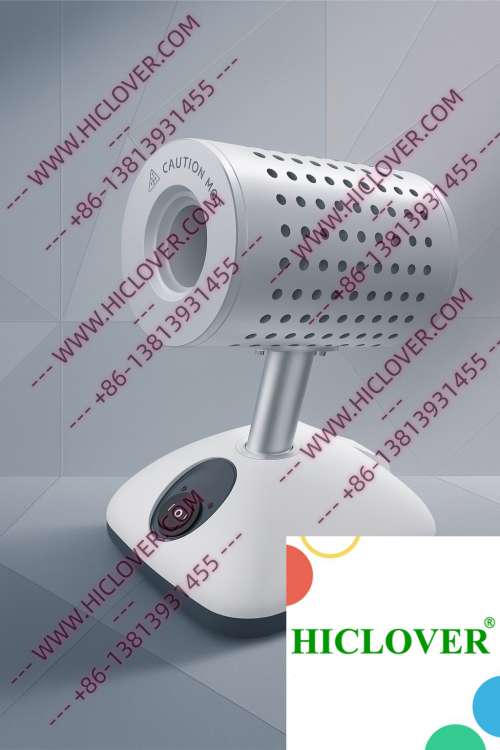
The Micro Incinerator operates on the principle of rapid thermal sterilization using infrared heat, which provides controlled and consistent high temperatures required to eliminate microbial contaminants. The design features an enclosed ceramic heating chamber that efficiently directs heat towards the loop, ensuring that the inoculating tool is sterilized quickly and uniformly. This mechanism not only shortens the sterilization time but also significantly reduces the risk of heat damage to sensitive laboratory equipment.
Advantages Over Traditional Flame Sterilizers
- Clean-Bench-Safe: No open flames, which mitigates risks in clean environments.
- Aerosol-Free Handling: Prevents potential biohazard exposure associated with flame-induced aerosols.
- Energy Efficiency: Infrared technology requires less energy compared to traditional heating methods.
- WHO recommendations on laboratory biosafety.
- ANSI/AAMI sterilization standards.
- National regulations regarding flame-safe environments in clinical and research laboratories.
- What types of laboratories benefit most from using Micro Incinerators?
Micro Incinerators are highly beneficial in BSL-2 and BSL-3 laboratories, field testing environments, and university teaching labs. - How does the infrared sterilization process work?
Infrared sterilization involves emitting high-temperature infrared radiation that rapidly heats and sterilizes tools without burning them. - Are Micro Incinerators compliant with international lab safety standards?
Yes, they adhere to WHO guidelines and key laboratory sterilization standards, ensuring safe operation in various settings. - Can Micro Incinerators be used for routine sterilization tasks?
Absolutely, they are designed for both routine and on-demand sterilization, offering unmatched efficiency and safety. - What maintenance does a Micro Incinerator require?
Regular cleaning of the ceramic chamber and checking the electrical components for optimal performance are recommended maintenance tasks.
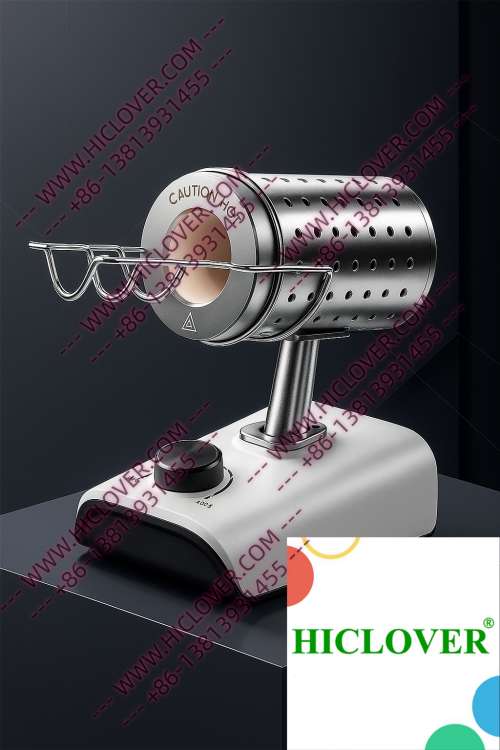
These advantages make Micro Incinerators particularly suitable for use in laboratories operating at Biosafety Levels 2 (BSL-2) and 3 (BSL-3), where the risk of pathogenic contamination must be stringently controlled.
Application Scenarios in Laboratories
Micro Incinerators are versatile tools that effectively address sterilization needs across various laboratory environments. Here are two distinct application scenarios:
1. Biosafety Laboratories
In BSL-2 laboratories, where moderate-risk pathogens are handled, the Micro Incinerator is invaluable. Staff can utilize it within a biosafety cabinet to ensure tools are sterilized without the worry of flames disrupting the controlled airflow. This setup not only enhances contamination control but also improves the overall efficiency of the sterilization workflow.
2. Field Testing Laboratories
In remote areas where traditional sterilization methods may not be feasible, the Micro Incinerator provides a robust solution for field testing labs. Lightweight and portable, this device facilitates serological and microbiological sample processing on-site, ensuring that researchers can conduct their work without compromising safety or accuracy. Its effective sterilization capability is crucial for maintaining sample integrity and safety protocols in challenging environments.
Compliance with Biosafety Standards
When evaluating sterilization methods, compliance with biosafety standards established by the World Health Organization (WHO) and relevant laboratory sterilization regulations cannot be overstated. To maintain laboratory integrity, adhering to the requisite norms, such as:
These standards significantly emphasize the need for devices that do not generate flames in clean rooms, making the Micro Incinerator a compliant and safe option for modern lab applications.
Comparative Analysis: Micro Incinerator vs. Flame Burners
| Feature | Micro Incinerator | Flame Burners |
|---|---|---|
| Flame Type | No flame | Open flame |
| Heat Distribution | Uniform infrared | Variable |
| Safety | High, aerosol-free | Lower, potential aerosol generation |
| Energy Consumption | Low | Higher |
Frequently Asked Questions (FAQs)
Conclusion
In addressing Thailand’s escalating waste crisis, the adoption of sustainable laboratory practices is more critical than ever. The Micro Incinerator/Infrared Inoculating Loop Sterilizer emerges as a leading solution, providing not only safety and compliance but also significantly reducing risks associated with contamination and waste disposal. For laboratories, hospitals, universities, and research centers looking to enhance their sterilization processes, investing in this innovative technology is not just a choice; it’s an imperative.
Don’t hesitate to explore how the Micro Incinerator can transform your laboratory’s sterilization workflow. Reach out to us today to learn more about our offerings!
Categories:
Tags: