
As Sri Lanka faces increasing urbanization, the demand for effective waste disposal solutions becomes more pressing. Laboratory environments, especially in urban settings, require rigorous biosafety measures, necessitating advanced sterilization equipment to meet their growing sterilization workflow demands. Among these, Micro Incinerators, specifically the Infrared Inoculating Loop Sterilizers, have emerged as a pivotal solution. These devices not only ensure contamination control but also embody sustainable practices in waste management.
Laboratory Biosafety Challenges
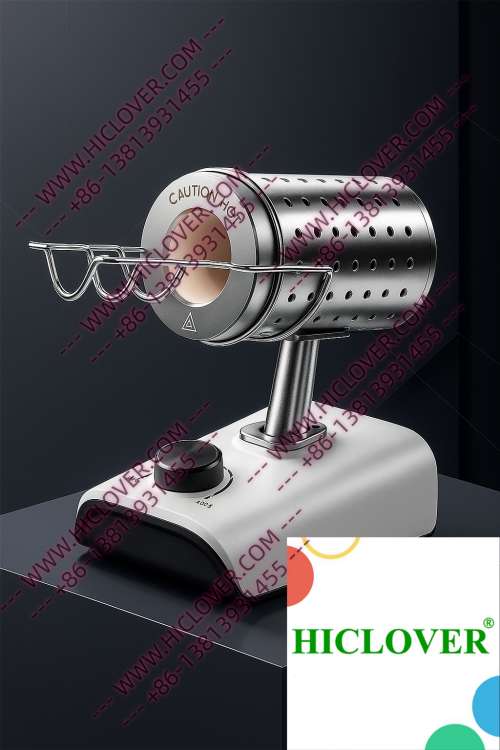
In laboratories, particularly BSL-2 and BSL-3 microbiology labs, the risk of contamination can significantly impact research outcomes and public health. Traditional sterilization methods, such as alcohol lamps and Bunsen burners, are often inefficient and pose additional risks such as open flames in sensitive environments. This raises the need for devices that provide rapid thermal sterilization while maintaining safety protocols. The Micro Incinerator addresses these challenges effectively through innovative design and high thermal efficiency.
Technical Principles and Configuration
The Micro Incinerator operates on the principle of infrared heat emission, specifically designed to provide consistent and controllable high temperatures needed for sterilization. At its core, the device features a ceramic heating chamber that encloses an infrared element, allowing for targeted thermal exposure.
- Enclosed Ceramic Tube: Provides safe handling and minimizes the risk of direct exposure to high temperatures.
- Quick Heating Capability: Achieves sterilization temperatures rapidly, enhancing workflow efficiency.
- Aerosol-Free Handling: Limits the generation of aerosols during the sterilization process, crucial for biosafety.
This configuration makes the Micro Incinerator an ideal choice for various laboratory settings, particularly where clean-bench safety is paramount.
Application Scenarios in Real Labs
1. Teaching Labs in Universities
In university settings, teaching labs frequently use inoculating loops for microbial culture transfers. The Micro Incinerator allows students to perform these tasks with an assurance of sterilization. Its rapid thermal sterilization process enables students to focus on learning rather than worrying about contamination. Moreover, the clean-bench-safe operation promotes a safer learning environment.
2. Field Testing Labs
Field testing environments, particularly in rural areas or disaster zones, benefit greatly from Micro Incinerators. They provide a portable and effective means of sterilizing tools and samples on-site, reducing the logistical challenges associated with transporting potentially contaminated materials back to the laboratory. These units are sufficiently robust to handle the demands of fieldwork, making them suitable for NGOs and research teams working in diverse environments.
Compliance with Biosafety Standards
Ensuring compliance with WHO biosafety standards and lab sterilization guidelines is crucial for laboratories, particularly those working in clinical diagnostics and microbiology. Flame-based sterilization methods are often discouraged in clean rooms due to the risk of aerosol production and environmental contamination. The Micro Incinerator’s design mitigates these risks, making it compliant with international sterilization standards.
Furthermore, using a Micro Incinerator eliminates the flammable materials commonly associated with traditional sterilization methods, enhancing overall lab safety and contributing to a sustainable operational framework.
Comparison of Micro Incinerator and Traditional Flame Sterilizers
| Feature | Micro Incinerator | Flame Sterilizers |
|---|---|---|
| Heating Source | Infrared | Open flame |
| Contamination Control | Advanced | Moderate |
| Safety in Clean Rooms | High | Low |
| Speed of Sterilization | Rapid | Variable |
| Operational Flexibility | High (field and lab) | Limited (lab only) |
FAQs about Micro Incinerators
What is the principle behind the Micro Incinerator?
The Micro Incinerator utilizes infrared heating to achieve rapid thermal sterilization, effectively eliminating microorganisms without the risks associated with open flames.
How does a Micro Incinerator enhance lab safety?
This device operates with an enclosed heating chamber that prevents exposure to flames and reduces aerosol generation, promoting a safer laboratory environment.
Can Micro Incinerators be used in mobile lab applications?
Yes, Micro Incinerators are compact and portable, making them ideal for use in field testing labs, providing flexibility in various operational settings.
Are Micro Incinerators compliant with WHO biosafety standards?
Absolutely. The Micro Incinerator meets stringent biosafety and sterilization standards set forth by the WHO, ensuring laboratories can operate within safe and regulatory frameworks.
Conclusion: A Path Towards Sustainable Waste Management
Incorporating Micro Incinerators into laboratory operations not only enhances sterilization workflows but also aligns with sustainable waste disposal practices essential for urban areas in Sri Lanka. If you’re considering updating your lab’s sterilization methods or seeking efficient waste disposal solutions, reach out today for more information on our available Micro Incinerator products. Together, we can foster a healthier, safer future for our communities.
Categories:
Tags: