
In the modern laboratory environment, biosafety challenges and sterilization workflows are of utmost importance. As laboratories conduct increasingly complex analyses, the risk of contamination grows proportionately. Sterile environments are critical, especially in research settings that deal with pathogens or require high-level cleanliness. Traditional sterilization methods, such as Bunsen burners and alcohol lamps, may pose hazards such as open flames, smoke, and chemical residues. Enter Micro Incinerators—an innovative and efficient alternative designed to streamline sterilization while enhancing safety and compliance in laboratory settings.
Understanding Micro Incinerators
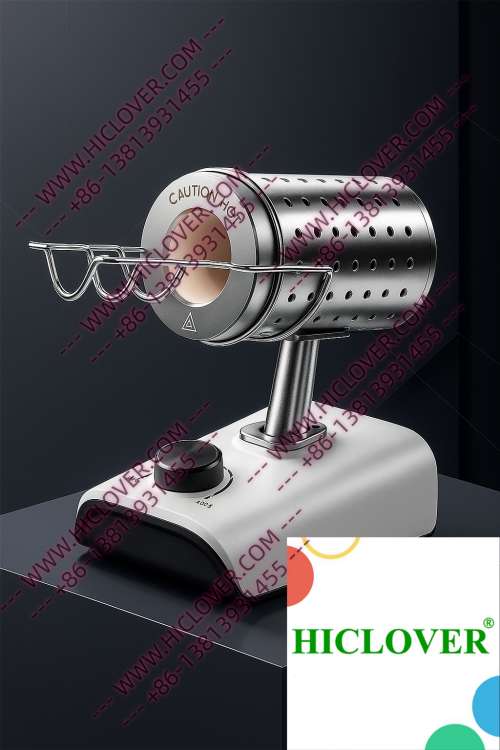
At the heart of a Micro Incinerator, such as the Infrared Inoculating Loop Sterilizer, lie advanced thermal sterilization technologies. These devices utilize infrared heat to rapidly achieve high temperatures within an enclosed ceramic tube. Unlike traditional flame sterilizers, the infrared system allows for precise temperature control and minimizes aerosol generation, making it a valuable asset in maintaining sterile conditions.
Key Features of Micro Incinerators
- Rapid Thermal Sterilization: Achieves sterilization within seconds, reducing wait times compared to conventional methods.
- Contamination Control: Closed design prevents loss of heat and minimizes the risk of airborne pathogens.
- Energy Efficiency: Consumes less energy, reducing operational costs in the long run.
- User-Friendly Operation: Simple to use, enhancing workflow efficiency.
- Durable Design: Built to withstand the demands of rigorous laboratory conditions.
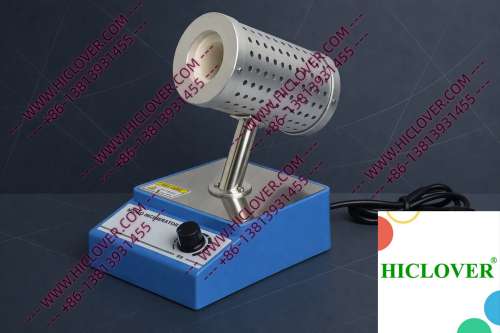
Applications of Micro Incinerators in the Laboratory
Micro Incinerators offer versatility across various laboratory environments, including but not limited to:
1. Biosafety Cabinets
In BSL-2 and BSL-3 microbiology laboratories, using a Micro Incinerator within a biosafety cabinet is ideal for ensuring that inoculating loops and other instruments are sterilized without risking contamination. The infrared technology allows lab personnel to quickly and efficiently sterilize tools while safely contained within the cabinet. This not only helps maintain sterile conditions but also reduces the risk of aerosol dispersal.
2. Mobile or Field Testing Labs
In field testing scenarios, the lightweight and portable design of Micro Incinerators makes them invaluable. For instance, environmental labs conducting microbial sampling can use these devices to ensure equipment sterilization on site, eliminating the need for bulky flame sterilizers that may not operate effectively in outdoor settings.
Compliance with Sterilization Standards
Micro Incinerators are engineered to meet stringent biosafety and sterilization standards as outlined by organizations like the World Health Organization (WHO). In laboratories where clean air protocols are essential, the absence of an open flame is not just a safety measure but is also a compliance requirement.
Compliance with standards for laboratory sterilization ensures that microbial testing and research do not compromise biosafety. The Micro Incinerator’s efficiency minimizes the risk of lab-acquired infections, particularly in clinical diagnostics and research settings.
Comparison Table: Micro Incinerator vs. Flame Sterilizers
| Feature | Micro Incinerator | Flame Sterilizer |
|---|---|---|
| Temperature Control | Precise, consistent infrared heating | Variable, dependent on user skill |
| Safety | Low risk of burns, no open flame | High risk of fire hazards |
| Contamination Control | Minimized aerosol production | Aerosol generation common |
| Operation Efficiency | Ready in seconds | Takes longer to prepare and cool |
Frequently Asked Questions
What is a Micro Incinerator?
A Micro Incinerator is a laboratory equipment used for rapid sterilization of inoculating loops and other tools through high-temperature infrared heat without an open flame.
How does the Micro Incinerator improve sterilization workflows?
By providing immediate sterilization capability, it reduces waiting times and enhances safety in sterile environments, allowing researchers to focus on their work rather than being limited by traditional sterilization methods.
Is the Micro Incinerator compliant with WHO biosafety standards?
Yes, Micro Incinerators are designed to meet rigorous biosafety standards required in various laboratory settings, ensuring both user safety and effective sterilization.
Can I use Micro Incinerators in a biosafety cabinet?
Absolutely. In fact, using a Micro Incinerator within a biosafety cabinet enhances safety by reducing the risk of contamination and aerosol dispersion.
What are the advantages of using a Micro Incinerator over traditional flame sterilizers?
Micro Incinerators offer precise temperature control, increased safety, faster operation, and better contamination control compared to traditional flame sterilizers.
Conclusion
The implementation of Micro Incinerators in laboratories offers a multifunctional solution to pressing sterilization challenges while promoting a safer lab environment. As contamination control becomes ever more critical in an era marked by heightened health awareness, investing in innovative sterilization equipment such as the Micro Incinerator or Infrared Inoculating Loop Sterilizer is not just prudent but necessary.
For laboratories across the UK and beyond, the move towards these cutting-edge devices could lead to significant improvements in biosafety and operational efficiency. Reach out to us today to discover how our Micro Incinerator can enhance your laboratory workflows and maintain the highest levels of sterilization compliance.
Categories:
Tags: