
In the expansive landscape of laboratory biosafety, handling microbial cultures and ensuring contamination control pose formidable challenges. Laboratories across India face increasing pressure to maintain sterilization efficiency while adhering to strict biosafety protocols. The need for fast, reliable, and safe sterilization methods has never been more pronounced. In this context, Micro Incinerators, specifically Infrared Inoculating Loop Sterilizers, have emerged as a game-changer, seamlessly integrating waste management and energy utilization.
Understanding the Technology: How Micro Incinerators Work
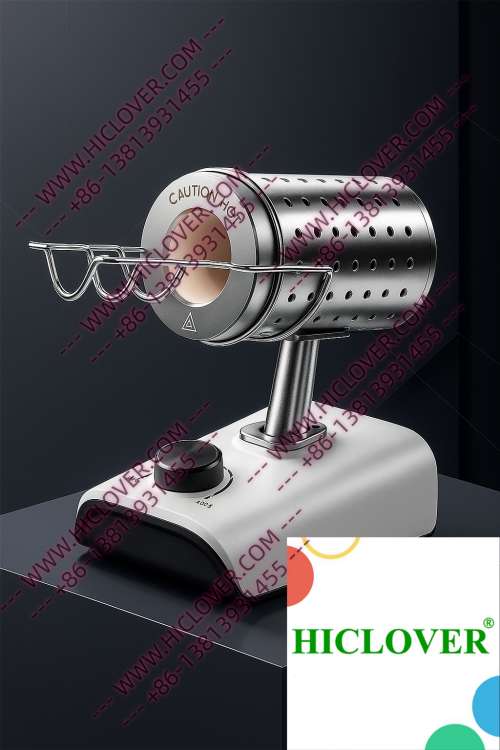
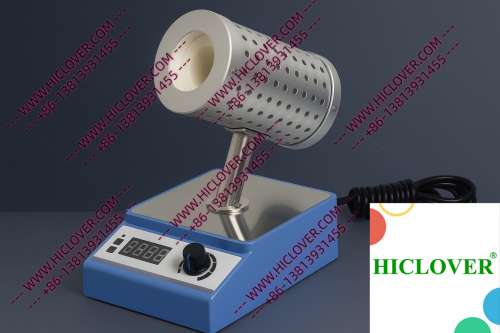
The Micro Incinerator utilizes the principle of rapid thermal sterilization powered by infrared heat. This innovative device features an enclosed ceramic tube that creates a high-temperature heating chamber, allowing for effective sterilization without the open flame commonly associated with traditional methods. Unlike alcohol lamps or Bunsen burners, which can introduce aerosols and contaminants into the clean environment, the Micro Incinerator ensures a clean-bench-safe operation with minimal risk of contamination.
Product Configuration and Features
- Temperature Control: Precise temperature settings that range up to 800°C for effective disinfection.
- Compact Design: Space-saving configurations ideal for crowded laboratory workspaces.
- Energy Efficiency: Minimal energy consumption compared to traditional flame-based sterilizers.
- Simplicity of Use: User-friendly interface, allowing quick sterilization cycles.
- Durability: Designed to withstand high use in busy laboratory environments.
- Flame-free sterilization to comply with clean room requirements.
- Efficient waste management minimizing environmental impact.
- Eradication of aerosols that can contaminate sterile environments.
- Meet WHO biosafety standards for effective laboratory practices.
Application Scenarios in Contemporary Labs
1. Biosafety Cabinet Integration
In BSL-2 and BSL-3 microbiology labs, the integration of Micro Incinerators into biosafety cabinets enhances workflow by providing immediate sterilization without the risk of flame-induced contamination. Researchers can quickly sterilize inoculating loops, pipettes, and other equipment in situ, ensuring a sterile workspace during critical processes such as cell cultures and microbial analysis.
2. Field Testing Applications
For mobile or field testing labs, the Micro Incinerator offers an advantage in remote locations where traditional sterilization methods may be impractical. Whether conducting public health assessments or environmental tests, the infrared inoculating loop sterilizer provides an efficient, compact, and energy-conscious solution for quick and reliable sterilization in the field.
Compliance and Ethical Considerations
Adhering to the standards set forth by the World Health Organization (WHO) and other regulatory bodies is paramount for laboratory operations, especially in environments handling infectious materials. The Micro Incinerator not only meets but exceeds several laboratory sterilization standards, providing a safer alternative to open flames in clean rooms. Its operation helps comply with regulations regarding aerosol-free handling and minimizes the risk of fire hazards associated with traditional flame sterilizers.
Key Compliance Features
Micro Incinerators vs. Traditional Flame Sterilizers
| Feature | Micro Incinerator | Traditional Flame Sterilizers |
|---|---|---|
| Flame Safety | No flame, reducing risk of contamination | Open flame, potential contamination and fire hazards |
| Temperature Control | Precise infrared temperature setting | Variable, often less controlled |
| Energy Efficiency | Low energy consumption | Higher energy usage |
| Portability | Compact, mobile | Typically larger and less portable |
Frequently Asked Questions
What is a Micro Incinerator?
A Micro Incinerator is a laboratory sterilization device that utilizes infrared heat for rapid thermal sterilization, ensuring contamination control without using an open flame.
How does an Infrared Inoculating Loop Sterilizer work?
This device uses an enclosed ceramic tube to generate high temperatures, sterilizing inoculating loops and other lab equipment quickly and effectively.
Where can I use a Micro Incinerator?
Micro Incinerators are ideal for biosafety cabinets, BSL-2 and BSL-3 labs, teaching labs, and field testing applications.
Are Micro Incinerators compliant with WHO standards?
Yes, Micro Incinerators meet several WHO biosafety and laboratory sterilization standards, ensuring safe practices in sterile environments.
What advantages do Micro Incinerators offer over traditional flame sterilizers?
Advantages include flame-free operations, precise temperature control, energy efficiency, and portability, reducing the risk of contamination and fire hazards.
Conclusion: Embrace the Future of Sterilization
Micro Incinerators, particularly in the form of Infrared Inoculating Loop Sterilizers, are indispensable in today’s laboratory environment. They combine the efficiency of advanced sterilization technologies with stringent compliance standards, offering significant benefits over traditional flame sterilizers. As laboratories in India increasingly focus on eco-friendly and energy-efficient practices, now is the time to consider integrating a Micro Incinerator into your sterilization workflow.
Contact us today to learn more about how Micro Incinerators can revolutionize your laboratory sterilization processes!
Categories:
Tags: