
In today’s fast-paced laboratory environments, biosafety and sterilization protocols are crucial for effective research and patient safety. Many laboratories, especially those operating within BSL-2 and BSL-3 levels, face significant challenges in maintaining contamination control while ensuring efficient workflow. Enter the Micro Incinerator, a cutting-edge tool designed for effective sterilization and waste management, enabling laboratories to meet evolving sterilization needs while adhering to strict regulatory guidelines.
Understanding Micro Incinerators: Technical Principles
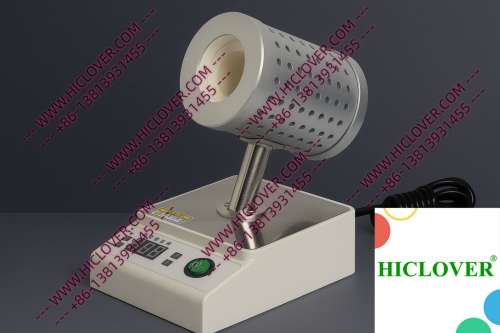
The Micro Incinerator, particularly the Infrared Inoculating Loop Sterilizer, utilizes advanced infrared heating technology to achieve rapid thermal sterilization. Unlike traditional flame sterilizers like alcohol lamps and Bunsen burners, which can introduce contaminants and pose fire hazards, Micro Incinerators provide a controlled, enclosed ceramic heating chamber that generates high temperatures for effective disinfection.
The infrared heating elements in a Micro Incinerator allow for precise control over the sterilization process, ensuring an efficient and consistent high-temperature disinfection environment that can reach up to 800°C in mere seconds. This speed not only enhances laboratory workflows but also significantly reduces the risk of aerosol generation, which is paramount in maintaining a safe laboratory setting.
Applications in Real Laboratories
1. Biosafety Cabinets
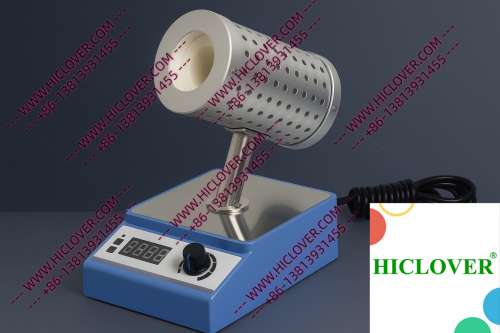
In biosafety cabinets, the Micro Incinerator finds its primary use in controlling contamination during sterile manipulations. Researchers working with pathogens require reliable sterilization of inoculating loops and needles to prevent cross-contamination. The compact design of the Micro Incinerator allows it to fit comfortably within the confines of a biosafety cabinet, where it operates silently and efficiently, creating a safe working environment.
2. Field Testing Laboratories
In mobile or field testing labs, especially in clinical diagnostics and environmental monitoring, the need for portable yet reliable sterilization solutions is paramount. The Micro Incinerator provides a lightweight and easy-to-transport option that meets on-site sterilization needs without the risks associated with open flames. Technicians can easily sterilize sampling equipment and inoculation loops before and after each use, ensuring that samples collected from various environments remain uncontaminated.
Compliance and Environmental Considerations
With increasing global emphasis on biosafety standards and compliance, laboratories must adhere to guidelines set forth by organizations like the World Health Organization (WHO) and local regulatory bodies for laboratory sterilization. In clean-room environments, where any kind of flame is prohibited, the Micro Incinerator emerges as an ideal solution, providing an aerosol-free handling system that maintains strict sterility requirements.
Moreover, the compliance with sterilization standards is critical not just for biosafety but also for laboratory accreditation. The capability of the Micro Incinerator to deliver consistent and reliable sterilization results positions it as an essential component of modern laboratory equipment, helping facilities maintain their certifications.
Comparing Micro Incinerators to Traditional Flame Sterilizers
| Feature | Micro Incinerator | Flame Sterilizers |
|---|---|---|
| Temperature Control | Precise infrared control | Variable, less controlled |
| Contamination Risk | Low (sealed design) | Higher (can create aerosols) |
| Workflow Efficiency | Rapid heating and cooling | Slower, requires time to ignite |
| Safety in Clean Rooms | Allowed | Not allowed |
| Portability | Lightweight and compact | Typically heavier |
Frequently Asked Questions (FAQs)
- What makes Micro Incinerators suitable for BSL-2 and BSL-3 labs? They provide rapid sterilization without open flames, reducing risks associated with biohazardous materials.
- How does the ceramic heating chamber work? It uses infrared technology to reach high temperatures quickly, enabling efficient sterilization cycles.
- Can Micro Incinerators be used in mobile labs? Yes, their lightweight design makes them ideal for field testing labs where portability is essential.
- What are the environmental benefits of using a Micro Incinerator? They minimize contamination risks and adhere to WHO biosafety standards, supporting cleaner lab operations.
- How do I maintain a Micro Incinerator? Regular cleaning and maintenance of the heating elements and ceramic chamber will ensure optimal performance.
Conclusion and Call to Action
As laboratory demands evolve, the Micro Incinerator stands out as a vital tool that bridges the gap between efficient waste disposal and uncompromised sterilization. Its technological advantages, versatile applications, and compliance with biosafety standards make it indispensable in today’s lab environments—from university teaching labs to clinical diagnostics. If you’re looking to enhance your laboratory’s sterilization processes, consider investing in a Micro Incinerator. Contact us today for more information or to place an order!
Categories:
Tags: