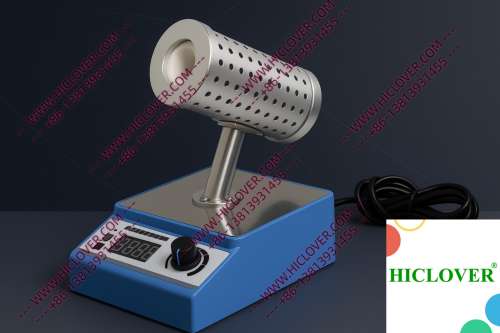
In the realm of laboratory biosafety, the sterilization workflow faces acute challenges, particularly in high-stakes environments like clinical diagnostics and microbiology labs. With increasing demands for efficacy and safety, traditional sterilization methods, such as alcohol lamps and Bunsen burners, can introduce risks of contamination and inefficiencies. Enter the Micro Incinerator, a cutting-edge solution designed to streamline sterilization processes while adhering to guidelines that promote biosafety and operational efficiency.
Technical Principles of the Micro Incinerator
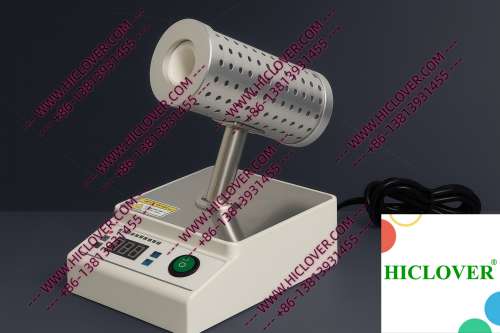
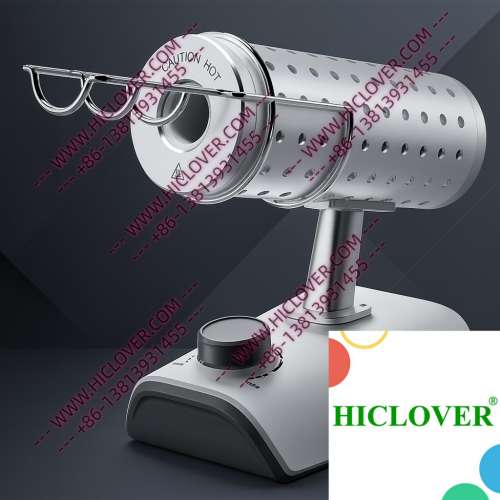
The Micro Incinerator operates on the principle of rapid thermal sterilization, utilizing infrared heat to ensure effective disinfection. This innovative sterilizer features an enclosed ceramic heating chamber that generates temperatures exceeding 800°C, achieving high-efficiency sterilization within seconds. The use of infrared radiation allows for a more consistent application of heat without the open flame associated with traditional methods, thereby minimizing the risk of aerosol generation and cross-contamination.
One of the standout features of the Micro Incinerator is its portability and compact footprint, making it an ideal choice for varied laboratory environments—from heavily populated BSL-2 laboratories in Seoul to streamlined teaching labs in Busan. The infrared inoculating loop sterilizer enhances operational workflows by allowing rapid turnaround times for sterilization processes, a critical factor in research settings where time is of the essence.
Operational Use Cases
- Biosafety Cabinet: In a BSL-2 microbiology laboratory, the Micro Incinerator is utilized for sterilizing inoculating loops and other small tools within a biosafety cabinet. This setup allows for complete aerosol-free handling, which complies with the stringent Occupational Safety and Health Administration (OSHA) guidelines, ensuring the operator’s safety while eliminating contamination risks.
- Field Testing Labs: In mobile settings, such as field research in Jeju Island, the Micro Incinerator ensures that portable sterilization is always at hand for quick and effective microbial testing. The lightweight design suits the needs of researchers on the move, simplifying sterilization procedures without sacrificing safety or efficiency.
- What is the operational time required for the Micro Incinerator to reach optimal sterilization temperature?
Typically, the Micro Incinerator reaches optimal sterilization temperature in under 10 seconds. - Can the Micro Incinerator be used in a BSL-3 laboratory?
Yes, the Micro Incinerator’s thermal efficiency and enclosed design make it suitable for high containment labs. - How does the Micro Incinerator ensure compliance with lab safety standards?
It operates without an open flame and meets all WHO biosafety standards.
Compliance and Environmental Considerations
In South Korea, regulatory requirements for laboratory sterilization are rigorous. Compliance with the World Health Organization (WHO) biosafety protocols is not just a suggestion but a necessity. The Micro Incinerator meets critical lab sterilization standards set forth by various health organizations, making it a compliant choice for both public and private laboratories.
Furthermore, the instrument addresses environmental considerations through its flame-free operation. Unlike traditional alcohol lamps that can be hazardous in clean rooms, the Micro Incinerator operates under controlled conditions that ensure minimal environmental impact. The absence of open flames also reduces fire risk, making it ideal for use in sensitive environments like CO₂ incubators and anaerobic chambers.
Benefits Over Traditional Flame Sterilizers
When comparing the Micro Incinerator to traditional flame sterilizers, several key advantages emerge:
| Criteria | Micro Incinerator | Flame Sterilizers |
|---|---|---|
| Safety | No open flame, reducing fire risk | Open flame can cause ignition |
| Efficiency | Rapid sterilization within seconds | Longer prep time and cooling down |
| Contamination Control | Aerosol-free operation | Potential aerosol contamination |
| Compliance | Meets WHO biosafety standards | May not comply with all cleanroom standards |
Frequently Asked Questions
Conclusion
As South Korea advances in its recycling efforts and laboratory practices, the Micro Incinerator stands out as a vital tool in overcoming sterilization challenges. Its innovative design not only bridges the gaps in contamination control but also enhances workflow efficiency, making it an invaluable asset for laboratories across the nation.
By prioritizing your laboratory’s biosafety measures and operational efficiency with the Micro Incinerator, you contribute to better research outputs. For more information on procurement and to explore our range of laboratory sterilization equipment, please reach out to us today!
Categories:
Tags: