
As laboratories continually strive for enhanced biosafety and sterilization workflow efficiency, traditional methods such as alcohol lamps and Bunsen burners are increasingly being scrutinized for their limitations. In response to these challenges, modern sterilization equipment has evolved, making the case for advanced solutions like the micro incinerator, particularly the infrared inoculating loop sterilizer.
The Technical Principles Behind Micro Incinerators
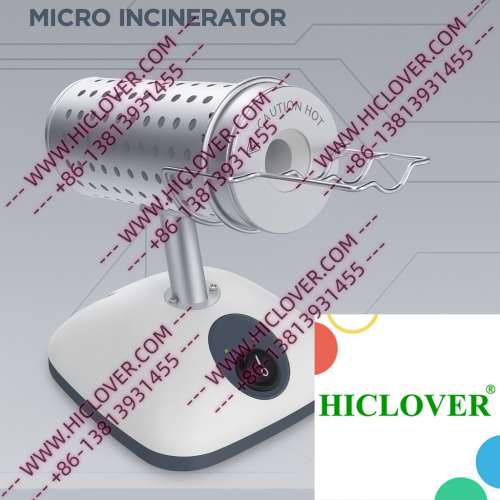
Micro incinerators operate on the principle of rapid thermal sterilization, utilizing infrared heat to achieve high temperatures that ensure efficient disinfection. These units often feature an enclosed ceramic heating chamber that provides a reliable and consistent degree of thermal energy. The infrared inoculating loop sterilizer, a notable variation, leverages this technology to sterilize inoculating loops, needles, and other small lab tools quickly and efficiently.
- High-temperature disinfection: Delivers consistent results in a matter of seconds.
- Aerosol-free handling: Prevents contamination of the surrounding environment.
- Clean-bench-safe: Ideal for use within biosafety cabinets and other clean environments.
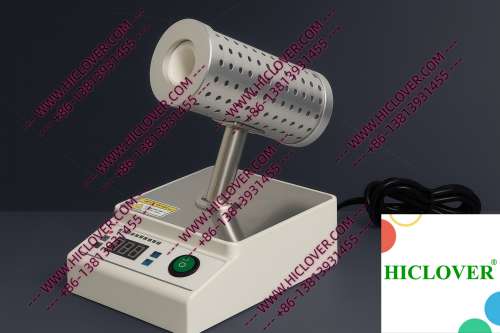
Practical Applications in the Laboratory
1. Biosafety Cabinets
Micro incinerators can be seamlessly integrated into biosafety cabinets, providing researchers in BSL-2 and BSL-3 laboratories with a reliable means of sterilizing equipment. The enclosed design of these cabinets, combined with the compact size of micro incinerators, ensures that both personal safety and sample integrity are maintained. Their capability to sterilize without producing harmful aerosols makes them essential for sensitive microbiological operations.
2. Teaching Labs
In educational environments, such as university teaching labs, the use of a micro incinerator enhances the teaching experience by offering a safe and quick solution for sterilizing instruments. With an emphasis on biosafety, modern laboratory curricula incorporate microbial culture techniques that benefit from the precision and reliability of infrared sterilization. Students can learn proper sterilization protocols without the risks associated with traditional flame sterilizers.
Compliance and Environmental Considerations
Compliance with global biosafety standards is integral to modern lab operations. The World Health Organization (WHO) emphasizes stringent guidelines for laboratory sterilization, particularly in clinical diagnostics where contamination control is critical. The adoption of micro incinerators helps labs meet these standards by eliminating open flames, which are not suitable for clean rooms or sensitive environments.
| Feature | Micro Incinerator | Traditional Flame Sterilizer |
|---|---|---|
| Temperature Control | Highly controlled, adjustable | Varies; difficult to regulate |
| Safety | Aerosol-free, enclosed design | Open flame, risk of burns |
| Efficiency | Rapid sterilization in seconds | Slower, dependent on flame size |
| Portability | Compact and lightweight | Bulkier, less practical |
Regional Focus: Improving Cleanliness in French Labs
In cities across France, from Paris to Lyon, the push for cleaner, more efficient laboratory practices is evident. The micro incinerator not only addresses these compliance needs but also promotes a culture of safety and cleanliness. As hospitals and research centers adopt this technology, they contribute to a greener and safer urban environment, minimizing the risks associated with traditional sterilization methods.
Frequently Asked Questions (FAQs)
What are the main benefits of using a micro incinerator over traditional sterilizers?
Micro incinerators offer rapid thermal sterilization, enhanced safety due to their enclosed design, and the ability to operate without producing harmful aerosols, making them ideal for sensitive laboratory environments.
Can micro incinerators be used in BSL-3 laboratories?
Yes, micro incinerators are suitable for BSL-3 laboratories as they comply with biosafety standards and provide effective sterilization without jeopardizing safety.
What is the typical lifespan of a micro incinerator?
The lifespan of a micro incinerator can vary based on usage, but with proper care and maintenance, they often last many years, making them a cost-effective choice for laboratory sterilization.
Are there specific applications where micro incinerators excel?
Micro incinerators excel in biosafety cabinet operations, field testing, and educational laboratories, providing versatile sterilization capabilities across various laboratory settings.
Conclusion: Embrace the Future of Laboratory Sterilization
As the landscape of laboratory practices continues to evolve, the adoption of micro incinerators represents a significant advancement in sterilization technology. By reducing contamination risks and adhering to compliance standards, these devices are essential for any modern lab looking to enhance both safety and efficiency. If you’re ready to upgrade your sterilization equipment, contact us today for a consultation or to place an order.
Categories:
Tags: