
Laboratories across Finland face constant challenges regarding biosafety and sterilization workflows. From clinical diagnostics to university teaching labs, the need for reliable and efficient sterilization methods is paramount. As laboratories look for innovative solutions to enhance contamination control, Micro Incinerators, particularly the Infrared Inoculating Loop Sterilizer, are making waves as a transformative alternative to traditional sterilizers.
Technical Principles of Micro Incinerators
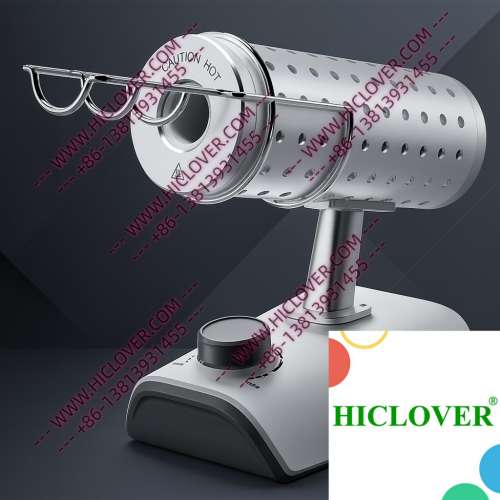
The Micro Incinerator operates on the principle of rapid thermal sterilization using an enclosed ceramic heating chamber. Its advanced design leverages infrared heat technology to ensure high-temperature disinfection without the hazards associated with open flames. This approach not only promotes environmental safety but also simplifies the sterilization process considerably.
- Enclosed ceramic tube design reduces risk of contamination.
- Infrared heat provides rapid and effective thermal sterilization.
- Promotes aerosol-free handling for improved safety.
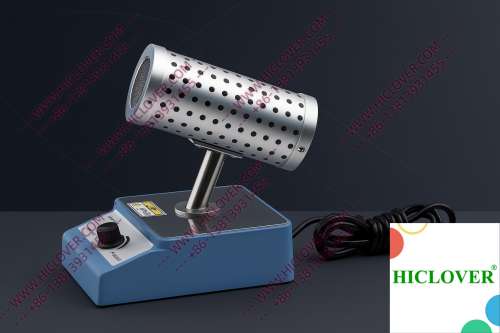
Unlike traditional flame sterilizers such as alcohol lamps and Bunsen burners that produce soot and require an open flame, Micro Incinerators provide a clean, flame-free environment that is especially valuable in clean bench settings or during sterile teaching lab sessions.
Applications in Real Laboratories
Micro Incinerators find their niche in various laboratory setups. Consider the following scenarios:
1. University Teaching Labs
In universities, teaching labs frequently require tools that can ensure the safety of both instructors and students. The Micro Incinerator provides immediate, high-heat sterilization of inoculating loops, petri dishes, and other equipment. Its intuitive, flame-free operation is perfect for educational environments, ensuring students can focus on their learning without safety concerns.
2. Clinical Diagnostics in BSL-2 Labs
In a BSL-2 microbiology lab, where pathogens are manipulated, the demands for sterilization are high. The Micro Incinerator is seamlessly integrated into biosafety cabinets, allowing for quick sterilization of tools and cultures. Its efficient design allows for quick turnaround times, minimizing the risk of contamination and enhancing lab productivity.
Compliance and Environmental Considerations
The Micro Incinerator meets several biosafety and lab sterilization standards set by the WHO. Its compliance with international biosafety guidelines ensures that labs can minimize contamination risks while adhering to the stringent requirements for sterilization. Furthermore, with an increasing emphasis on reducing environmental impacts, the flame-free operation avoids the release of harmful fumes, making it an excellent choice for clean room operations.
Key Biosafety Compliance Standards
- WHO guidelines on laboratory biosafety.
- Standards for safe operation in clean environments.
- Recommendations against flame sterilization in biosafety cabinets.
Comparative Analysis: Micro Incinerator vs. Flame Burners
| Feature | Micro Incinerator | Flame Sterilizers |
|---|---|---|
| Safety | Flame-free operation | Open flame risks |
| Environmental Impact | Low emissions | Potential for soot and contaminants |
| Efficiency | Rapid thermal sterilization | Variable heating times |
| Usability | Easy to use in sterile environments | Requires more safety precautions |
FAQs About Micro Incinerators
What is a Micro Incinerator?
A Micro Incinerator is a lab instrument designed for rapid thermal sterilization using infrared heat technology, providing an alternative to traditional flame sterilizers.
How does it enhance laboratory biosafety?
It minimizes contamination risks by eliminating open flames, offers aerosol-free operations, and integrates seamlessly into biosafety cabinets.
Where can Micro Incinerators be used?
They are ideal for various applications, including university teaching labs, clinical diagnostics, and field testing labs.
Are Micro Incinerators compliant with WHO standards?
Yes, they meet several international biosafety and sterilization standards recommended by the WHO.
What are the advantages over traditional sterilizers?
Micro Incinerators provide improved safety, efficiency, reduced environmental impact, and are easier to use in sterile environments compared to traditional flame burners.
Conclusion
The integration of Micro Incinerators, such as the Infrared Inoculating Loop Sterilizer, into laboratories across Finland presents an impressive opportunity for modernizing sterilization practices. They embody a shift towards safer, more efficient protocols that align with contemporary biosafety standards while tackling the complex challenges of laboratory waste disposal. To explore the best Micro Incinerator solutions for your lab or to make an informed purchase, don’t hesitate to contact us.
Categories:
Tags: