
The pursuit of laboratory biosafety has become increasingly complex as researchers and technicians face a myriad of challenges in sterilization workflows. Traditional flame sterilizers, such as alcohol lamps and Bunsen burners, may no longer suffice, especially in environments demanding extreme precision and rapid thermal sterilization. Local laboratories in Greece are now turning to innovative solutions: micro incinerators, particularly the Infrared Inoculating Loop Sterilizer, which promise to revolutionize sterilization processes.
Challenges in Laboratory Biosafety
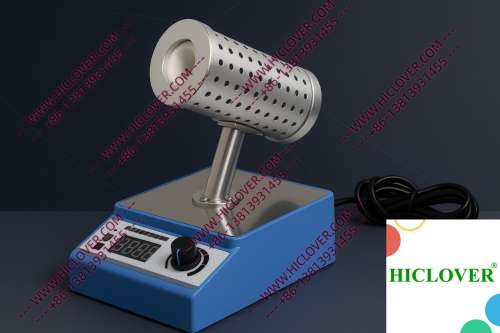
Laboratories focusing on microbiology, clinical diagnostics, and research are under constant pressure to meet rigorous biosafety standards. Contamination control, effective sterilization, and maintaining a clean working environment are critical. Traditional methods can introduce hazardous risks, including flame hazards, particulate emissions, and inconsistent results. These factors highlight the pressing need for efficient sterilization equipment tailored to the specific demands of modern laboratories.
Technical Principles of the Micro Incinerator
The micro incinerator operates on advanced infrared heat technology, which allows rapid heating without open flames. This innovation is critical for ensuring safety and efficiency in sterilization processes. With an enclosed ceramic tube functioning as the heating chamber, temperatures can reach as high as 900°C (1650°F) almost instantaneously, providing high-temperature disinfection that is both effective and clean-bench-safe.
Comparison: Micro Incinerator vs. Traditional Flame Burners
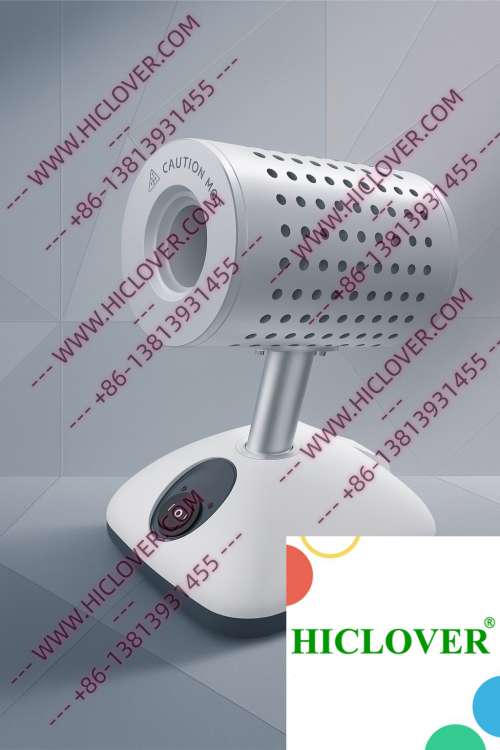
| Features | Micro Incinerator | Flame Burners |
|---|---|---|
| Temperature Control | Rapid, adjustable infrared heating | Variable, often uncontrolled |
| Safety | Enclosed heating, aerosol-free handling | Open flames, risk of burns |
| Environmental Impact | Reduced emissions | Higher risk of particulate and vapor contamination |
| Usability in Clean Rooms | Perfectly compliant | Restricted usage |
Applications in Real Labs
Biosafety Cabinets and Clean Environments
For BSL-2 and BSL-3 microbiology labs, micro incinerators have proven their worth. When utilizing a micro incinerator inside a biosafety cabinet, researchers can effectively sterilize inoculating loops, needles, and other tools without compromising the clean environment. The enclosed design prevents the escape of aerosols, reducing cross-contamination risks significantly.
Field Testing and Teaching Labs
In field testing scenarios, especially for environmental microbiology projects, portability and safety are paramount. Micro incinerators can be easily transported and operated in diverse terrains, ensuring that vital samples are handled safely. Additionally, their efficient sterilization capabilities make them ideal tools in teaching labs, where students must learn best practices in sterilization protocols without the hazards associated with flame sterilizers.
Compliance with Biosafety and Environmental Standards
Compliance with governmental regulations, such as the World Health Organization (WHO) biosafety guidelines, emphasizes the importance of sterilization in laboratory settings. The micro incinerator’s innovative design not only adheres to lab sterilization standards but also promotes safer working environments—particularly in clean rooms where the presence of an open flame is restricted.
Advantages Over Traditional Techniques
- Rapid Thermal Sterilization: Efficiently achieve sterilization in seconds.
- Contamination Control: Minimized risk of aerosol spread.
- Clean-Bench-Safe: Ideal for sterile work environments.
Frequently Asked Questions
1. What is a micro incinerator used for?
A micro incinerator, particularly an Infrared Inoculating Loop Sterilizer, is designed for rapid sterilization of laboratory instruments, ensuring contamination control in laboratory settings.
2. How does a micro incinerator differ from other sterilization methods?
Micro incinerators utilize infrared heat technology, providing faster and more controlled sterilization compared to traditional methods that involve open flames.
3. Are micro incinerators safe for use in clean rooms?
Yes, micro incinerators are enclosed and do not produce emissions, making them compliant for use in clean room environments.
4. Where can I buy a micro incinerator in Greece?
Contact local laboratory supply distributors or check online platforms that specialize in laboratory equipment for purchasing options.
5. Is training required to operate a micro incinerator?
While specialized training is not mandatory, understanding operational principles and safety protocols is highly recommended for optimal use.
Conclusion
The shift towards micro incinerators, such as the Infrared Inoculating Loop Sterilizer, marks a significant advancement in laboratory sterilization practices within Greece. These devices not only improve biosafety compliance but also enhance operational workflow in a variety of laboratory settings, from university teaching labs to field testing operations. For any laboratory seeking efficient, reliable, and safe sterilization methods, investing in a micro incinerator could prove to be a game-changer. Reach out today to discover how our products can fit your sterilization needs!
Categories:
Tags: