
As modern laboratories continue to evolve, professionals face increasing challenges in maintaining biosafety and effective sterilization workflows. Traditional sterilization methods like alcohol lamps and Bunsen burners pose considerable risks, including fire hazards, contamination, and inefficient sterilization times. Enter the micro incinerator, a ground-breaking solution to sterilization challenges in Norway’s laboratories and beyond, particularly in the context of high-stakes environments such as BSL-2 and BSL-3 facilities.
The Science Behind Micro Incinerators
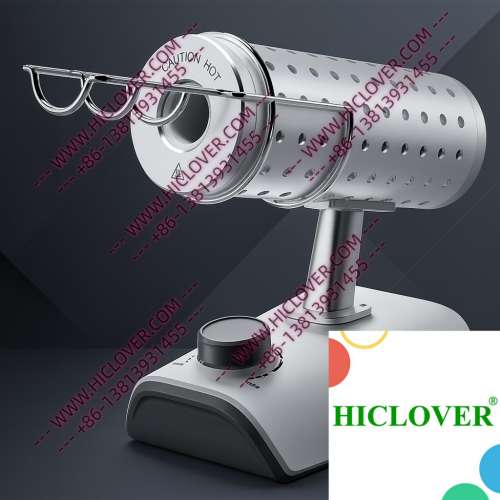
Micro incinerators, specifically infrared inoculating loop sterilizers, utilize advanced technology to streamline sterilization processes. By employing infrared heat housed within an enclosed ceramic tube, these devices deliver rapid thermal sterilization that effectively eliminates pathogens without producing flame or harmful aerosols. The result? An optimal sterilization technique that aligns with stringent biosafety protocols.
- Rapid sterilization: Inoculation loops can be sterilized within seconds, drastically improving laboratory workflows.
- Contamination control: The enclosed design prevents cross-contamination and exposure to hazardous materials.
- Aerosol-free handling: Unlike traditional methods, micro incinerators significantly reduce aerosol generation, an essential factor in clean environments.
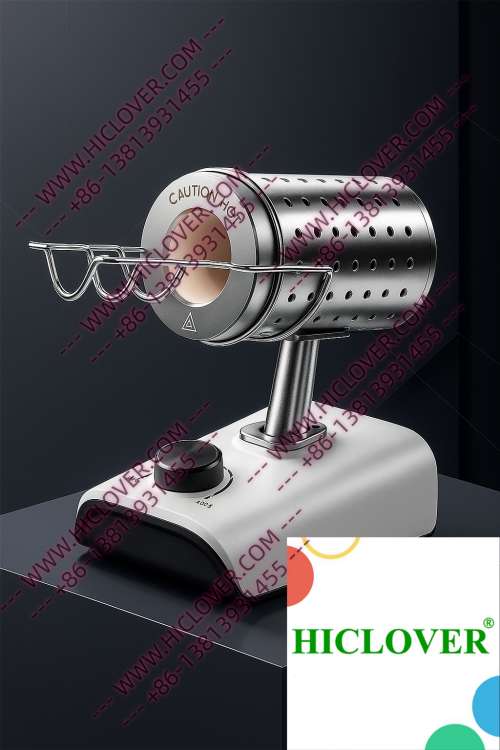
Applications of Micro Incinerators
Micro incinerators are versatile devices suitable for numerous applications within laboratory settings. Let’s delve into a couple of specific scenarios where these sterilizers shine.
1. Use in Biosafety Cabinets
In a BSL-2 laboratory, where researchers handle moderate-risk pathogens, micro incinerators provide a clean and efficient means of sterilization. Positioned safely within biosafety cabinets, these sterilizers ensure that inoculating loops and other instruments are quickly sterilized without risking contamination from outside air. The rapid thermal action allows researchers to maintain focus on their experiments, fostering higher productivity and safety compliance.
2. Field Testing and Teaching Labs
Micro incinerators also excel in outdoor field testing as well as in educational settings such as university teaching labs. When researchers work in the field, they require portable, reliable sterilization methods that do not compromise safety. The lightweight design of the micro incinerator allows for easy transport. In teaching labs, demonstrations can be performed without the dangers associated with flame-based sterilizers, ensuring student safety while imparting essential skills on sterilization techniques.
Compliance with Safety Standards and Environmental Concerns
Compliance is a major concern for laboratories aiming to meet international standards. The World Health Organization (WHO) and other regulatory bodies have laid out guidelines for laboratory biosafety, which emphasize the importance of effective sterilization methods that do not compromise safety. The micro incinerator adheres to these guidelines with its flame-free operation, making it an ideal choice for clean rooms and other controlled environments.
“Micro incinerators align seamlessly with WHO biosafety guidelines, offering a safe, efficient alternative to traditional sterilization methods.”
Moreover, the environmental impact of sterilization technology cannot be overlooked. As Norway spearheads sustainability initiatives, laboratories are encouraged to adopt greener practices. Using micro incinerators reduces the use of volatile organic compounds (VOCs) often associated with alcohol lamps, thereby contributing to a cleaner laboratory and natural environment.
Comparison: Micro Incinerators vs. Traditional Flame Burners
| Features | Micro Incinerator | Traditional Flame Burners |
|---|---|---|
| Speed of Sterilization | Seconds | Minutes |
| Risk of Fire Hazard | Low | High |
| Contamination Risk | Minimal | Moderate |
| Aerosol Generation | None | High |
| Ease of Use | High | Medium |
Frequently Asked Questions (FAQs)
What is the primary advantage of using a micro incinerator over traditional sterilization methods?
The primary advantage is the speed of sterilization, coupled with significantly reduced fire hazards and contamination risks.
Are micro incinerators safe to use in a BSL-3 laboratory?
Yes, they are designed to meet high biosafety standards, making them suitable for use in BSL-3 laboratories.
How long does it take to sterilize an inoculation loop with a micro incinerator?
It typically takes seconds to achieve proper sterilization.
Can micro incinerators be used for other laboratory equipment besides inoculation loops?
Yes, they can be used for a variety of small tools and equipment that require rapid sterilization.
Is the use of micro incinerators aligned with environmentally-friendly practices?
Absolutely! They minimize the release of hazardous compounds and reduce the environmental footprint of laboratory practices.
Conclusion: A Step Towards Modern Laboratory Practices
Transitioning to micro incinerators represents a significant step forward in laboratory sterilization technology. With their unparalleled efficiency, safety, and environmental benefits, they’re an essential tool for laboratories in Norway and globally. As you consider upgrading your sterilization solutions, reach out to discuss how a micro incinerator could meet your laboratory’s unique needs. Invest in a cleaner, safer future for your lab operations today!
Categories:
Tags: