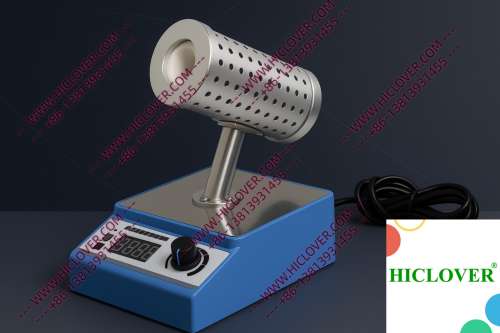
In the realm of laboratory operations, maintaining biosafety is paramount. Laboratories, particularly in Poland, face practical challenges surrounding contamination control and sterilization workflow requirements. With a variety of sterilization methods available, the quest for rapid thermal sterilization techniques has led to the rise of Micro Incinerators, specifically the Infrared Inoculating Loop Sterilizer. This innovative equipment is redefining how labs tackle sterilization, aligning with stringent biosafety standards while enhancing overall workflow efficiency.
Challenges in Laboratory Biosafety and Sterilization Workflow
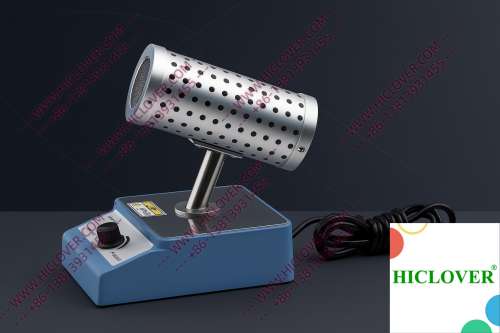
Laboratories, especially those operating under BSL-2 and BSL-3 guidelines, are required to manage biohazardous materials effectively. Traditional flame sterilizers, such as alcohol lamps and Bunsen burners, present several challenges. These include potential fire hazards, contamination risks from aerosols, and inefficiencies in sterilization times. Consequently, there is a growing demand for alternative sterilization methods that can deliver high-temperature disinfection while adhering to safety protocols. Micro Incinerators address these pressing needs with technological innovations that ensure both efficiency and safety.
Technical Principles of Micro Incinerators
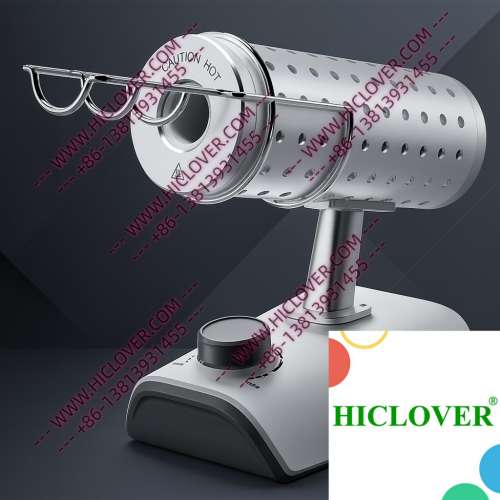
The core of the Micro Incinerator’s effectiveness lies in its technical design. Utilizing infrared heating technology, the sterilizer generates intense heat within an enclosed ceramic tube, allowing for rapid thermal sterilization. This system achieves high temperatures almost instantaneously, ensuring thorough sterilization of inoculating loops, tools, and other lab equipment without the need for an open flame.
The enclosed design means that the risk of sparks or flames is eliminated, making it a clean-bench-safe option suitable for various laboratory environments. Furthermore, the infrared heater ensures uniform heating, which is crucial for effective sterilization. With aerosol-free handling, operators can maintain a contamination-free workspace, ultimately enhancing biosafety in sensitive environments such as clinical diagnostics and university teaching labs.
Applications of Micro Incinerators in Real Labs
Micro Incinerators find diverse applications in both research and instructional settings. Here are two key scenarios:
-
Biosafety Cabinets
In BSL-2 and BSL-3 labs, the Micro Incinerator is ideally used within biosafety cabinets. It allows researchers to quickly sterilize inoculating loops between sample transfers, reducing the chance of cross-contamination. The compact design fits within most cabinet configurations, ensuring sterilization can occur without compromising the sterile environment.
-
University Teaching Labs
For educational institutions in Poland, employing Micro Incinerators in teaching labs provides students with hands-on experience in safe laboratory practices. The device demonstrates efficient sterilization techniques, educational staff can illustrate proper procedures without the hazards associated with traditional flame-based methods.
Compliance with Biosafety Standards
When it comes to laboratory equipment, compliance with biosafety regulations is essential. The World Health Organization (WHO) emphasizes the importance of sterilization protocols to prevent contamination and spread of pathogens. Micro Incinerators stand out as compliant alternatives to traditional flame burners, as they are equipped to meet the needs of contemporary laboratory standards.
In clean rooms, the absence of a flame is crucial for maintaining sterility. Since the Micro Incinerator does not produce an open flame, it is safe to use in controlled environments such as CO₂ incubators or anaerobic chambers. This compliance reinforces the Micro Incinerator’s suitability for laboratories where maintaining a contamination-free atmosphere is critical.
Advantages Over Traditional Flame Sterilizers
Micro Incinerators provide numerous advantages over traditional flame sterilizers:
- Increased Safety: No open flame or risk of fire hazards.
- Rapid Sterilization: Instantly achieves high temperatures for quick and effective sterilization.
- Contamination Control: Aerosol-free handling minimizes cross-contamination risk.
- Environmentally Adaptable: Suitable for use in clean rooms and biosafety cabinets.
- Durable Design: Made for long-term use, reducing equipment replacement costs.
Micro Incinerator vs. Flame Burners Comparison
| Feature | Micro Incinerator | Flame Burners |
|---|---|---|
| Safety | No open flame | Risk of fire |
| Sterilization Speed | Instantaneous | Variable |
| Contamination Risk | Aerosol-free handling | Higher risk from aerosolization |
| Efficiency | Consistent, uniform heating | Inconsistent, requires skill |
| Environmental Adaptability | Clean room compliant | Not suitable |
Frequently Asked Questions
What are the main benefits of using a Micro Incinerator in laboratories?
The Micro Incinerator offers rapid sterilization, enhanced safety with no open flames, and reduced contamination risks, making it suitable for sensitive laboratory environments.
How does the Micro Incinerator comply with WHO biosafety standards?
The Micro Incinerator meets and exceeds the safety requirements outlined by WHO by eliminating the risk of aerosol contamination and providing a flame-free sterilization method.
Can Micro Incinerators be used in field testing labs?
Yes, their portability and quick setup make Micro Incinerators ideal for field testing applications where rapid sterilization is required.
What materials can be sterilized using a Micro Incinerator?
Micro Incinerators are designed to sterilize laboratory tools, inoculating loops, and other metal instruments effectively.
Are Micro Incinerators cost-effective for educational institutions?
Yes, while the initial investment may be higher than traditional methods, the long-term savings come from reduced contamination rates and improved safety profiles.
Conclusion
Micro Incinerators represent a significant advancement in the field of laboratory sterilization, merging efficiency with safety. For distributors, hospitals, universities, and research centers in Poland, investing in an Infrared Inoculating Loop Sterilizer can yield considerable benefits in operational efficiency and compliance with stringent biosafety regulations. To cultivate a safe and effective laboratory environment, consider enhancing your sterilization workflow with a Micro Incinerator. Contact us today to learn more about our products or request a demonstration.
Categories:
Tags: