
Laboratories across the Netherlands are facing increasing challenges in biosafety and sterilization workflows. With the growing demand for effective contamination control, especially in high-stakes fields like clinical diagnostics and microbiology, traditional sterilization methods—such as alcohol lamps and Bunsen burners—are becoming less effective. These methods often pose risks of flame-related accidents, aerosol generation, and general inefficiency. In response, the introduction of Micro Incinerators has been nothing short of revolutionary.
Understanding the Technical Principles of Micro Incinerators
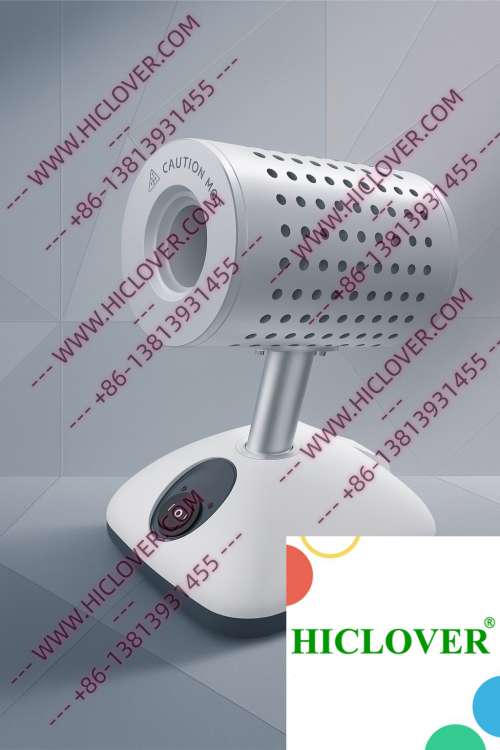
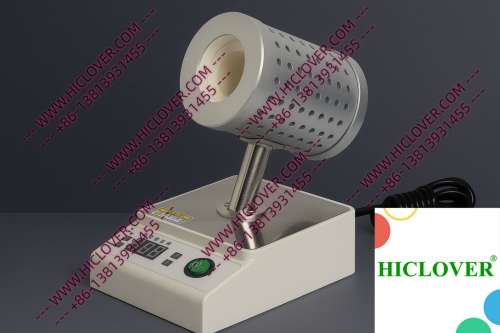
Micro Incinerators operate on a simple yet effective principle: rapid thermal sterilization. Utilizing infrared heat emitted by an enclosed ceramic heating chamber, these devices can reach temperatures of up to 800°C. This high-energy heat is ideal for disinfection, ensuring that no viable biological contaminants remain. The design incorporates an enclosed tube that not only facilitates efficient heating but also allows for clean-bench-safe operation in various laboratory settings.
Key Features and Advantages Over Traditional Flame Sterilizers
- Safety: No open flame reduces risks of accidents or contamination.
- Efficiency: Instant heating reduces the time needed for sterilization.
- Control: Precise temperature regulation allows for consistent outcomes.
- Versatility: Suitable for various environments, including BSL-2 and BSL-3 labs.
- Environmentally Friendly: No emissions or hazardous waste are produced.
Applications in Real Labs
Micro Incinerators have found use in multiple laboratory settings, offering a safe and effective alternative to traditional flame sterilizers. Here are two application scenarios:
1. Biosafety Cabinet Operations
In BSL-2 microbiology labs, where the risk of pathogenic organisms is substantial, maintaining sterile conditions is non-negotiable. Here, Micro Incinerators are indispensable. They allow researchers to sterilize loop and other instruments without compromising biosafety cabinet integrity. The aerosol-free handling ensures that no contaminants escape into the work environment, aligning with ISO standards for laboratory operations.
2. Mobile or Field Testing Labs
Field testing labs often deal with variable conditions and require efficient solutions for sterilization. The portability of Micro Incinerators makes them ideal for environments where traditional sterilization methods may be unfeasible. For instance, during ecological studies or rapid response situations, scientists can swiftly disinfect tools after each sample collection, significantly reducing contamination risks.
Compliance and Environmental Considerations
The WHO has established rigorous biosafety guidelines aimed at reducing microbial hazards in laboratory practices. Compliance with laboratory sterilization standards mandates practices that protect personnel and the environment. Unlike open flame devices, Micro Incinerators are designed to function in clean rooms, where the absence of flame prevents contamination and promotes sterility. This effectiveness makes Micro Incinerators a preferred choice in hospitals, universities, and research centers in cities such as Amsterdam, Rotterdam, and The Hague.
Comparative Overview: Micro Incinerators vs. Traditional Flame Burners
| Feature | Micro Incinerator | Flame Burner |
|---|---|---|
| Safety | No open flame risks | Fire hazards present |
| Efficiency | Instant heat-up | Longer time to achieve temperature |
| Control | Precise temperature adjustment | Less control over flame intensity |
| Environment | No emissions | Potential harmful emissions |
| Usability | Portable & versatile | Limited in mobility |
Frequently Asked Questions
What is the primary function of a Micro Incinerator?
The primary function of a Micro Incinerator is to rapidly sterilize laboratory instruments through infrared heat, effectively eliminating microbial contaminants.
How does it comply with health regulations?
Micro Incinerators adhere to strict WHO biosafety guidelines and sterilization standards, making them suitable for use in clean rooms and various laboratory settings.
Are Micro Incinerators safe for use in teaching labs?
Yes, Micro Incinerators are designed to be safe for educational environments, providing a flame-free alternative that reduces risks associated with traditional sterilization methods.
What types of laboratories benefit from using Micro Incinerators?
BSL-2 and BSL-3 microbiology labs, clinical diagnostics setups, and teaching laboratories will greatly benefit from the use of Micro Incinerators.
Can Micro Incinerators be used in outdoor field conditions?
Absolutely! Their portable design makes Micro Incinerators ideal for outdoor field testing applications.
Conclusion
The emergence of Micro Incinerators in the Netherlands represents a significant innovation in lab safety and waste management. This equipment not only meets strict biosafety standards but also enhances sterilization workflows across various laboratory environments, from university teaching labs to clinical diagnostics. If you are ready to improve your lab’s effectiveness while ensuring compliance with today’s regulations, consider integrating a Micro Incinerator into your sterilization processes. For more information or to make a purchase, please contact us today!
Categories:
Tags: