
With the increasing demands of laboratory biosafety and the necessity for effective sterilization processes, researchers and technicians are continuously seeking advanced solutions that enhance workflow efficiency and contamination control. One innovative solution gaining traction, particularly in biosafety laboratories, is the Micro Incinerator or Infrared Inoculating Loop Sterilizer. This article examines the technical principles, applications, compliance aspects, and overall advantages of utilizing Micro Incinerators in various laboratory environments.
The Technical Principles of Micro Incinerators
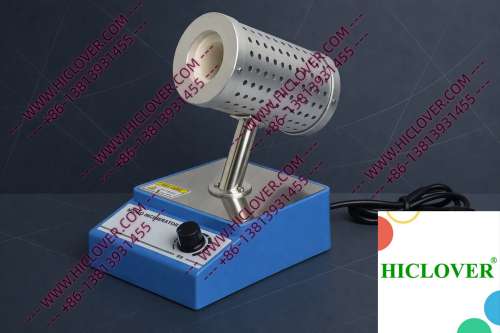
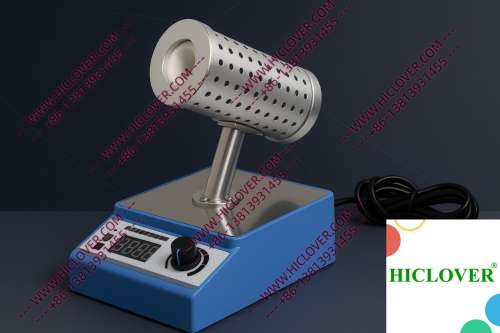
Micro Incinerators operate on the fundamental principle of infrared heat, which rapidly generates extreme temperatures to achieve thermal sterilization. The enclosed ceramic tube design is pivotal in directing concentrated heat directly onto the inoculating loop or tool, achieving optimal sterilization without the flames associated with traditional methods. Unlike alcohol lamps or Bunsen burners, Micro Incinerators offer a flame-free approach, ensuring a clean-bench-safe environment conducive to sterile workflows.
- Rapid Thermal Sterilization: Capable of achieving high temperatures in seconds, significantly reducing the waiting time traditionally associated with flame sterilizers.
- Contamination Control: Reduces the generation of aerosols and prevents potential contamination, making them ideal for sensitive environments.
- Energy Efficiency: Lower energy consumption compared to conventional methods due to targeted heating.
Applications of Micro Incinerators in Laboratories
Micro Incinerators are versatile tools with applications spanning multiple laboratory settings:
1. University Teaching Labs
In the realm of education, teaching labs often require effective sterilization methods that instill best practices in students. The Micro Incinerator is favored for its safety and efficiency, allowing students to focus on their tasks without the constant supervision associated with flame sterilization. In this context, the Micro Incinerator simplifies the preparation of samples while ensuring strict adherence to sterilization protocols.
2. BSL-2 and BSL-3 Microbiology Labs
In higher containment laboratories, the need for stringent biosafety measures is paramount. Utilizing Micro Incinerators in biosafety cabinets allows researchers to effectively sterilize tools without exposing themselves to the risks associated with open flames. The device’s rapid sterilization capabilities mean that the researchers can spend less time on cleanup and more on critical research activities.
Compliance and Environmental Standards
Adhering to compliance standards is fundamental in laboratory settings. The World Health Organization (WHO) outlines specific biosafety protocols that laboratories must follow to minimize biological risks. Some of the key compliance factors include:
- No open flames in cleanroom environments to prevent contamination.
- Thermal sterilization methods must meet temperature thresholds outlined by lab sterilization standards.
- Equipment must be validated and qualified to ensure adequate performance in biosafety settings.
In urban areas like New York City and Los Angeles, where regulatory frameworks are strict, Micro Incinerators serve as an effective compliance solution. Their design and operation align with safety protocols, ensuring that laboratories are better prepared to mitigate contamination risks.
A Comparison of Micro Incinerators and Traditional Flame Burners
| Feature | Micro Incinerator | Flame Burner |
|---|---|---|
| Safety | Flame-free, reduced risk of burns | Open flame poses fire hazards |
| Efficiency | Rapid heat; instant sterilization | Requires time for flame setup |
| Contamination Control | Aerosol-free handling | Flame can aerosolize contaminants |
| Energy Consumption | Low energy usage | High energy due to flame maintenance |
Frequently Asked Questions
What is the primary benefit of using a Micro Incinerator in labs?
The primary advantage lies in its ability to provide rapid, reliable sterilization without the risks associated with open flames, enhancing both safety and efficiency.
Can Micro Incinerators be used in field-testing labs?
Yes, Micro Incinerators are portable and suitable for field-testing environments, allowing for on-site sterilization where traditional methods would be impractical.
Are there any maintenance requirements for Micro Incinerators?
Micro Incinerators typically require minimal maintenance; however, regular cleaning of the ceramic tube is recommended to prevent contamination.
Conclusion: Transforming Laboratory Sterilization Workflows
Micro Incinerators are reshaping the approach to sterilization in various laboratory settings across the USA. With their efficiency, safety, and adherence to stringent regulatory standards, they present a compelling alternative to traditional flame sterilization methods. For institutions looking to upgrade their sterilization protocols, Micro Incinerators represent a smart investment that prioritizes biosafety and operational effectiveness. If you are interested in exploring Micro Incinerators for your laboratory, feel free to reach out to us for more information or to place an order.
Categories:
Tags: