
Practical Laboratory Biosafety Challenges in Sterilization Workflows
In the realm of laboratory operations, particularly in China, there exists a growing challenge of managing urban waste, particularly biological and chemical waste. The demand for efficient sterilization methods is paramount to ensure the safety of laboratory personnel, maintain compliance with strict biosafety regulations, and safeguard the broader community. Traditional methods like alcohol lamps and Bunsen burners pose risks such as open flames and volatile chemicals that can contribute to aerosol generation and potential contamination. This trend amplifies the need for innovative solutions like Micro Incinerators, specifically the Infrared Inoculating Loop Sterilizer, designed for rapid thermal sterilization.
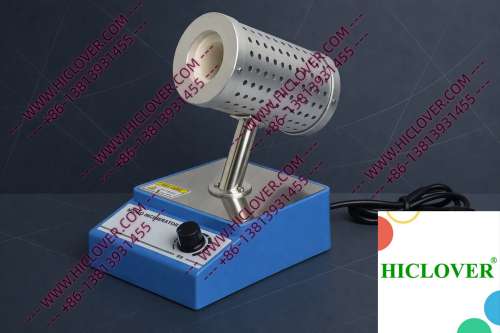
Technical Principles of the Micro Incinerator
The Micro Incinerator employs infrared heating technology to facilitate quick and efficient sterilization. Enclosed within a ceramic tube, the sterilizer utilizes high temperatures to eliminate microbial life, making it an optimal choice for biosafety laboratories. Unlike flame sterilizers, which can produce aerosols or uncontrolled thermal fluctuations, the Micro Incinerator ensures precise temperature control, allowing for the effective disinfection of inoculating loops, needles, and other small tools used in microbiology and clinical diagnostics.
Key Features of Micro Incinerators
- Rapid Thermal Sterilization: Provides immediate sterilization within seconds.
- Enclosed Ceramic Heating Chamber: Ensures safety and minimizes contamination risk.
- Clean-Bench-Safe Operation: No flame means reduced risk in sterile areas.
- Aerosol-Free Handling: Eliminates the potential for aerosol generation during sterilization.
- Portability: Ideal for field testing and mobile laboratory applications.
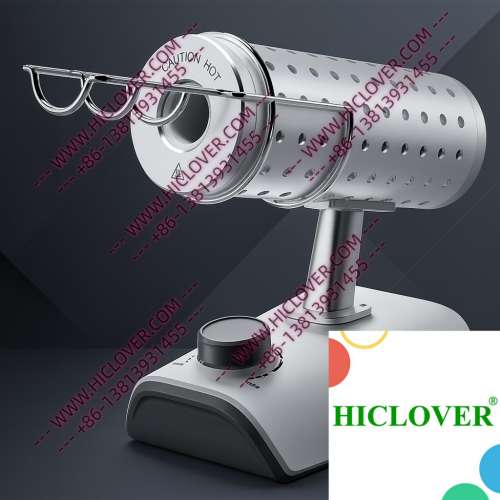
Application Scenarios in Real Labs
1. Biosafety Cabinet Operations
In BSL-2 and BSL-3 microbiology labs across urban centers, including Beijing and Shanghai, the Micro Incinerator has become an integral part of lab workflows within biosafety cabinets. Its efficiency in sterilizing inoculating loops enables researchers to quickly and safely transfer pathogens without the concern of compromising the sterility of their environment. With just a few seconds of exposure to infrared heat, the Micro Incinerator ensures that tools are sterile and ready for immediate use, contributing to an increased throughput of laboratory activities.
2. Field Testing Laboratories
Field testing labs, often set up for rapid response to local health crises or environmental assessments, benefit from the portability and reliability of Micro Incinerators. These sterilizers allow technicians to maintain strict decontamination protocols, especially when working with various environmental samples. The lack of flames further enhances the safety of operations conducted in rugged outdoor settings, ensuring compliance with WHO biosafety practices even far from the laboratory.
Biosafety Compliance and Environmental Considerations
Adhering to international biosafety standards, such as those set by the World Health Organization (WHO), is critical to maintaining laboratory integrity. The Micro Incinerator meets stringent lab sterilization standards while providing a safer alternative to traditional flame sterilizers, particularly in clean rooms. The elimination of open flames safeguards lab environments, reduces fire hazards, and aligns with the increasingly stringent regulations following urban waste management guidelines in China.
Comparison of Micro Incinerators vs. Traditional Flame Sterilizers
| Feature | Micro Incinerator | Flame Sterilizer |
|---|---|---|
| Heat Source | Infrared | Open Flame |
| Aerosol Generation | None | Possible |
| Operational Safety | High | Medium |
| Heating Time | Seconds | Varies |
| Portability | Highly Portable | Limited |
Frequently Asked Questions (FAQs)
What is a Micro Incinerator?
A Micro Incinerator is a laboratory device that utilizes infrared heat for rapid sterilization of inoculating loops, needles, and similar equipment, providing a safer alternative to traditional flame sterilizers.
How does the Infrared Inoculating Loop Sterilizer work?
It works by heating an enclosed ceramic tube to high temperatures using infrared technology, allowing for quick sterilization without the risks associated with open flames.
Is the Micro Incinerator suitable for use in clean rooms?
Yes, its design eliminates open flames, making it compatible with clean room standards and best practices in biosafety.
Can the Micro Incinerator be used for field testing?
Absolutely! Its portability and efficient operation make it ideal for use in mobile testing labs.
How does it contribute to contamination control?
By using infrared heat, the Micro Incinerator minimizes the risk of aerosol generation, thus reducing contamination risks during laboratory processes.
Conclusion
As urbanization continues to present challenges in waste management and laboratory sterilization, the Micro Incinerator stands out as an innovative solution in China’s fight against these issues. Its unparalleled efficiency, safety features, and compliance with biosafety standards make it an indispensable asset for hospitals, laboratories, and educational institutions. If you’re interested in enhancing your laboratory’s sterilization capabilities and ensuring safety, contact us today to explore our range of Micro Incinerator products and make a significant impact on your sterilization workflow.
Categories:
Tags: