
In the quest for effective biosafety management in laboratories, traditional sterilization techniques often fall short of the mark. Laboratories face unique challenges such as contamination control, efficient workflows, and adherence to stringent biosafety standards. Enter the micro incinerator—revolutionizing the way we approach sterilization in various laboratory environments, particularly in South Africa, where waste management has become a pressing issue.
Understanding the Technical Principles of Micro Incinerators
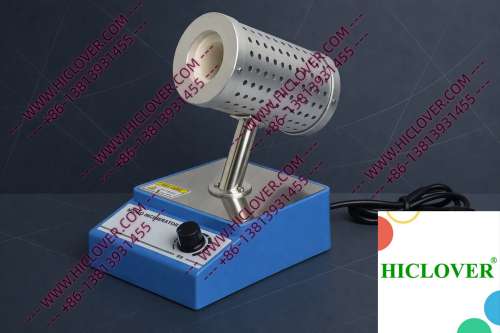
Micro incinerators, particularly the Infrared Inoculating Loop Sterilizer, utilize advanced technology to provide rapid thermal sterilization. These devices employ infrared heat, generated by an enclosed ceramic tube, to achieve high temperatures necessary for effective disinfection. Unlike traditional flame-based sterilizers such as Bunsen burners and alcohol lamps, micro incinerators create a clean-bench-safe environment devoid of aerosols and pollutants. This is crucial for maintaining the integrity of sensitive laboratory operations.
Applications in Real Laboratory Scenarios
Biosafety Cabinet Use
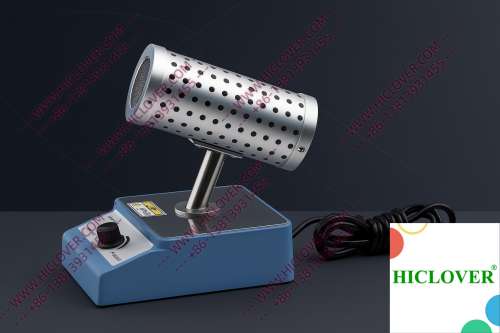
Micro incinerators are increasingly utilized within biosafety cabinets to maintain strict contamination control. In a BSL-2 lab, researchers conduct experiments involving moderate-risk pathogens. Here, the need for an efficient sterilization method is paramount. The infrared inoculating loop sterilizer allows for aerosol-free handling of inoculation loops, ensuring that microbial cultures are not inadvertently exposed to contaminants. This leads to more reliable results and enhances overall laboratory safety.
Field Testing Environments
In the realm of mobile testing labs, where quick results are crucial, micro incinerators prove their worth. Researchers working in remote areas often face challenges regarding waste disposal and sterilization. Using a compact micro incinerator enables field teams to disinfect inoculating loops and other tools without relying on external power sources or flammable materials. Therefore, they maintain compliance with environmental standards while conducting crucial health assessments.
Compliance and Environmental Standards
The rise in the adoption of micro incinerators is not purely based on functionality; compliance with WHO biosafety guidelines and lab sterilization standards is equally significant. Traditional flame sterilizers pose risks such as open flames in clean rooms and the release of harmful aerosols, which can compromise both lab safety and environmental integrity.
Micro incinerators, including the Infrared Inoculating Loop Sterilizer, align well with these guidelines, notably:
- No open flames, reducing fire hazards.
- Efficiency in waste management, eliminating biological waste securely.
- A reduced carbon footprint compared to conventional sterilization methods.
In a country facing waste management challenges like South Africa, these benefits cannot be overstated. The push for cleaner, safer laboratory operations aligns perfectly with governmental and healthcare priorities.
Comparing Micro Incinerators with Traditional Flame Sterilizers
| Feature | Micro Incinerator | Flame Burners |
|---|---|---|
| Heat Source | Infrared | Open Flame |
| Aerosol Generation | No | Yes |
| Portability | High | Low |
| Maintenance | Minimal | Higher |
| Safety Compliance | High | Moderate |
FAQs
- What is the main advantage of using a micro incinerator over traditional sterilizers?
The infrared technology prevents aerosol emissions and enhances safety by ensuring no open flame is present, making it ideal for clean environments. - Can micro incinerators be used in field testing scenarios?
Yes, they are portable and allow for effective sterilization even in remote locations, adhering to environmental standards. - Are micro incinerators compliant with WHO biosafety standards?
Absolutely, they are designed to align with international biosafety regulations, thus ensuring laboratory safety. - How do I maintain a micro incinerator?
Minimal maintenance is required; however, periodic checks ensure the ceramic tubes are intact and functioning effectively. - What types of laboratories benefit most from micro incinerators?
BSL-2 and BSL-3 microbiology labs, clinical diagnostics, and university teaching laboratories find significant value in their efficiency and safety.
Conclusion
As South Africa grapples with its growing waste crisis, adopting advanced laboratory sterilization technologies like the micro incinerator is an effective step towards a sustainable future. The Infrared Inoculating Loop Sterilizer not only meets but exceeds the requirements for modern laboratory safety and efficiency. If your institution is ready to enhance its sterilization workflow, contact us today for more information or to make a purchase!
Categories:
Tags: