
In the ever-evolving landscape of laboratory safety, ensuring effective biosafety measures is paramount. Laboratories face manifold challenges when it comes to sterilization workflows, particularly in rapidly resizing environments like Qatar, where urban waste issues are compounded by high-density populations and burgeoning industrial sectors. As laboratories demand more stringent sterilization solutions, innovative technologies like micro incinerators emerge as essential equipment, particularly the Micro Incinerator / Infrared Inoculating Loop Sterilizer.
Practical Laboratory Biosafety Challenges
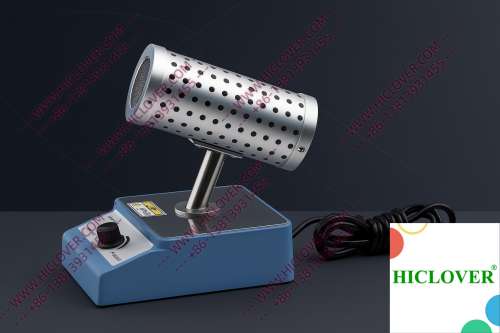
The need for rapid thermal sterilization in laboratories is propelled by the ongoing battle against microbial contamination and pathogen transmission. Traditional methods, such as Bunsen burners and alcohol lamps, often pose safety risks—primarily relating to fire hazards and airborne contaminants. Micro incinerators address these issues by leveraging advanced technologies that provide an aerosol-free handling environment while ensuring complete disinfection of tools and samples.
The Technical Principles Behind Micro Incinerators
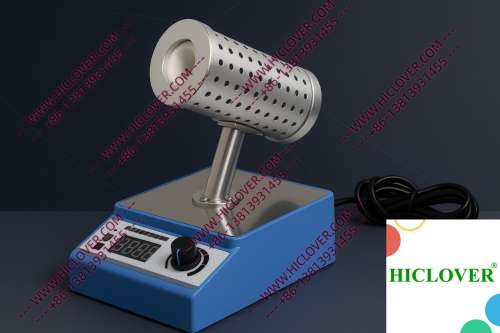
Micro incinerators function based on the principle of infrared high-temperature disinfection. These devices house a ceramic heating chamber that generates intense infrared heat, allowing for quick and even sterilization of inoculating loops, scalpels, and other lab implements. This design not only ensures rapid sterilization but also contributes to a clean-bench-safe environment, crucial for maintaining strict biosafety protocols in BSL-2 and BSL-3 microbiology labs.
- Enclosed Ceramic Tube: The enclosed design minimizes exposure to open flames, reducing the risk of fire in clean rooms and other sensitive environments.
- Quick Heating Time: Infrared technology allows for quicker heating, making it ideal for fast-paced lab environments.
- Consistent Results: This method eliminates temperature fluctuations common with open flames, ensuring uniform sterilization across all instruments.
Applications of Micro Incinerators in Laboratories
Micro incinerators serve a multitude of applications across diverse laboratory settings. Below are two notable scenarios:
1. University Teaching Labs
In academic environments, particularly in teaching labs, the need for safe and effective sterilization methods is crucial. Micro incinerators allow students to practice aseptic techniques without the hazards associated with traditional flame-based sterilization. Their compact design fits conveniently within BSL-2 labs, promoting a learning atmosphere that emphasizes biosafety protocols while preventing contamination during microbiological experiments.
2. Field Testing Laboratories
In mobile or field testing labs, where access to power and traditional sterilization tools may be limited, micro incinerators shine. They offer portability and ease of use, enabling quick sterilization of equipment on-site. This application is particularly advantageous in regions like Qatar, where field studies often intersect with environmental monitoring and public health initiatives.
Compliance and Environmental Considerations
Adhering to regulatory standards is vital for laboratory operations. The World Health Organization (WHO) emphasizes stringent biosafety measures in laboratory management. Micro incinerators align with WHO biosafety guidelines, significantly reducing aerosols and avoiding open flames, which are particularly critical for clean room operations and sensitive diagnostic procedures.
Comparative Safety Standards
| Feature | Micro Incinerator | Flame Sterilizers (Bunsen burners) |
|---|---|---|
| Safety | Minimal fire risk, enclosed system | Open flame, higher fire hazard |
| Aerosol Generation | Zero aerosol generation | High potential for aerosol contamination |
| Heating Speed | Rapid thermal sterilization | Variable heating speed |
Frequently Asked Questions (FAQs)
What is a micro incinerator?
A micro incinerator is a laboratory sterilizer that uses infrared technology in an enclosed ceramic chamber, providing rapid and efficient thermal sterilization of laboratory instruments and tools.
How do micro incinerators ensure biosafety in laboratories?
Micro incinerators eliminate the use of open flames, thereby reducing fire hazards. They also minimize the risk of aerosol generation, making them ideal for BSL-2 and BSL-3 laboratory environments where contamination control is critical.
Can micro incinerators be used in field labs?
Yes, micro incinerators are portable and can be used in mobile or field laboratories, making them a versatile choice for on-site sterilization needs in various environmental and health monitoring activities.
What are the advantages of using a micro incinerator over traditional flame sterilizers?
Micro incinerators offer several advantages, including reduced fire hazards, elimination of aerosol risk, rapid heating times, and greater sterilization consistency, making them a superior choice for modern labs.
Are micro incinerators compliant with WHO standards?
Yes, micro incinerators conform to WHO biosafety guidelines, ensuring that laboratories observe necessary safety and sterilization standards.
Conclusion
As Qatar grapples with urban waste challenges and evolving laboratory demands, the adoption of micro incinerators is an important step toward achieving higher biosafety standards. Whether in a university teaching lab, mobile field testing environment, or a clinical diagnostics facility, micro incinerators provide a safer, more effective means of sterilization without the drawbacks of traditional flame sterilizers. For distributors, hospitals, universities, and research centers in Qatar considering an upgrade to their sterilization equipment, investing in a micro incinerator promises not only compliance with health standards but also enhances overall laboratory productivity and safety. Contact us today to explore your options!
Categories:
Tags: