
The landscape of laboratory biosafety is ever-evolving, posing significant challenges for researchers and technicians alike. From potential contamination risks to the need for rapid thermal sterilization, the demand for efficient sterilization workflows has never been greater. Micro incinerators, particularly the Infrared Inoculating Loop Sterilizer, have stepped in as game changers for sterilization in laboratories across Malaysia. These innovative devices not only streamline sterilization processes but also enhance biosafety measures, aligning with global standards.
Understanding the Technical Principles of Micro Incinerators
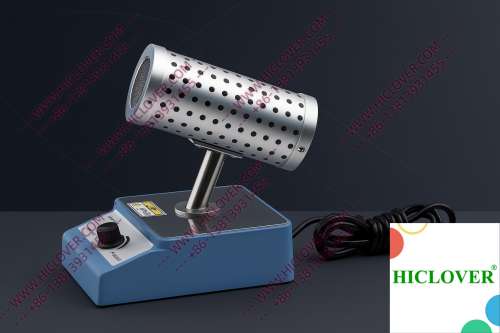
At the heart of micro incinerators lies the principle of infrared heat sterilization. These devices utilize an enclosed ceramic tube that radiates high-temperature infrared energy. Unlike traditional flame sterilizers such as Bunsen burners or alcohol lamps, micro incinerators offer a clean, precise, and safe method for eliminating microbial contamination. The ceramic heating chamber ensures rapid thermal sterilization while minimizing the risk of aerosols and maintaining a contamination-free environment.
This design not only augments the efficiency of sterilization but also renders them particularly suitable for use in sensitive environments, such as biosafety cabinets and clean rooms. By providing a clean-bench-safe environment that is devoid of open flames, micro incinerators mitigate the risk of accidental fires and contamination, making them indispensable in modern laboratory settings.
Key Advantages of Micro Incinerators Over Traditional Flame Sterilizers
- Rapid thermal sterilization reduces wait times and improves workflow efficiency.
- Enclosed design prevents aerosol generation, ensuring a safer workspace.
- High-temperature disinfection without the need for combustible materials.
- Clean-bench-safe functionality aligns with contemporary laboratory safety standards.
Real-World Applications of Micro Incinerators
Micro incinerators have found application in various laboratory scenarios, enhancing safety and efficiency significantly. Here are two notable use cases:
1. Laboratory Use in BSL-2 and BSL-3 Environments
In microbiological laboratories categorized as BSL-2 and BSL-3, the need for stringent biosafety protocols is paramount. Micro incinerators provide an effective and safe method for sterilizing inoculating loops and other tools used in handling pathogenic organisms. By employing infrared technology, researchers can ensure complete sterilization within seconds, reducing the possibility of cross-contamination and preserving the integrity of their research.
2. Teaching Laboratories
In university teaching laboratories, where students engage in hands-on microbiology experiments, micro incinerators serve as an essential educational tool. Their ease of use and safety features allow students to focus on learning without the hazards associated with open flames. The compact design of these devices makes them suitable for diverse lab setups, including field testing labs where portability and reliability are critical.
Regulatory Compliance and Environmental Considerations
When selecting laboratory sterilization equipment, compliance with international biosafety and laboratory sterilization standards is crucial. The World Health Organization (WHO) has established guidelines that underline the importance of maintaining a contamination-free environment in laboratory settings.
Micro incinerators align with these standards by offering an aerosol-free sterilization method, which is particularly crucial in clean rooms where even minute contaminants can lead to significant setbacks. Furthermore, unlike flame sterilizers, they pose no risk of ignition in sensitive areas.
Comparison of Micro Incinerators and Traditional Flame Burners
| Feature | Micro Incinerator | Traditional Flame Sterilizers |
|---|---|---|
| Heat Source | Infrared heat | Open flame |
| Contamination Risk | No aerosols | Higher risk of contamination |
| Safety | Clean-bench-safe | Potential fire hazard |
| Response Time | Instantaneous | Dependent on flame establishing |
FAQs about Micro Incinerators
What is the principle behind how a micro incinerator sterilizes instruments?
A micro incinerator utilizes infrared heat to rapidly elevate the temperature of instruments, immediately sterilizing them without the risk of aerosol generation.
Can micro incinerators be used in field testing labs?
Absolutely! Their portable design makes them ideal for field testing labs where safety and efficiency are essential.
Are micro incinerators compliant with global biosafety standards?
Yes, micro incinerators conform to international biosafety and sterilization standards set forth by organizations such as the WHO.
What are the main benefits of using a micro incinerator over a Bunsen burner?
Micro incinerators offer faster sterilization, reduced contamination risks, and enhanced safety, making them preferable in many laboratory environments.
How do I maintain a micro incinerator?
Regular cleaning of the ceramic heating chamber and checking for any signs of wear will help maintain optimal performance and longevity.
Conclusion
As laboratories in Malaysia strive for heightened biosafety and efficiency, micro incinerators like the Infrared Inoculating Loop Sterilizer stand at the forefront of modern sterilization solutions. Their advanced technology not only meets the rigorous demands of laboratory workflows but also aligns with global biosafety standards, ensuring safer environments for both researchers and the public. For laboratories interested in improving their sterilization processes significantly, now is the time to explore these innovative devices. Contact us to learn more about how micro incinerators can transform your laboratory operations.
Categories:
Tags: