
In modern laboratory settings, particularly those involved in microbiological research or clinical diagnostics, maintaining biosafety and effective sterilization workflows are critical challenges. Traditional sterilization methods, such as alcohol lamps and Bunsen burners, have served their purpose, but they often fall short in efficiency, safety, and compliance. Enter the micro incinerator, a cutting-edge technology designed to tackle these issues head-on.
Overview of Micro Incinerators
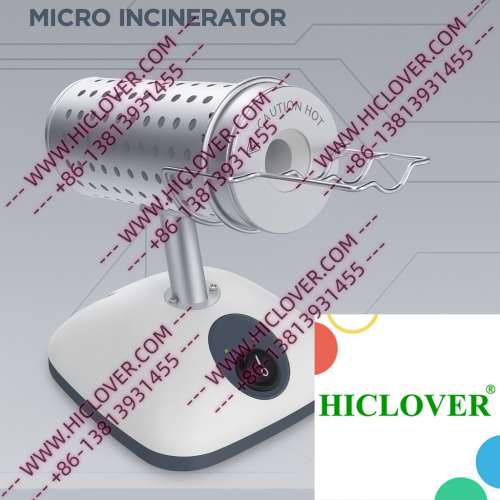
Micro incinerators, such as Infrared Inoculating Loop Sterilizers, capitalize on thermal sterilization principles that provide rapid disinfection without the inherent risks associated with flame-based systems. These devices utilize infrared heat produced in an enclosed ceramic heating chamber, achieving high temperatures for quick and efficient sterilization of tools, loops, and other lab instruments.
Technical Principles and Configuration
At the heart of the micro incinerator is its sophisticated ceramic tube that houses the infrared heating element. This design allows for:
- Rapid Thermal Sterilization: The infrared rays quickly raise the temperature of the sterilizing element, enabling disinfection within seconds.
- Contamination Control: As a clean-bench-safe solution, micro incinerators minimize the risk of aerosol generation, a common hazard with flame sterilizers.
- Ceramic Heating Chamber: This feature ensures a uniform temperature distribution and improves the overall sterilization effectiveness.
- What is a micro incinerator, and how does it work?
A micro incinerator is a compact sterilization device that uses infrared heat to achieve rapid thermal disinfection of lab tools without the use of open flames. - Are micro incinerators safe to use in BSL-2 and BSL-3 labs?
Yes, they provide a safe method for sterilization within controlled environments, minimizing fire hazards and contamination risks. - How do micro incinerators compare to traditional flame sterilizers?
They offer increased safety, faster efficiency, and less aerosol generation compared to flame sterilizers. - Can micro incinerators be used in field testing?
Yes, their compact and portable design makes them suitable for use in mobile or field testing labs. - What maintenance is required for a micro incinerator?
Regular inspection of the heating element and ceramic tube is recommended for optimal performance and longevity.
Applications of Micro Incinerators
The versatility of micro incinerators allows them to be implemented in a variety of applications. Here are two common scenarios:
1. BSL-2 and BSL-3 Microbiology Labs
In biosafety level-2 and level-3 laboratories, the control of pathogens is paramount. Micro incinerators are often located within biosafety cabinets, where they can safely sterilize inoculating loops and instruments without risking contamination. Their aerosol-free handling of instruments significantly reduces the possibility of airborne pathogen spread, ensuring microbiologists can work with confidence.
2. University Teaching Labs
Educational settings that focus on biological sciences benefit from the integration of micro incinerators. These compact units not only serve the purpose of sterilizing tools but also provide a safer alternative for students learning about microbiological techniques. The simplicity of operation and minimal safety risks make them ideal for instructional purposes.
Compliance and Environmental Considerations
Compliance with international biosafety standards is vital for any laboratory equipment. The World Health Organization (WHO) sets rigorous guidelines that laboratories must follow to ensure the safety of both staff and research material. Traditional flame sterilizers can lead to increased risks in cleanrooms because open flames are an ignition hazard. In contrast, micro incinerators comply seamlessly with lab sterilization standards, providing safe operation in clean and controlled environments.
Moreover, the energy consumption of micro incinerators is typically lower than that of traditional flame sterilizers, contributing to a reduced environmental footprint.
Micro Incinerator vs. Flame Burners
To illustrate the advantages of micro incinerators over traditional flame sterilizers, consider the following comparison:
| Feature | Micro Incinerator | Flame Burners |
|---|---|---|
| Temperature Control | Precise and adjustable | Variable and requires monitoring |
| Safety | No open flame, reduced risk of fire | Open flame, high risk of accidents |
| Efficiency | Quick thermal sterilization | Longer heat-up time |
| Portability | Compact design | Often bulky and less portable |
| Aerosol Generation | Minimized risk | Higher risk from flame disturbances |
Frequently Asked Questions
In summary, micro incinerators such as Infrared Inoculating Loop Sterilizers represent a significant advancement in laboratory sterilization technology. Their rapid thermal sterilization capabilities, combined with enhanced safety features, make them an ideal solution for a wide array of applications, from BSL-2 laboratories to university teaching environments. As laboratories continue to strive for biosafety compliance and efficient workflows, the integration of micro incinerators will undoubtedly lead the way in transforming waste and energy challenges.
For laboratories looking to future-proof their sterilization processes, considering a micro incinerator is a wise decision. Contact us today to learn more about how our range of micro incinerators can meet your specific sterilization needs and enhance your lab’s safety and efficiency.
Categories:
Tags: