
As laboratories strive to meet rigorous biosafety standards, the challenges associated with contamination control during sterilization processes have become increasingly paramount. Traditional flame sterilization methods, such as Bunsen burners and alcohol lamps, pose significant risks, especially in environments requiring a high level of contamination control. Micro Incinerators, particularly the Infrared Inoculating Loop Sterilizer, emerge as indispensable tools in enhancing laboratory safety and efficiency. This article delves into the core functionalities, applications, and compliance standards shaping the use of Micro Incinerators in laboratory settings.
The Technical Principle Behind Micro Incinerators
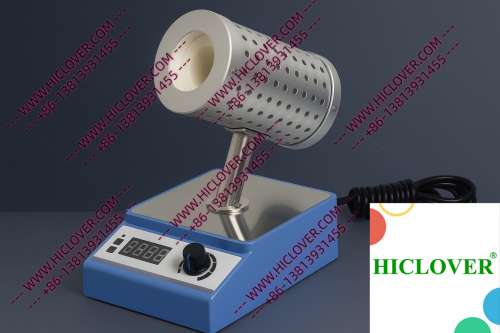
Micro Incinerators operate on the principle of rapid thermal sterilization using infrared radiation. Unlike traditional flame sterilizers, which can expose the work environment to an open flame, Micro Incinerators employ an enclosed ceramic tube that reaches high temperatures, typically between 800 to 1000 degrees Celsius. This design ensures:
- Aerosol-free handling: Reducing contamination risks from airborne pathogens.
- Precise temperature control: Ensuring consistent sterilization for various lab instruments.
- Rapid heating capability: Significantly decreasing downtime during laboratory workflows.
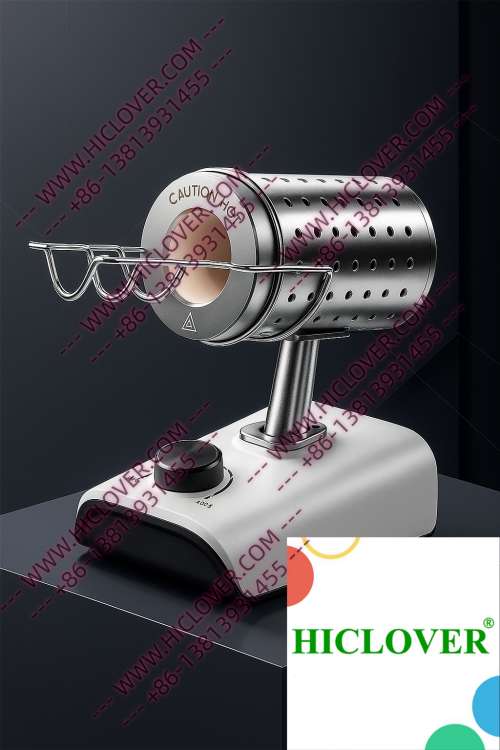
The ceramic heating chamber’s effectiveness in generating infrared heat provides an efficient means to eliminate microbial life, gliding through sterilization with minimal disruption. This technology is not only cleaner but also safer for use in delicate biosafety cabinets and other sensitive environments.
Real Laboratory Applications of Micro Incinerators
Scenario 1: Biosafety Cabinets
In BSL-2 and BSL-3 microbiology laboratories, where the manipulation of pathogenic organisms is routine, the Micro Incinerator is an ideal match for use in biosafety cabinets. When performing microbiological assays, researchers can quickly sterilize inoculating loops without risking fire hazards that flames present. The high temperature generated within the enclosed ceramic tube can efficiently eradicate contaminants between laboratory tasks, ensuring a sterile workspace essential for sensitive experiments.
Scenario 2: University Teaching Labs
Micro Incinerators have also found their place in university teaching labs, where students learn the sterile techniques employed in microbiology and clinical diagnostics. The safety of using a flame-free sterilization method allows instructors to teach crucial procedures without the risks associated with traditional open flames. Additionally, students can confidently practice sterilization techniques, fostering a comprehensive understanding of contamination control and biosafety standards.
Compliance with Biosafety Standards
Adhering to global and national biosafety standards is non-negotiable for any laboratory. Organizations such as the World Health Organization (WHO) emphasize the importance of effective sterilization methods to prevent disease transmission and ensure laboratory safety. Standards like ISO 15189 dictate rigorous laboratory testing and sterilization protocols.
When working in clean rooms or high-containment labs, the absence of open flames is critical. Traditional flame sterilizers not only pose a fire hazard but can also compromise the integrity of sterility in clean environments. Micro Incinerators offer a compliant solution that fits comfortably within global best practices for laboratory biosafety.
Comparative Analysis: Micro Incinerator vs. Traditional Flame Sterilizers
| Feature | Micro Incinerator | Traditional Flame Sterilizer |
|---|---|---|
| Flame Type | Infrared heat | Open flame |
| Safety | Aerosol-free, no fire risk | Inherently risky, fire hazard |
| Efficiency | Rapid heating, consistent results | Variable, dependent on user technique |
| Use in Clean Areas | Yes | No |
| Compliance with Biosafety Standards | High | Moderate |
Frequently Asked Questions
1. What are the advantages of using a Micro Incinerator over traditional sterilization methods?
Micro Incinerators provide a flame-free, aerosol-free option that is safer and more effective for contamination control, ensuring compliance with stringent biosafety standards.
2. Can Micro Incinerators be used in field settings?
Yes, Micro Incinerators are portable and efficient for use in mobile laboratories and field testing environments, allowing for on-the-spot sterilization.
3. How does the temperature control in a Micro Incinerator work?
The enclosed ceramic tube generates infrared heat that can reach temperatures necessary for rapid thermal sterilization, effectively killing microorganisms.
4. Are Micro Incinerators suitable for clinical diagnostics?
Absolutely. They are invaluable in clinical labs where quick and reliable sterilization of tools is necessary to prevent cross-contamination.
5. What maintenance do Micro Incinerators require?
Micro Incinerators typically require minimal maintenance, but periodic cleaning of the ceramic tube and ensuring the electrical connections are intact is recommended.
Conclusion
In summary, the Micro Incinerator stands out as a transformative tool in laboratory sterilization. Its unmatched safety profile, efficiency, and adherence to biosafety compliance reinforce its role in advancing laboratory practices across various sectors, including clinical diagnostics and academic research. Those considering upgrading their sterilization processes should explore the invaluable benefits offered by Micro Incinerators. Reach out today to learn more about how these essential tools can enhance safety and compliance within your laboratory.
Categories:
Tags: